
NEWS
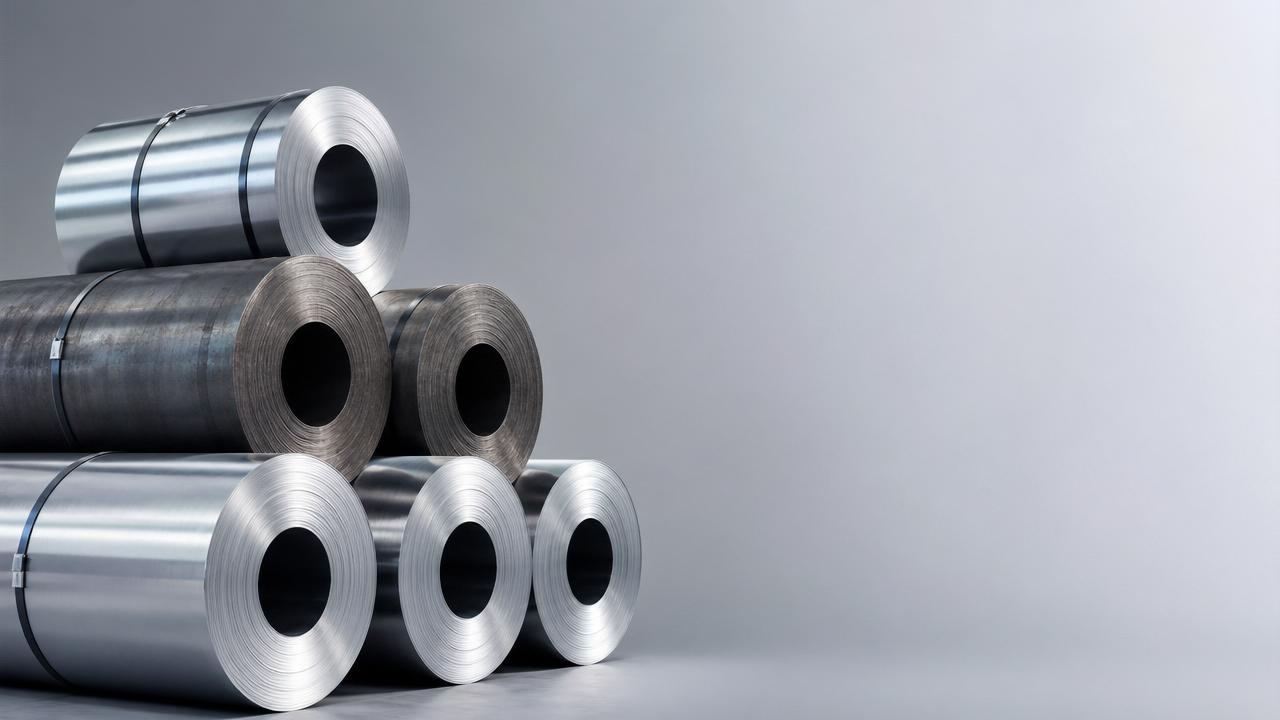
The European Commission formally proposed on 9 May 2026 to revise its steel safeguard measures—doubling the existing import tariff rates for key steel products including hot-rolled coil, cold-rolled sheet, and stainless steel. With implementation scheduled to take effect retroactively from 1 June 2026, this move directly impacts exporters from high-capacity producing countries, particularly Chinese steelmakers and their downstream distribution partners in Europe. Companies engaged in steel trade, compliance, logistics, and supply chain management across the EU–China corridor should closely monitor implications for pricing, origin documentation, delivery scheduling, and alternative sourcing.
Event Overview
On 9 May 2026, the European Commission published a formal proposal to amend the EU’s steel safeguard mechanism. The proposal seeks to increase the current safeguard tariff rates to twice their present level. The scope covers major steel product categories: hot-rolled coil, cold-rolled sheet, and stainless steel. The revised tariffs are intended to apply retroactively from 1 June 2026. No final adoption date has been announced; the proposal remains subject to review by the Council and European Parliament.
Industries Affected
Direct Trading Enterprises
Exporters and importers handling EU-bound steel shipments face immediate margin pressure. The proposed tariff hike affects landed cost calculations, contract renegotiation timelines, and quotation validity windows—especially for orders placed before but delivered after 1 June 2026. Retroactive application increases exposure for pending shipments booked under pre-proposal terms.
Supply Chain & Distribution Operators
European distributors of Chinese-origin steel must reassess inventory valuation, forward purchase commitments, and customer pricing models over the next 3–6 months. Tighter origin verification requirements may delay customs clearance, affecting warehouse turnover and just-in-time replenishment cycles.
Manufacturing & Processing Firms
Downstream processors (e.g., tube mills, stamping facilities) relying on imported Chinese steel as raw material will encounter higher input costs and potential delays in certificate-of-origin validation. This may trigger recalibration of bill-of-materials costing and supplier diversification reviews.
Compliance & Certification Service Providers
Third-party verification bodies and customs consultants face rising demand for pre-shipment origin audits, mill test report authentication, and tariff classification support. Increased scrutiny on traceability documentation—including production batch records and export licensing—may extend lead times for certification issuance.
Key Considerations and Recommended Actions
Monitor Official Legislative Progress Closely
The proposal is not yet law. Track developments via the European Commission’s Trade Policy Portal and official OJ C-series publications. Pay attention to whether the Council proposes amendments or introduces transitional provisions—particularly regarding the retroactive start date.
Assess Exposure by Product Category and Shipment Timing
Identify which SKUs (e.g., specific EN 10130 cold-rolled grades or EN 10088 stainless classifications) fall within the safeguard scope. Prioritize review of contracts with delivery windows spanning late May to mid-July 2026, where tariff applicability hinges on actual customs release date—not invoice or shipment date.
Distinguish Between Policy Signal and Enforceable Requirement
The proposal signals intensified trade policy scrutiny on steel imports but does not constitute binding regulation. Avoid premature operational shifts (e.g., canceling orders or switching suppliers) until the legal text is adopted and published in the Official Journal of the European Union.
Prepare Documentation and Communication Protocols Now
Update internal checklists for origin evidence: ensure mill test reports include full production batch IDs, furnace numbers, and heat treatment logs. Notify EU customers proactively about potential cost adjustments and extended lead times post-1 June—framing changes as regulatory contingency, not commercial discretion.
Editorial Perspective / Industry Observation
Observably, this proposal functions primarily as a policy signal rather than an immediate operational constraint. It reflects growing institutional concern over structural overcapacity in global steel markets—and the EU’s preference for calibrated, instrument-based trade defense over broad-based restrictions. Analysis shows that while the tariff multiplier is unprecedented in scale, its ultimate impact depends heavily on whether exemptions (e.g., for value-added processed goods or small-volume consignments) survive the legislative process. From an industry perspective, the timing—coinciding with ongoing WTO steel capacity talks—suggests coordination with broader multilateral engagement, not unilateral escalation. Current attention should focus less on the headline rate and more on procedural thresholds: how origin verification will be enforced, what evidentiary burden applies to exporters, and whether administrative appeals mechanisms remain accessible.
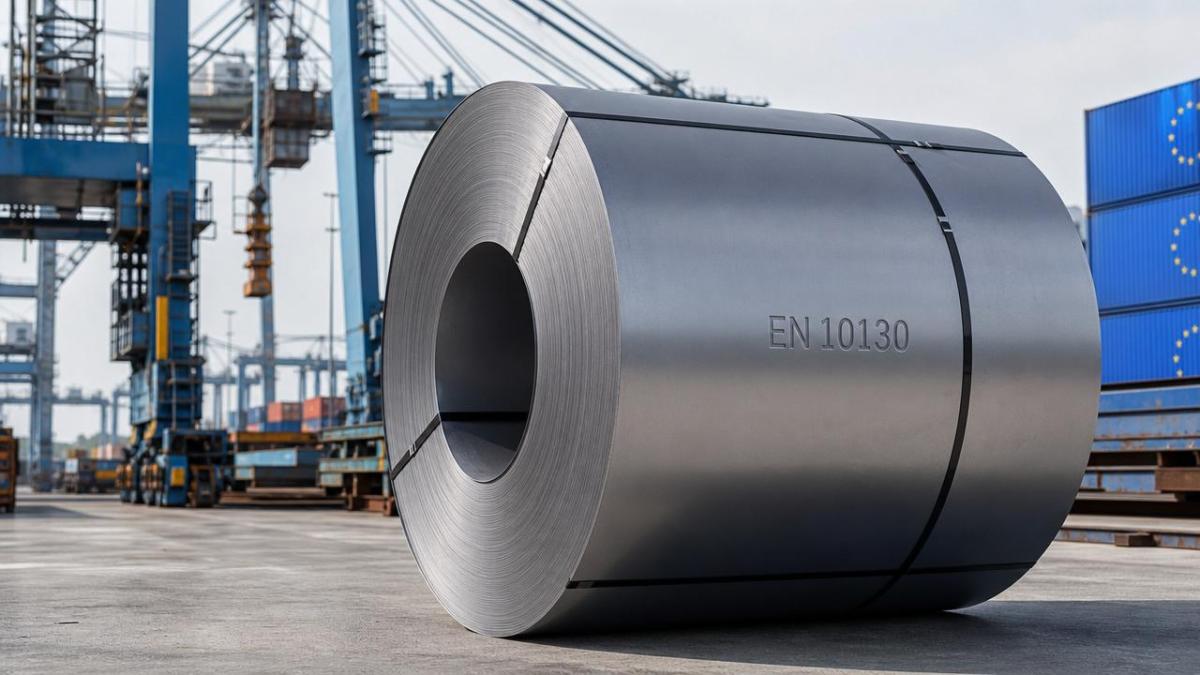
In summary, the EU’s proposed steel tariff revision represents a significant regulatory inflection point—not a finalized cost imposition. Its primary near-term significance lies in reshaping negotiation dynamics, accelerating compliance readiness, and prompting early scenario planning for sourcing alternatives. It is better understood as a calibrated policy lever under active deliberation, rather than an irreversible market barrier.
Source: European Commission Press Release IP/26/2145 (9 May 2026); Proposal for a Regulation amending Regulation (EU) 2019/1596 (COM(2026) 227 final). Note: Adoption status and final tariff levels remain pending Council and Parliament approval; ongoing monitoring is advised.
NEWS NAVIGATION
CONTACT US