
NEWS
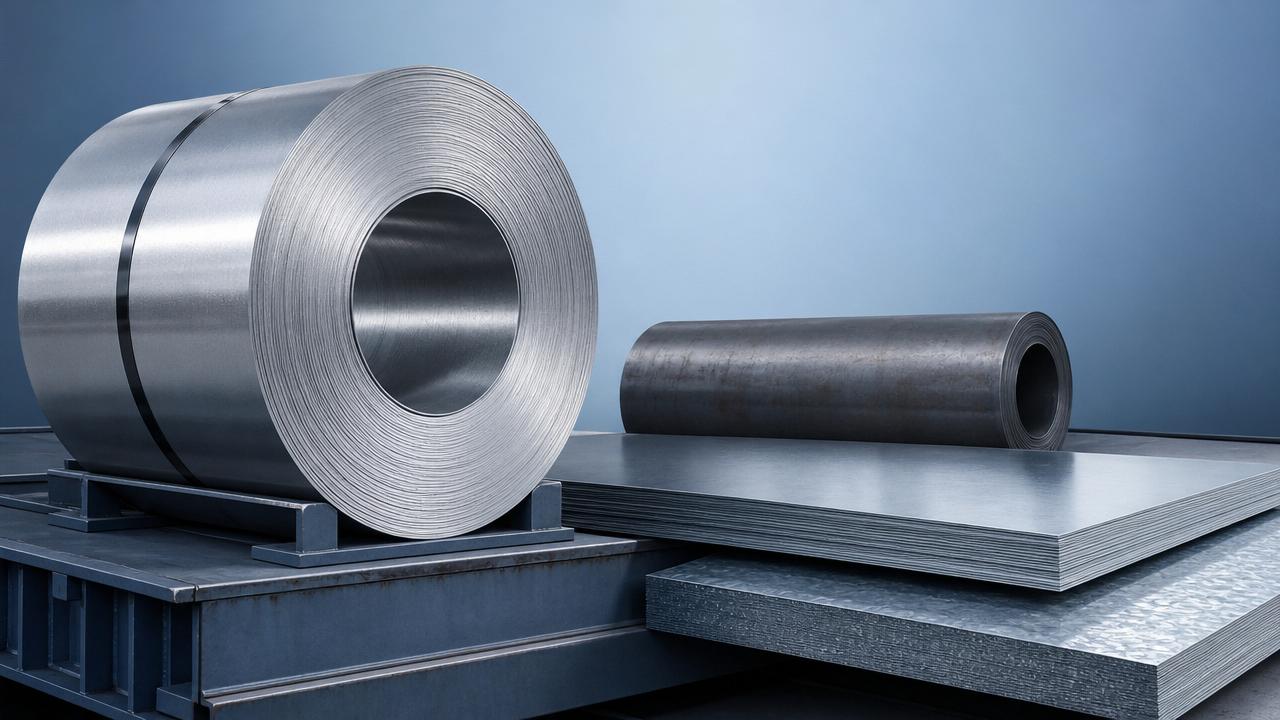
On April 15, 2026, the European Commission formally proposed a regulatory amendment to double import duties on certain non-EU steel products — a move poised to reshape trade dynamics for global exporters, particularly those in China. Citing concerns over ‘market distortion’ and disparities in carbon footprint, the proposal targets key structural and flat-rolled steel categories widely exported from Asia, with direct implications for pricing, compliance, and contractual frameworks across the EU-bound supply chain.
Event Overview
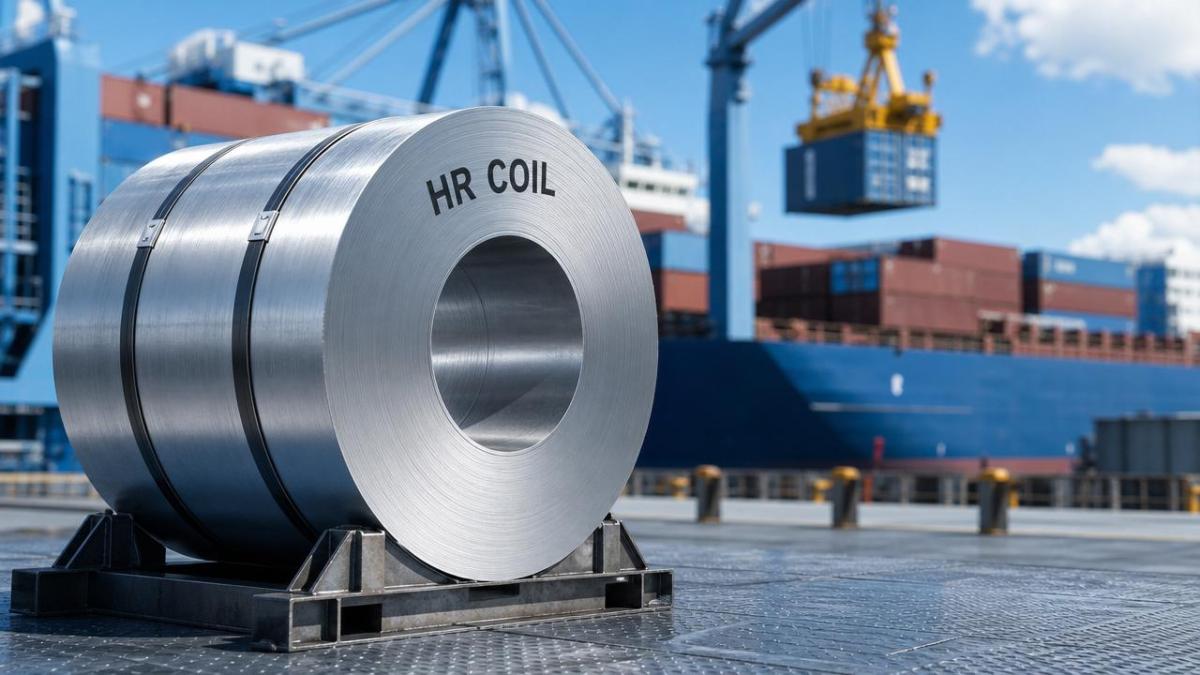
On April 15, 2026, the European Commission published a legislative proposal to increase import tariffs on selected steel products originating outside the European Union to twice their current rates. The targeted products include hot-rolled coils, cold-rolled sheets, and galvanized steel sheets. The measure is framed as a response to alleged market distortions and inconsistencies in lifecycle carbon emissions. The proposal is scheduled to enter formal legislative scrutiny in Q3 2026.
Industries Affected
Direct Export Trading Firms: Chinese steel exporters face immediate margin pressure due to tariff-driven price uplifts. Beyond landed cost increases, they must now substantiate origin and production emissions data to meet EU Carbon Border Adjustment Mechanism (CBAM)-aligned verification requirements — adding administrative burden and potential delays in customs clearance.
Raw Material Procurement Entities: Downstream buyers sourcing slabs, billets, or scrap from Chinese mills may encounter revised quotation terms or extended lead times, especially if exporters shift production toward domestic or ASEAN markets to avoid EU duties. Procurement strategies reliant on just-in-time delivery could face recalibration.
Steel Processing & Fabrication Manufacturers: EU-based fabricators importing semi-finished Chinese steel (e.g., pickled coils for further cold rolling) may need to renegotiate long-term supply agreements or seek alternative suppliers. Cost pass-through mechanisms — previously stable — are now subject to contractual re-examination amid tariff uncertainty.
Supply Chain Service Providers: Logistics firms, customs brokers, and certification bodies face heightened demand for CBAM-related documentation support, origin attestation, and tariff classification advisory services. This may accelerate consolidation among mid-tier compliance service providers unable to scale verification capacity rapidly.
Key Considerations and Recommended Actions
Review Origin Documentation Protocols
Exporters should audit existing bills of materials, smelting records, and energy source disclosures to ensure traceability aligns with anticipated EU CBAM Annex III reporting templates — not only for tariff eligibility but also for future carbon levy exposure.
Reassess Contractual Force Majeure and Price Adjustment Clauses
Sales contracts with EU distributors should be reviewed for tariff-triggered renegotiation rights, delivery suspension provisions, and liability allocation in case of customs rejection due to incomplete carbon declarations.
Evaluate Regional Sourcing Alternatives
While full relocation is impractical short-term, companies may explore hybrid models — e.g., finishing operations in Turkey or Serbia under EU association agreements — to retain access while mitigating tariff impact on finished goods.
Editorial Perspective / Industry Observation
Analysis shows this proposal is less a standalone trade barrier and more a calibrated extension of the EU’s broader industrial decarbonization architecture. Observably, the targeting of hot-rolled, cold-rolled, and galvanized products — all high-volume, energy-intensive categories — signals alignment with CBAM’s Phase II expansion timeline. From an industry perspective, the timing suggests strategic synchronization with upcoming revisions to the EU Emissions Trading System (EU ETS) free allocation rules. Current more critical than tariff arithmetic is the precedent it sets: linking trade policy directly to upstream process-level emissions data — a threshold many non-EU producers have yet to operationalize at scale.
Conclusion
This proposal does not represent an isolated tariff adjustment but rather a structural inflection point in how climate policy increasingly governs cross-border steel trade. For Chinese exporters, the challenge lies not only in absorbing cost but in transforming compliance from a customs checkpoint into an embedded, auditable component of production governance. A rational reading suggests that resilience will accrue less to those who optimize tariffs alone, and more to those who integrate carbon accounting, material traceability, and contract agility into core operational systems.
Source Attribution
European Commission Legislative Proposal COM(2026) 247 final, published April 15, 2026. Official Journal reference pending. Further details expected during the Committee on International Trade (INTA) hearing in June 2026. Ongoing monitoring advised for final tariff schedules, CBAM steel sector inclusion timelines, and possible WTO dispute developments.
NEWS NAVIGATION
CONTACT US