
NEWS
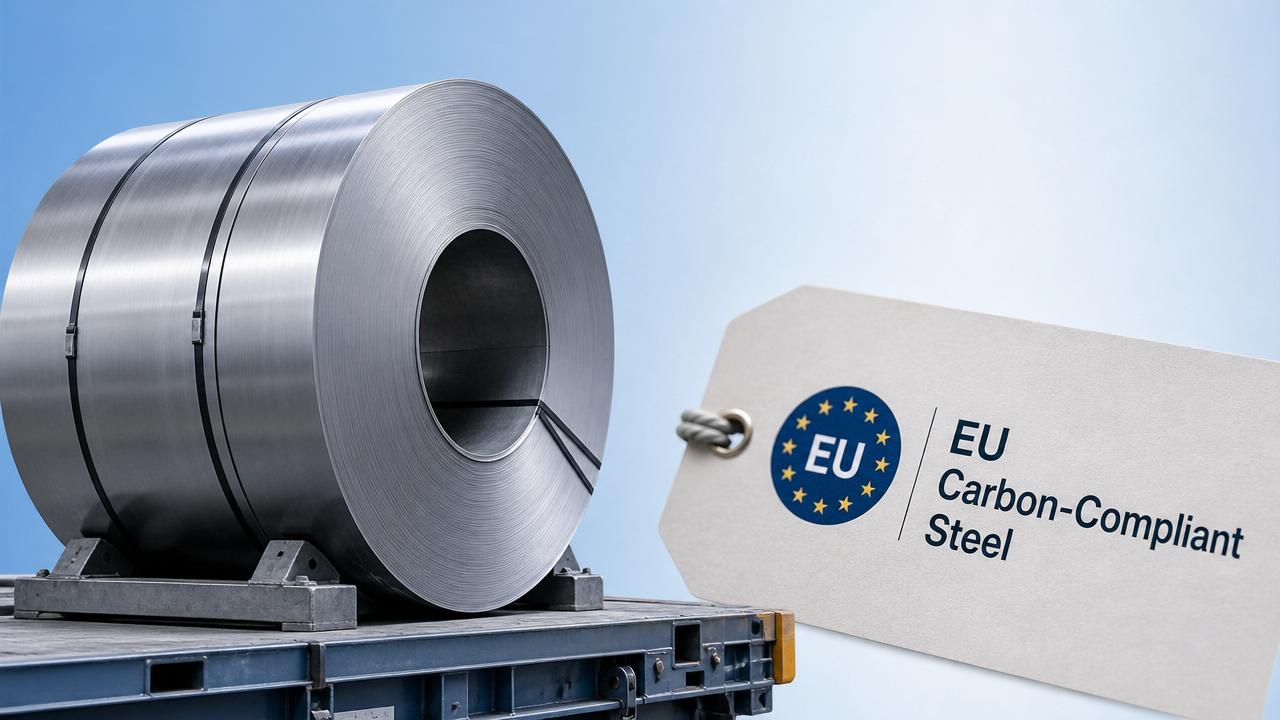
On May 14, 2026, the European Commission confirmed its decision to impose safeguard tariffs on non-EU-origin steel products—potentially doubling existing rates. The move targets key export categories from China and other third countries, introducing new compliance obligations tied to carbon transparency and supply chain traceability. This policy shift directly affects global steel trade dynamics, especially for exporters reliant on EU market access.
Event Overview
The European Commission formally reaffirmed on May 14, 2026, its plan to apply enhanced safeguard tariffs on non-EU steel imports, with rates potentially reaching twice current levels. The measures—scheduled to enter force in phases starting June 2026—cover hot-rolled coils, cold-rolled sheets, stainless steel, and H-beams. Importers into the EU will be required to submit verified carbon footprint declarations and origin-traceability documentation prior to customs clearance.
Industries Affected
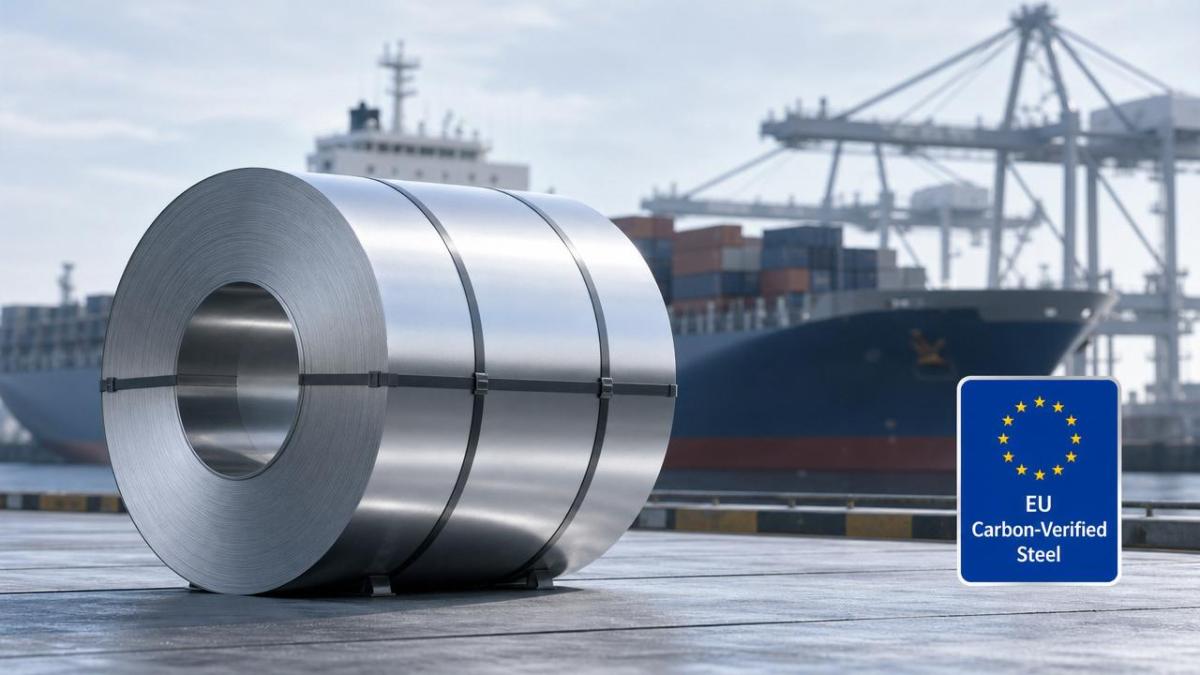
Direct Trading Enterprises: Export-oriented steel traders face immediate pressure on pricing, delivery timelines, and certification readiness. The dual requirement of carbon reporting and origin verification adds administrative overhead and extends pre-shipment lead times—particularly for firms lacking internal environmental data systems or third-party verification partnerships.
Raw Material Procurement Firms: Companies sourcing iron ore, scrap, or alloying elements for export-bound production must now assess upstream carbon intensity. Suppliers without ISO 14067-compliant footprint data—or those unable to map emissions across mining, transport, and smelting stages—may become non-viable inputs under EU due diligence rules.
Processing & Manufacturing Entities: Downstream fabricators (e.g., pipe mills, structural component makers) relying on imported semi-finished steel may encounter cost pass-throughs, contract renegotiation risks, and inventory planning uncertainty. Their ability to absorb tariff hikes depends on product differentiation, EU client leverage, and flexibility in alternative sourcing—including domestic or ASEAN-sourced intermediates.
Supply Chain Service Providers: Customs brokers, classification consultants, and carbon verification agencies are seeing rising demand for integrated support—spanning HS code validation, CBAM-aligned carbon accounting, and blockchain-enabled traceability audits. However, capacity constraints and fragmented standards across certification bodies pose scalability challenges.
Key Focus Areas & Recommended Actions
Verify Carbon Footprint Documentation Readiness
Exporters should audit whether their current environmental product declarations (EPDs) meet EN 15804 or ISO 14040/14067 requirements—and confirm whether third-party verification is recognized by EU-accredited bodies. Gaps here risk shipment delays or rejection at EU ports.
Map and Certify Origin Traceability Chains
Firms must document material flows from mine to mill to finished goods, including subcontracted processing steps. Digital traceability platforms (e.g., based on GS1 or IDA standards) are increasingly preferred over paper-based affidavits for audit resilience.
Reassess Pricing Models and Contract Terms
Given the phased implementation, forward-looking contracts should include tariff adjustment clauses, carbon-cost allocation mechanisms, and revised Incoterms (e.g., shifting from FOB to CIP to clarify responsibility for compliance documentation).
Editorial Perspective / Industry Observation
Analysis shows this is not merely a tariff escalation but a strategic calibration of the EU’s broader industrial decarbonization agenda—linking trade policy to the Carbon Border Adjustment Mechanism (CBAM) framework. Observably, the timing aligns with upcoming CBAM expansion into downstream steel products in 2027, suggesting the safeguard measure serves as both a compliance stress test and a de facto early enforcement layer. From an industry perspective, the emphasis on verifiable carbon data—not just declared values—marks a shift toward operational accountability over self-reporting. Current more critical than tariff rate alone is the enforceability threshold for documentation quality and audit frequency.
Conclusion
This development underscores how climate-linked trade instruments are evolving from policy proposals into tangible commercial constraints. For Chinese steel stakeholders, the challenge is less about short-term margin compression and more about embedding carbon-aware governance into core procurement, production, and logistics systems. A measured, evidence-based response—not reactive cost-shifting—will define competitive positioning in regulated markets over the next five years.
Source Attribution
Official announcement: European Commission Press Release IP/26/2417 (May 14, 2026); Annex II to Regulation (EU) 2023/1930 (as amended); CBAM Transitional Reporting Guidelines v3.1 (April 2026). Note: Final tariff rates, effective dates per product category, and approved verification schemes remain subject to formal adoption by the Council and Parliament—monitor updates through the EU Official Journal and DG TAXUD notifications.
NEWS NAVIGATION
CONTACT US