
NEWS
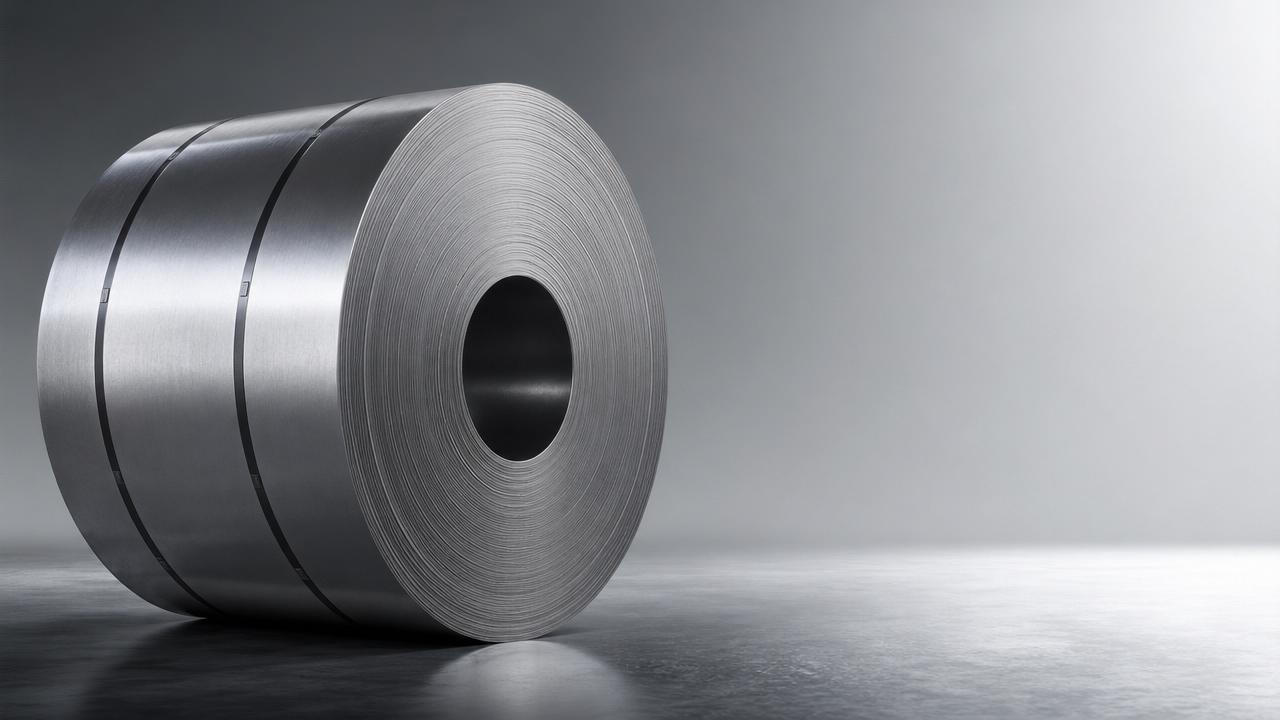
On May 18, 2026, the European Commission formally published a policy draft proposing to double safeguard tariffs on steel imports from non-EU countries. Citing concerns over ‘market distortion’ and global overcapacity, the move targets key export segments from China—including hot-rolled coils, cold-rolled sheets, and galvanized products—and signals a tightening regulatory environment for international steel trade.
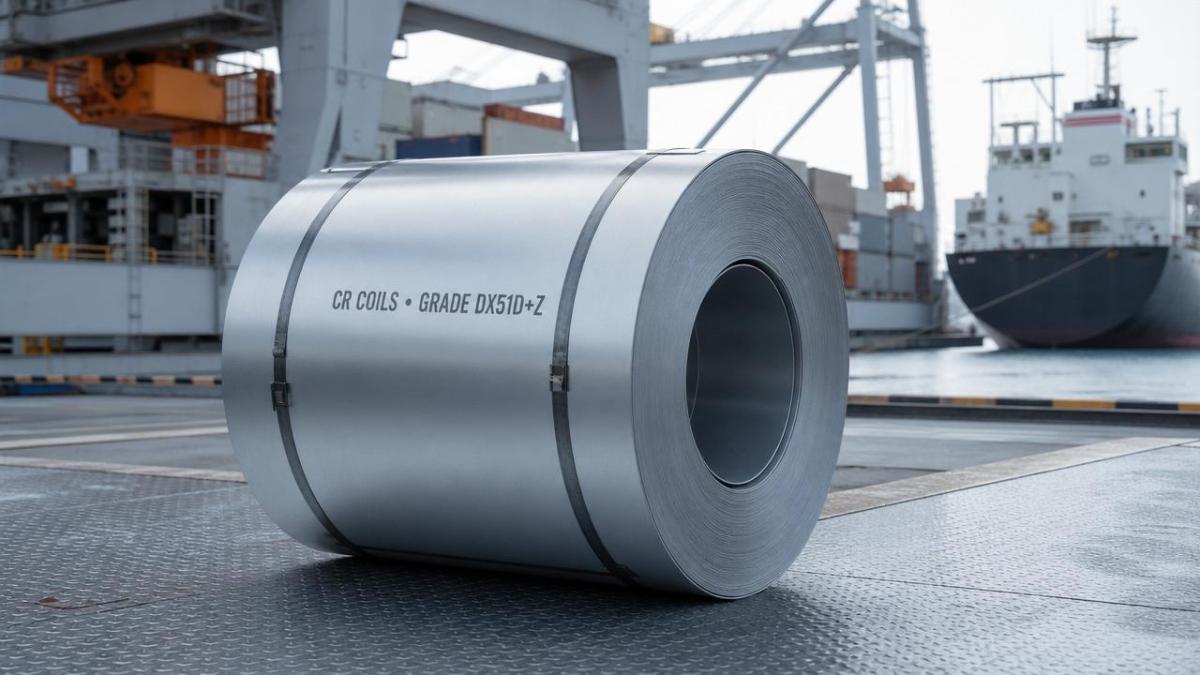
Event Overview
The European Commission released the draft regulation on May 18, 2026. It proposes raising existing safeguard duties on selected steel products imported from third countries to twice their current rates. The measure remains subject to consultation and formal adoption procedures; no implementation date has been set.
Industries Affected
Direct Exporters
Chinese steel exporters face immediate cost pressure: tariff hikes would raise landed prices in EU markets by up to 100% for affected product categories. This directly impacts competitiveness, order conversion rates, and margin sustainability—particularly for firms relying on price-sensitive distribution channels or operating with narrow export margins.
Raw Material Procurement Firms
Companies sourcing iron ore, scrap, or alloying elements for EU-bound shipments must now reassess input cost allocation models. Higher tariffs may trigger downstream renegotiation of supply contracts, especially where pricing clauses reference landed duty-paid (DDP) terms. Additionally, compliance-related documentation (e.g., origin verification, traceability records) becomes more critical to avoid customs delays or reclassification risks.
Downstream Processing Manufacturers
EU-based fabricators and converters using imported Chinese steel—such as those producing automotive stampings or construction components—may face supply chain interruptions or higher input costs. Some may accelerate dual-sourcing strategies or shift procurement toward domestic or nearby suppliers, reshaping regional sourcing patterns over time.
Logistics & Trade Compliance Service Providers
Certification bodies, customs brokers, and carbon data verifiers are seeing rising demand for services related to origin validation, environmental product declarations (EPDs), and EU Carbon Border Adjustment Mechanism (CBAM)-aligned reporting. Their role is evolving from administrative support to strategic advisory—especially where tariff eligibility hinges on verified carbon intensity or production process transparency.
Key Focus Areas and Recommended Actions
Review Origin Documentation Rigorously
Under heightened scrutiny, exporters must ensure full alignment between commercial invoices, mill test reports, and preferential origin claims. Misalignment—even in minor details such as furnace batch numbering or heat treatment logs—could trigger tariff reclassification or post-clearance audits.
Assess Carbon Footprint Disclosure Readiness
While not yet mandatory under this tariff proposal, the Commission explicitly links ‘market distortion’ concerns to environmental performance. Firms preparing EPDs or ISO 14040-compliant life cycle assessments now gain competitive advantage—not only for CBAM but also for tariff exemption pathways under future reviews.
Evaluate Pricing and Contract Flexibility
Exporters should revise Incoterms usage—shifting from DDP to DAP or CIF where feasible—to clarify tariff liability allocation. Concurrently, contractual force majeure and price adjustment clauses require updating to reflect potential regulatory volatility beyond standard exchange rate or freight fluctuations.
Editorial Insight / Industry Observation
Analysis shows this proposal is less about immediate revenue generation and more about signaling regulatory intent ahead of broader WTO reform negotiations. Observably, the timing coincides with intensified EU discussions on industrial resilience and critical raw material autonomy. From an industry perspective, the doubling mechanism appears calibrated to provoke structured engagement—not unilateral exclusion—suggesting that responsive compliance (e.g., verified decarbonization efforts, transparent value-chain mapping) may open avenues for differentiated treatment in final rules.
Conclusion
This development underscores a structural shift: trade policy is increasingly interwoven with environmental governance and supply chain sovereignty objectives. For global steel stakeholders, it marks a transition from tariff arbitrage to regulatory fluency—where operational transparency, data integrity, and cross-border certification capability matter as much as metallurgical quality or delivery reliability.
Source Attribution
European Commission Press Release (IP/26/2147), May 18, 2026; Draft Regulation COM(2026) 291 final. Official consultation period runs until August 31, 2026. Final adoption status, product scope adjustments, and potential exemptions remain subject to ongoing review.
NEWS NAVIGATION
CONTACT US