
NEWS
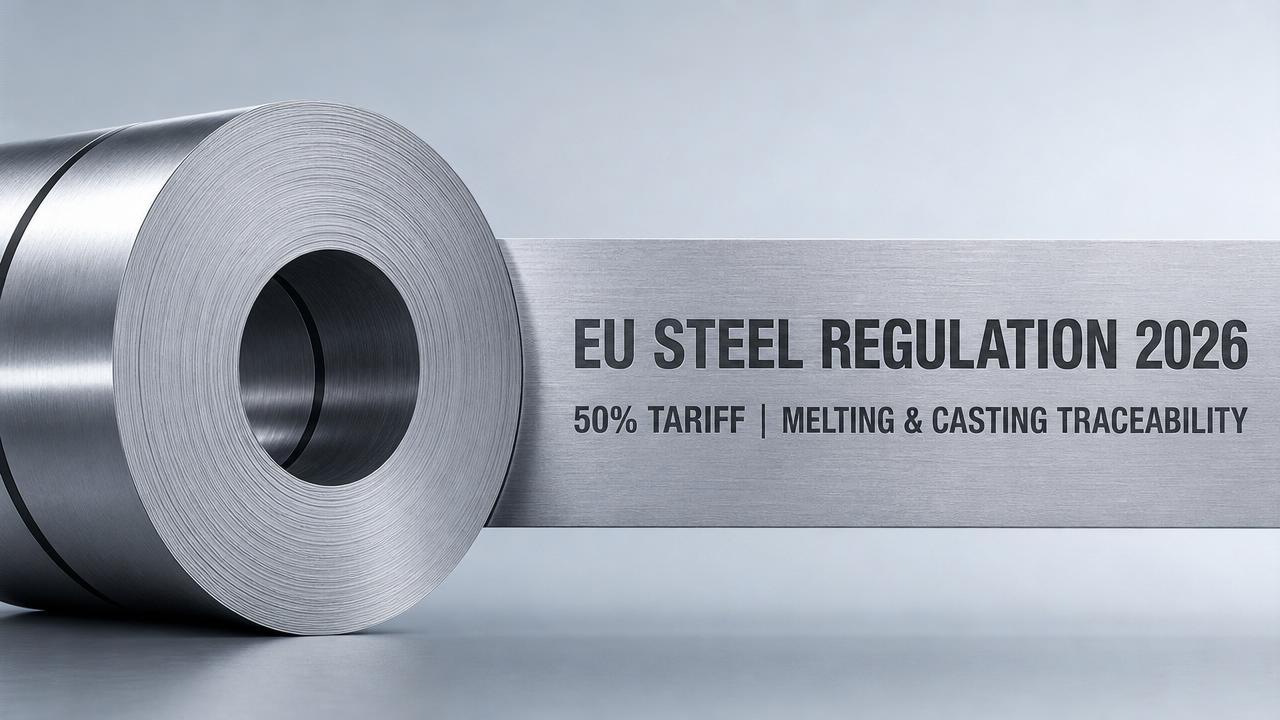
EU Steel Import Rules Slash Quotas, Hike Tariffs to 50%
On 19 May 2026, the European Parliament adopted the EU’s strictest steel import control legislation to date — a regulatory shift set to take effect on 1 July 2026. The new rules significantly tighten market access for non-EU steel exporters, triggering immediate strategic recalibrations across global supply chains serving the European steel market.
Event Overview
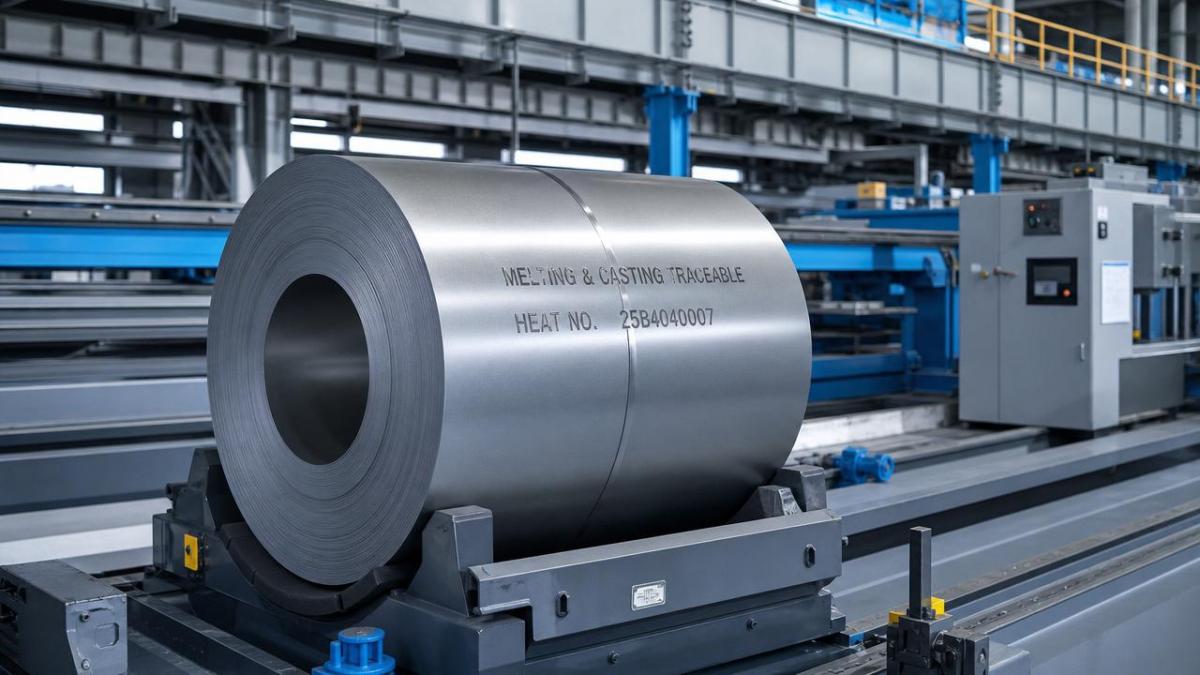
On 19 May 2026, the European Parliament approved the steel import regulation with 606 votes in favour. The measure enters into force on 1 July 2026. It reduces the duty-free import quota from 33 million tonnes to 18.3 million tonnes — a 47% cut. For volumes exceeding the quota, the tariff rises from 25% to 50%. Additionally, the regulation introduces mandatory ‘melting and casting’ origin tracing — a first-of-its-kind requirement designed to prevent circumvention via third-country transshipment.
Industries Affected
Direct Trading Enterprises
Exporters and international trading firms supplying steel products to the EU face direct margin compression and operational complexity. The quota reduction forces prioritisation of high-value shipments, while the 50% over-quota tariff renders many mid-tier product lines economically unviable. Moreover, compliance with the new ‘melting and casting’ origin documentation adds lead time and verification costs — affecting quotation validity, order acceptance windows, and contractual liability clauses.
Raw Material Procurement Enterprises
Companies sourcing semi-finished or primary steel (e.g., slabs, billets, blooms) for onward export or regional processing must now verify upstream production records down to furnace-level data. This shifts procurement due diligence from country-of-export to process-level provenance — increasing supplier vetting cycles and raising risks of shipment rejection if traceability gaps emerge.
Processing & Manufacturing Enterprises
Downstream fabricators — including structural steel fabricators, pipe mills, and cold-rolled coil processors — may encounter delayed material arrivals and inconsistent lot availability due to tighter quota allocation and extended customs verification. Contractual delivery timelines and just-in-time scheduling become harder to guarantee, prompting revisions to customer service level agreements and inventory buffer strategies.
Supply Chain Service Providers
Freight forwarders, customs brokers, and certification bodies must adapt documentation workflows to accommodate the new origin tracing mandate. Pre-shipment verification protocols, digital certificate templates, and cross-border audit readiness are now critical service offerings — not optional enhancements. Firms lacking integration with metallurgical production data systems risk losing competitiveness in EU-bound logistics support.
Key Focus Areas and Response Measures
Reassess Quota Allocation Priorities
Exporters should map product portfolios against historical EU import data and allocate remaining quota to highest-margin, lowest-compliance-risk items — particularly those where full melting-and-casting records are already digitised and auditable.
Upgrade Origin Documentation Infrastructure
Firms must formalise traceability systems linking final product batches to furnace numbers, heat IDs, and casting logs. Integration with ERP or MES platforms is advisable; standalone paper-based affidavits will likely fail scrutiny under the new regime.
Negotiate Revised Incoterms and Liability Clauses
Contracts with EU buyers should explicitly assign responsibility for origin verification, define penalties for customs delays caused by incomplete documentation, and clarify whether tariffs apply at shipment or arrival — given the potential for retroactive quota exhaustion assessments.
Engage Proactively with EU Customs Authorities
Early submission of pilot documentation packages — especially for complex multi-stage processed goods — can help identify interpretation ambiguities before commercial deployment. Several Member States have announced pre-clearance consultation windows ahead of 1 July.
Editorial Perspective / Industry Observation
Analysis shows this regulation marks a structural pivot — not a cyclical trade adjustment. The inclusion of ‘melting and casting’ as a legal origin criterion signals a move toward process-based protectionism, shifting competitive advantage toward producers with vertically integrated, digitally traceable operations. Observably, the policy targets not only volume but verifiability — suggesting future expansions to aluminium, stainless, or even downstream fabricated goods are plausible. From an industry perspective, this is less about tariff escalation and more about raising the barrier to entry for transparency and operational discipline.
Conclusion
The new EU steel import framework redefines competitiveness in the transatlantic steel trade — privileging traceability, predictability, and procedural rigour over cost alone. While short-term disruption is inevitable, longer-term winners will be those who treat compliance not as a cost centre, but as a differentiator in quality assurance and supply chain resilience.
Source Attribution
Official text published in the Official Journal of the European Union (C/2026/312), adopted under Regulation (EU) 2026/XXX. Supporting technical guidelines issued by the European Commission Directorate-General for Taxation and Customs Union (TAXUD), dated 15 May 2026. Note: Implementation guidance on ‘melting and casting’ verification methodology remains pending — subject to national customs authority interpretation and expected updates through June 2026.
NEWS NAVIGATION
CONTACT US