
NEWS
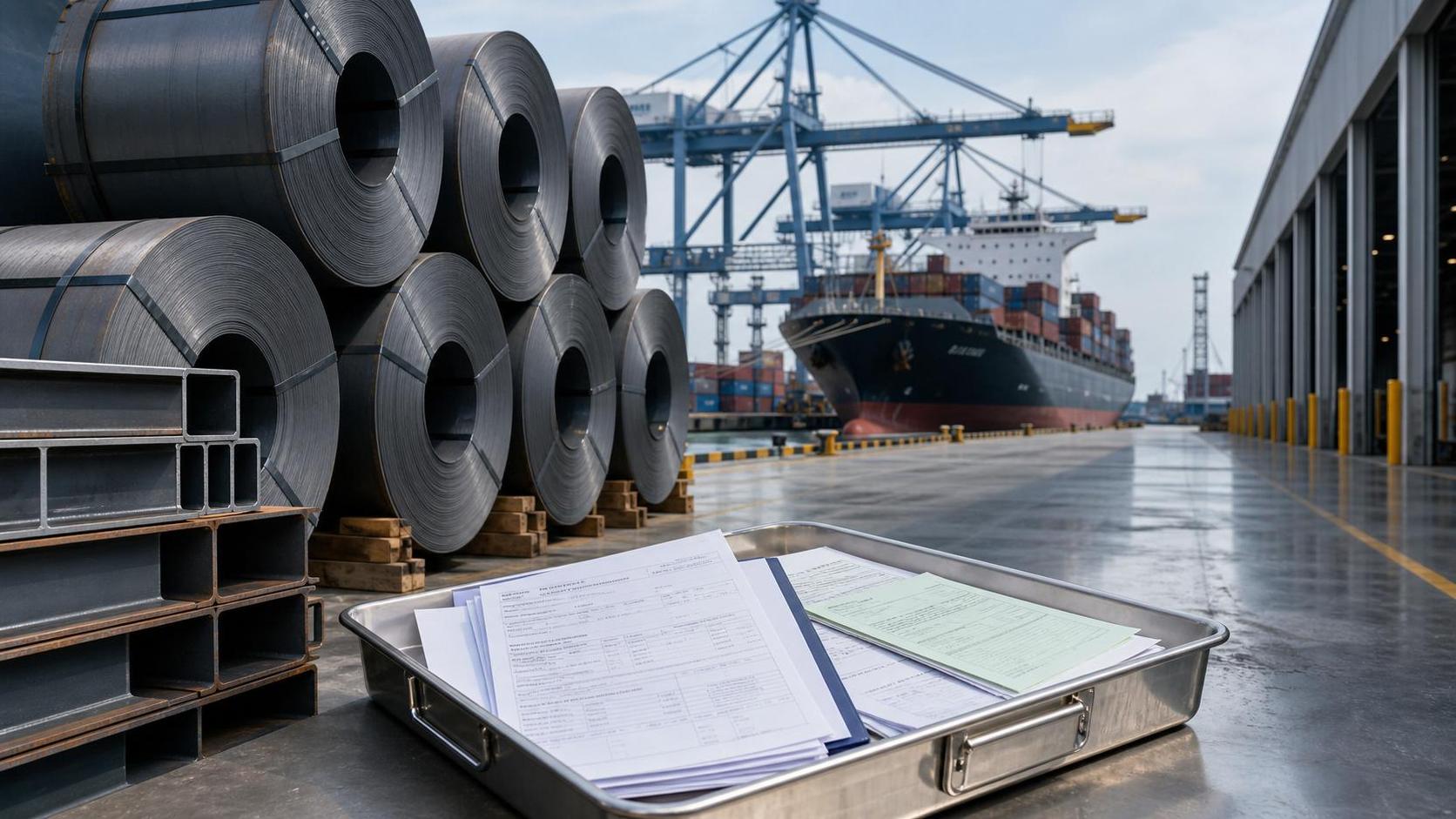
On July 1, 2026, the UK is set to implement revised steel import controls that reduce annual duty-free quotas, raise minimum price thresholds, and add carbon compliance declaration requirements. For steel exporters, distributors, customs-related service providers, and industrial buyers, this matters because it changes not only market access conditions but also the cost and documentation logic tied to steel trade into the UK, especially for lower value-added categories facing more direct pressure.
What the new UK rules formally change
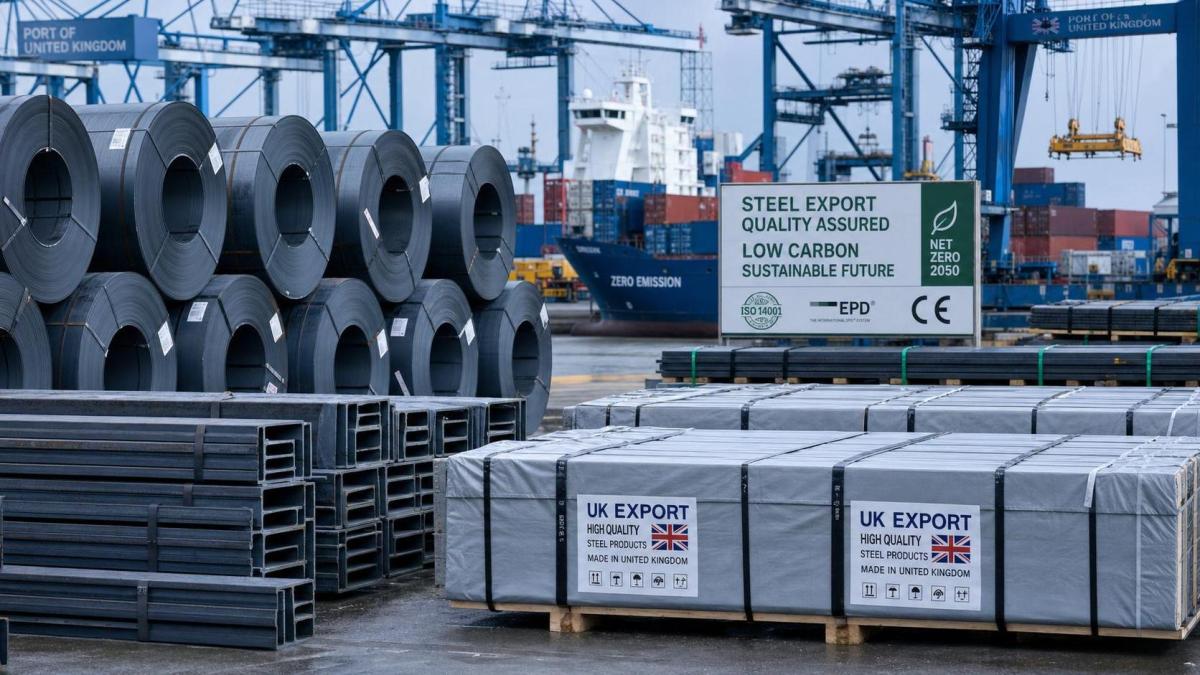
According to the provided information, the UK government announced that the new steel import control measures will take effect on July 1, 2026. The confirmed elements include a significant reduction in annual duty-free import quotas, a higher minimum price threshold, and a new requirement for carbon compliance declarations. The policy directly affects the structure of China’s steel exports to the UK, with hot-rolled coils and section steel among the product groups facing tighter access conditions. The information provided also indicates that the new rules interact with the EU’s CBAM, creating additional implications for overseas distributors reviewing sourcing routes and customs clearance costs.
Where pressure may appear across the supply chain
Exporters may face narrower entry conditions
From an industry perspective, direct trading companies shipping steel into the UK may be affected first because the combination of lower duty-free quotas and higher minimum price thresholds can make lower value-added products less competitive or more difficult to place. The main pressure points are likely to appear in product mix decisions, quote structures, and shipment planning for categories such as hot-rolled coils and section steel.
Distributors may need to reassess route economics
Analysis shows that overseas distributors are among the most exposed business roles in this development. The stated linkage with the EU’s CBAM suggests that sourcing decisions may no longer be judged only on product price, but also on compliance handling and border-related cost considerations. What deserves closer attention is the possibility that procurement routes and customs clearance assumptions will need to be recalculated before orders are finalized.
Supply chain and customs service providers may see documentation risk rise
For logistics, customs, and related supply chain service providers, the new carbon compliance declaration requirement introduces an additional operational checkpoint. Even without further details in the provided information, the confirmed change indicates that document readiness, filing consistency, and clearance coordination may become more sensitive parts of execution.
Industrial buyers may need closer coordination with suppliers
Buyers using imported steel in downstream production are not identified as direct policy targets in the provided information, but they may still be affected through supply availability, pricing structure, and delivery planning. Observably, any supplier exposed to UK entry restrictions may need to renegotiate specifications, shipment timing, or commercial terms with customers.
What companies should watch now
Track how the policy language is applied in practice
Analysis shows that the headline policy direction is already clear, but companies should distinguish between the announced framework and the way it is implemented in real transactions. The most immediate task is to monitor whether there are further official clarifications on quota administration, price threshold application, and carbon declaration procedures.
Review exposure in affected steel categories
What deserves closer attention is product-level exposure, especially in categories specifically noted in the provided information, including hot-rolled coils and section steel. Businesses involved in these segments may need to recheck whether current contracts, sales plans, or stocking strategies still align with the UK market entry environment after July 1, 2026.
Prepare compliance documents earlier in the transaction cycle
Because carbon compliance declarations are being added as a formal requirement, companies should pay close attention to whether supplier documents, customs paperwork, and internal product records can support smooth submission and clearance. This is less about general management and more about reducing execution friction at the shipment stage.
Revisit customer communication and delivery planning
For firms serving UK-bound orders, practical attention should also go to delivery schedules, quotation validity, and customer communication. Observably, where procurement routes or clearance costs are likely to change, the timing of order confirmation and the allocation of compliance responsibilities may become more commercially sensitive.
Why this looks like more than a short-term adjustment
As an editorial observation, this development is more appropriate to understand as both an immediate trade rule change and a longer-term policy signal. The immediate effect comes from the July 1, 2026 implementation date and the concrete changes to quotas, pricing thresholds, and carbon declarations. At the same time, the stated interaction with the EU’s CBAM suggests that steel trade into Europe-related markets is being shaped not only by volume controls but also by carbon-linked compliance logic. That does not by itself confirm a final market outcome, but it does indicate that companies should not treat this as a routine customs update.
How the market may best read this development
At this stage, the UK’s revised steel import controls are best understood as a policy change with direct operational consequences rather than as a complete reordering of the market. The confirmed facts already point to tighter access conditions for certain steel products and higher compliance sensitivity for cross-border transactions. A neutral reading is that the measure deserves close follow-up because its real business impact will depend on how companies adjust procurement paths, documentation readiness, and product strategy after implementation.
Basis of this article and follow-up focus
This article is based on the user-provided news title, event date, and event summary. For this type of development, relevant source categories would typically include official government notices, corporate disclosures, industry association updates, authoritative media reporting, and standard-related documents where applicable. A specific official source link was not provided in the input, so further verification remains necessary. Follow-up attention should remain on any later official clarification related to quota operation, minimum price enforcement, carbon compliance filing, and the practical interaction with EU CBAM-related trade requirements.
NEWS NAVIGATION
CONTACT US