
NEWS
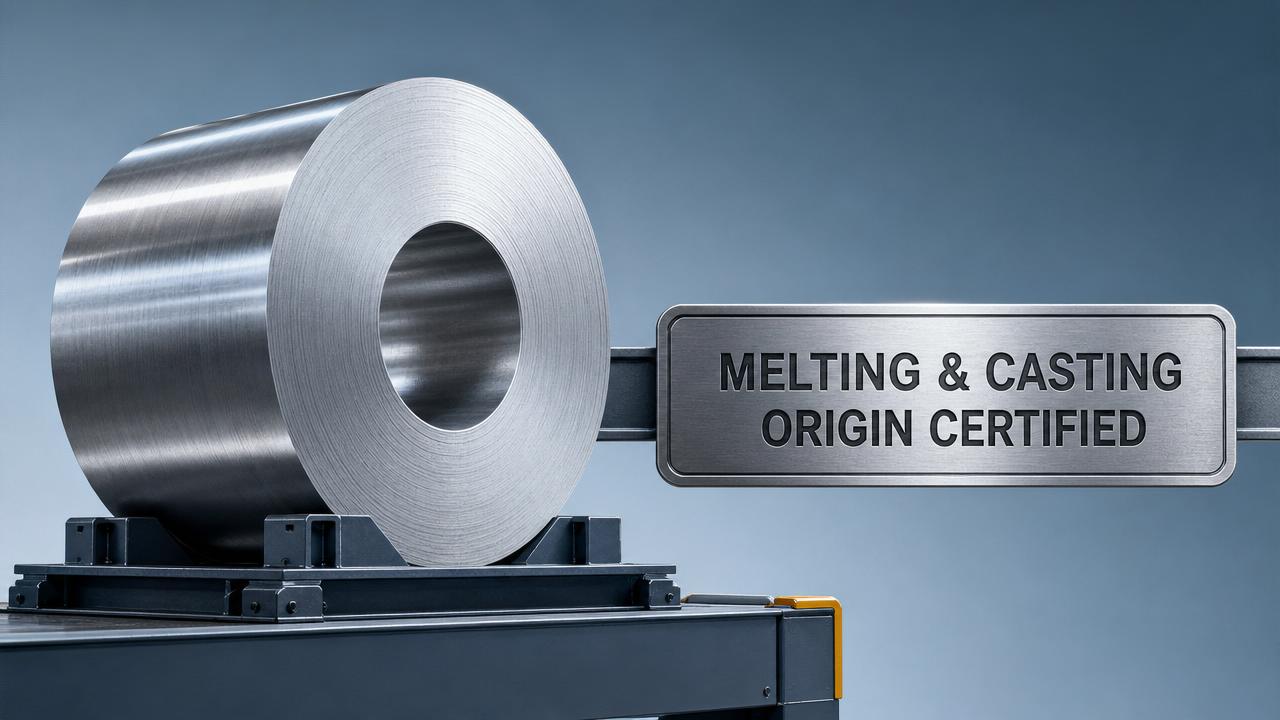
On May 19, 2026, the European Parliament adopted a new steel import control act by an overwhelming 606 votes. Scheduled to enter into force on July 1, 2026, the regulation introduces sweeping changes to quota management, tariff structures, and origin verification—triggering immediate recalibration across global steel supply chains, especially for exporters and intermediaries engaged in EU-bound trade.
Event Overview
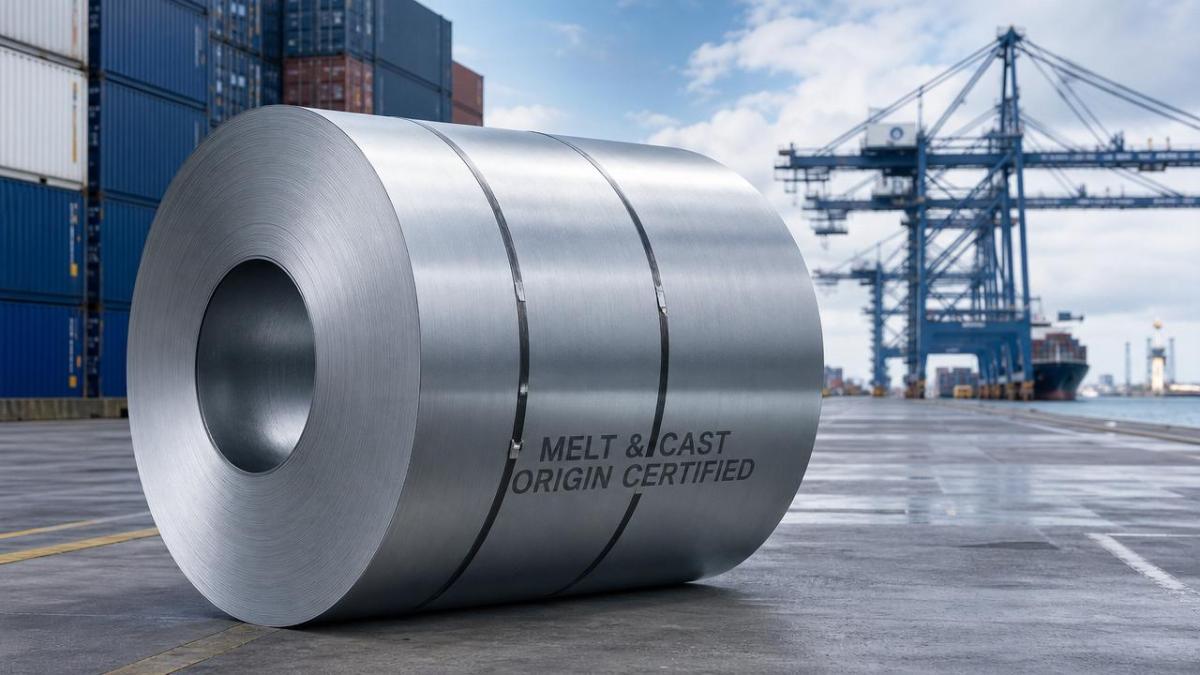
On May 19, 2026, the European Parliament approved the new Steel Import Control Act with 606 votes in favor. The regulation takes effect on July 1, 2026. It reduces the duty-free import quota for steel products by 47% to 1.83 million tonnes annually. For volumes exceeding the quota, the applied tariff rises from 25% to 50%. Crucially, the regulation establishes ‘melting and casting’ as the decisive stage for determining origin—replacing prior broader criteria—and mandates traceability documentation covering this specific production step. This mechanism targets circumvention via third-country transshipment, particularly affecting exports originating from China, Ukraine, and Turkey.
Industries Affected
Direct Trading Enterprises: Exporters and importers handling steel shipments to or from the EU face heightened compliance risk. The 50% over-quota tariff directly erodes margin on non-quota-allocated volumes, while failure to document melting-and-casting origin may lead to customs delays, rejections, or retroactive duties. Traders relying on multi-tiered invoicing or neutral packaging through intermediary jurisdictions now confront operational exposure previously assumed low-risk.
Raw Material Procurement Enterprises: Companies sourcing semi-finished steel (e.g., slabs, billets, blooms) from third countries for onward processing and export must now verify whether their upstream suppliers perform melting and casting within the same jurisdiction claimed as origin. Procurement contracts lacking origin-specific clauses—or lacking audit-ready process records—may become non-compliant post-July 1, forcing renegotiation or supplier substitution.
Processing & Manufacturing Enterprises: Steel service centers, rolling mills, and fabricators exporting finished or semi-finished products to the EU must now map their entire upstream production chain—not just final fabrication—to confirm that melting and casting occurred in the declared country of origin. This affects not only documentation but also plant-level recordkeeping systems; many mid-tier processors lack granular furnace-log integration needed for credible certification.
Supply Chain Service Providers: Customs brokers, classification consultants, and logistics platforms must update advisory frameworks and digital tools to accommodate the new origin test. Verification now requires cross-referencing furnace batch numbers, ladle logs, and casting reports—not just commercial invoices or certificates of origin. Service providers unable to support this level of technical traceability risk losing clients seeking end-to-end compliance assurance.
Key Focus Areas and Recommended Actions
Verify origin documentation down to the melting-and-casting step
Importers and exporters must obtain certified evidence—including furnace IDs, melt numbers, and casting timestamps—from producers. Generic ‘country of origin’ declarations without process-level linkage are no longer sufficient for EU customs clearance.
Reassess quota allocation strategies and shipment timing
With the duty-free quota cut nearly in half, enterprises should model monthly shipment volumes against remaining annual quota headroom. Staggering deliveries across quarters—rather than front-loading—may mitigate sudden quota exhaustion and avoid triggering the 50% tariff unexpectedly.
Engage with EU importers early on contractual liability terms
New origin requirements shift evidentiary burden. Contracts should explicitly assign responsibility for origin verification, define acceptable documentation formats, and clarify who bears cost or delay if certification fails during customs inspection.
Editorial Perspective / Industry Observation
Analysis shows this is not merely a tariff adjustment but a structural recalibration of how the EU defines economic sovereignty in strategic materials. By anchoring origin to melting and casting—the most capital-intensive and technologically embedded phase—the regulation effectively raises the bar for ‘value addition’ required to claim preferential access. Observably, it pressures downstream processors in emerging economies to either vertically integrate upstream or formalize long-term partnerships with verified smelting facilities. From an industry perspective, the rule is less about trade protection per se and more about reshaping global production accountability: it treats origin not as a geographic label, but as a verifiable process fingerprint.
Conclusion
The new EU steel regulation marks a definitive pivot toward process-based trade governance. Its impact extends beyond tariffs to data transparency, supplier governance, and production traceability infrastructure. For global steel stakeholders, compliance is no longer a customs formality—it is a supply chain capability. A measured, evidence-led response—not reactive postponement—is the only viable path forward.
Source Attribution
Official text: Regulation (EU) 2026/XXX, published in the Official Journal of the European Union, May 2026. Implementation guidelines expected from the European Commission Directorate-General for Taxation and Customs Union (TAXUD) by June 15, 2026. Note: Final customs enforcement protocols, including accepted digital verification formats and transitional allowances for legacy shipments, remain under consultation and warrant close monitoring.
NEWS NAVIGATION
CONTACT US