
NEWS
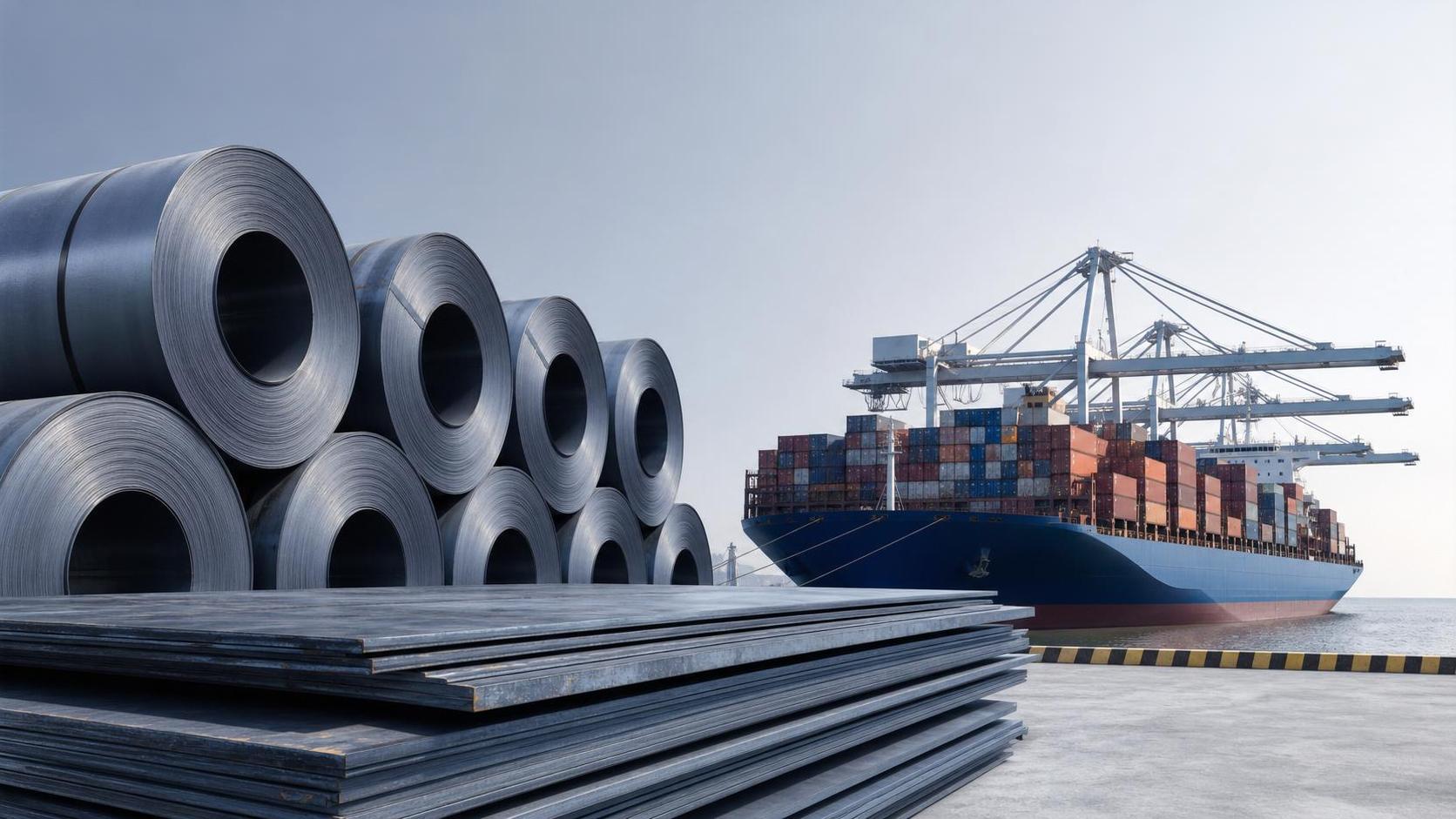
On June 19, 2026, Japan’s Ministry of Finance announced a preliminary finding that Chinese nickel-containing stainless steel had been dumped, and said an interim anti-dumping duty of up to 45% on Chinese hot-rolled steel would take effect on July 1. For distributors in Japan, re-export buyers in Southeast Asia, and importers whose global sourcing depends on the cost position of Chinese hot-rolled steel, this is not just a price issue but a rule change that may affect customs declarations, supplier choices, contract terms, and delivery planning.
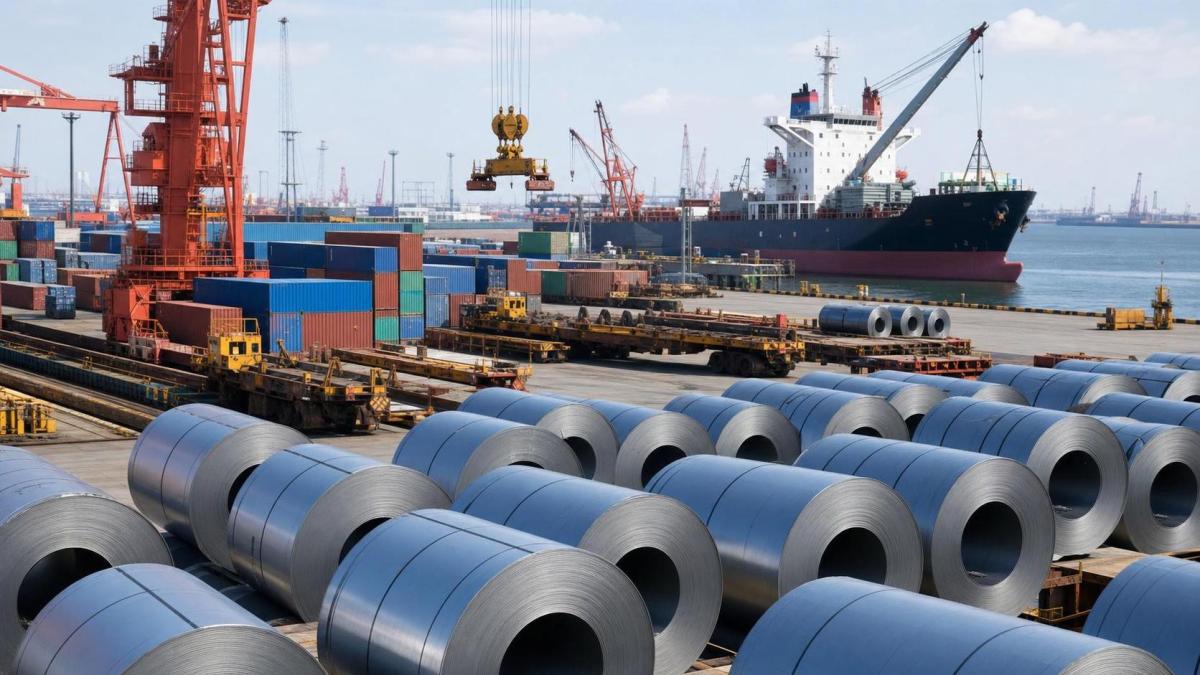
What the preliminary ruling confirms so far
The confirmed facts are limited but commercially important. Japan’s Ministry of Finance published the preliminary ruling on June 19. According to the information provided, the ruling found dumping involving Chinese nickel-containing stainless steel, and Japan plans to impose an interim anti-dumping tariff of up to 45% on Chinese hot-rolled steel from July 1. More than 60 Chinese steel mills and trading companies were included in the investigation list.
Based on the same provided information, the immediate areas of exposure include distributors operating in Japan, Southeast Asian buyers involved in transshipment trade, and importers in global procurement chains that rely on the cost advantage of Chinese hot-rolled steel.
Where the pressure is likely to appear first
Japanese distribution channels face immediate landed-cost adjustments
From an industry perspective, distributors serving the Japanese market may be among the first to feel the effect because interim anti-dumping duties directly alter the landed cost structure. The practical impact is likely to show up in quotation updates, inventory valuation, customs filing review, and negotiations over who bears the added tariff burden under existing contracts.
Transshipment-linked buyers may need closer document scrutiny
For buyers in Southeast Asia involved in re-export or transshipment flows, what deserves closer attention is whether procurement files, origin-related declarations, and shipment documentation remain consistent with the new trade risk environment. The provided information does not define new documentary rules, but the rule change increases the importance of compliant declarations and transaction traceability.
Global importers may need to revisit sourcing logic
Importers that depend on Chinese hot-rolled steel for cost competitiveness may need to reassess supply continuity, price assumptions, and delivery commitments. Analysis shows that even before any broader market reaction becomes clear, the combination of an upcoming effective date and a high provisional rate can force a review of alternative sourcing, contract repricing, and procurement timing.
Export-side traders and mills face a wider compliance burden
For the Chinese mills and trading companies included in the investigation, the issue is not only tariff exposure but also the operational burden around product classification, transaction documentation, customer communication, and shipment planning. Observably, counterparties may request more supporting materials before confirming orders or accepting delivery schedules.
What companies should review before July 1
Check declaration readiness and product documentation
Analysis shows that companies exposed to Japan-bound transactions should first review whether product descriptions, commercial paperwork, and customs-facing documents are internally consistent. Since the provided information points to a trade remedy measure rather than a technical standard update, the key practical issue is alignment between goods, declarations, and supporting records.
Re-test procurement alternatives without assuming smooth substitution
What deserves closer attention is not simply finding another supplier, but checking whether alternative supply can meet the same commercial and delivery conditions. The information provided supports urgent evaluation of replacement supply routes, but it does not confirm that substitution will be fast, cost-neutral, or operationally equivalent.
Revisit price clauses and delivery commitments
Companies with open quotes, pending tenders, or scheduled shipments should review whether current pricing and delivery terms still reflect the announced interim duty risk. This is especially relevant where contracts were built around the prior cost advantage of Chinese hot-rolled steel and where buyers may now seek renegotiation.
Track official wording and market execution closely
The current information confirms a preliminary ruling and an announced effective date, but it does not provide the full execution detail that many firms would need for final operational decisions. For that reason, businesses should pay close attention to subsequent official wording, practical enforcement interpretation, and how counterparties begin to apply the change in bids, orders, and shipment approvals.
How this development is better understood today
Observably, this development is more than a headline about tariffs; it is an execution signal for trade compliance and procurement planning. At the same time, it is not yet a complete picture of all downstream business consequences. Analysis shows that the most useful reading at this stage is that a near-term rule change has been announced and companies with direct exposure should treat it as operationally relevant now, while still watching for how the measure is applied in practice.
From an industry perspective, the key uncertainty is not whether the announcement matters, but how quickly commercial behavior adjusts around it. That includes supplier switching, declaration review, repricing discussions, and buyer risk controls.
Why the market should keep this on the watchlist
This event is best understood as a concrete compliance and trade-cost trigger with immediate relevance for affected transactions, rather than as a fully settled long-term market outcome. The confirmed facts already justify short-term reviews in sourcing, declarations, and contract management, but broader conclusions about lasting trade flow changes still require observation.
A measured conclusion is therefore more appropriate: the announcement signals a rule change with near-term execution impact, while the full market response, business adaptation, and enforcement practice remain issues to monitor rather than assumptions to lock in.
Basis of this article and points still to verify
This article is generated from the user-provided news title, event date, and event summary. For this type of development, relevant source categories typically include official government announcements, trade or customs authority releases, industry association updates, standard-setting or compliance-related documents, and reporting by established business media.
No specific official source link was provided in the input, so the exact official publication path still needs to be verified on an ongoing basis. Further observation is also needed on detailed policy wording, enforcement interpretation, tender document changes, market feedback, and how affected companies implement sourcing, declaration, and delivery adjustments in practice.
NEWS NAVIGATION
CONTACT US