
NEWS
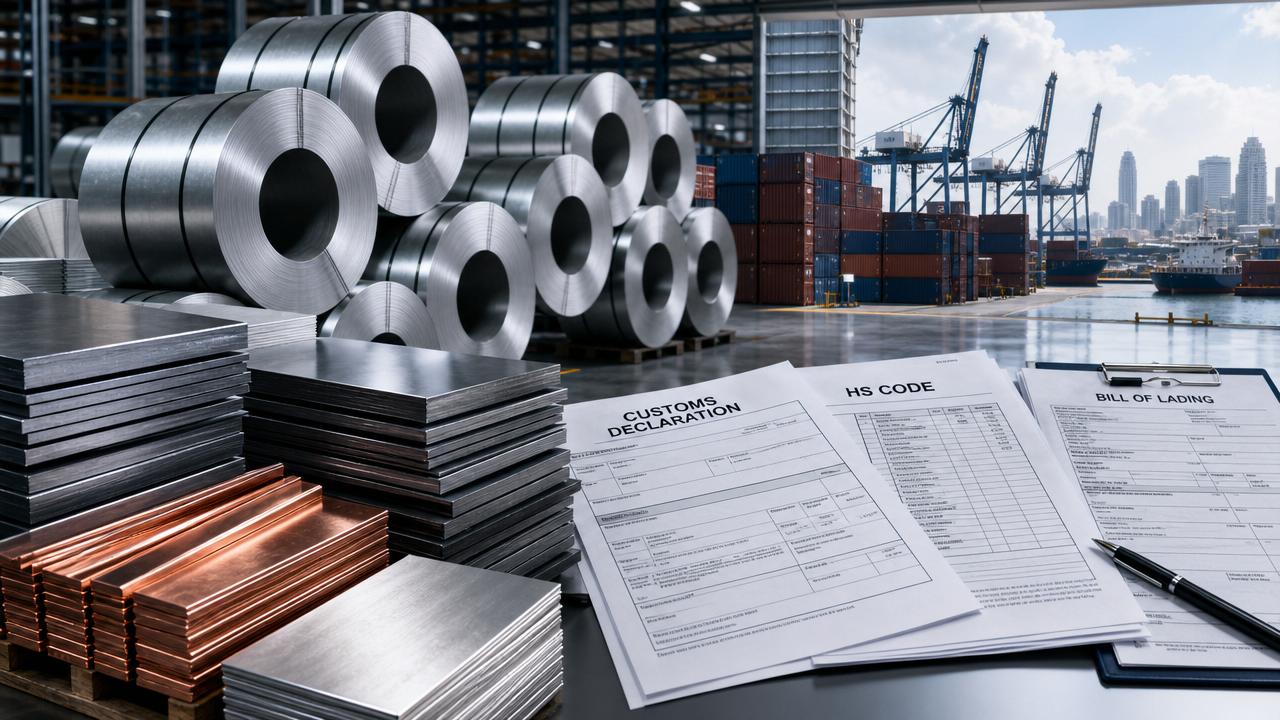
On June 4, 2026, an administrative document signed by Trump reduced US import tariffs on selected hot-rolled steel, alloy steel, aluminum plate and refined copper products. Although the adjustment does not cover all steel categories, it reaches commonly exported grades such as ASTM A656 and A572, making it directly relevant to Chinese exporters, overseas distributors, import compliance teams and supply chain service providers. For the industry, the key issue is not only a change in landed cost, but also how tariff applicability, origin documentation and HS classification accuracy may affect customs clearance and dollar-based pricing.
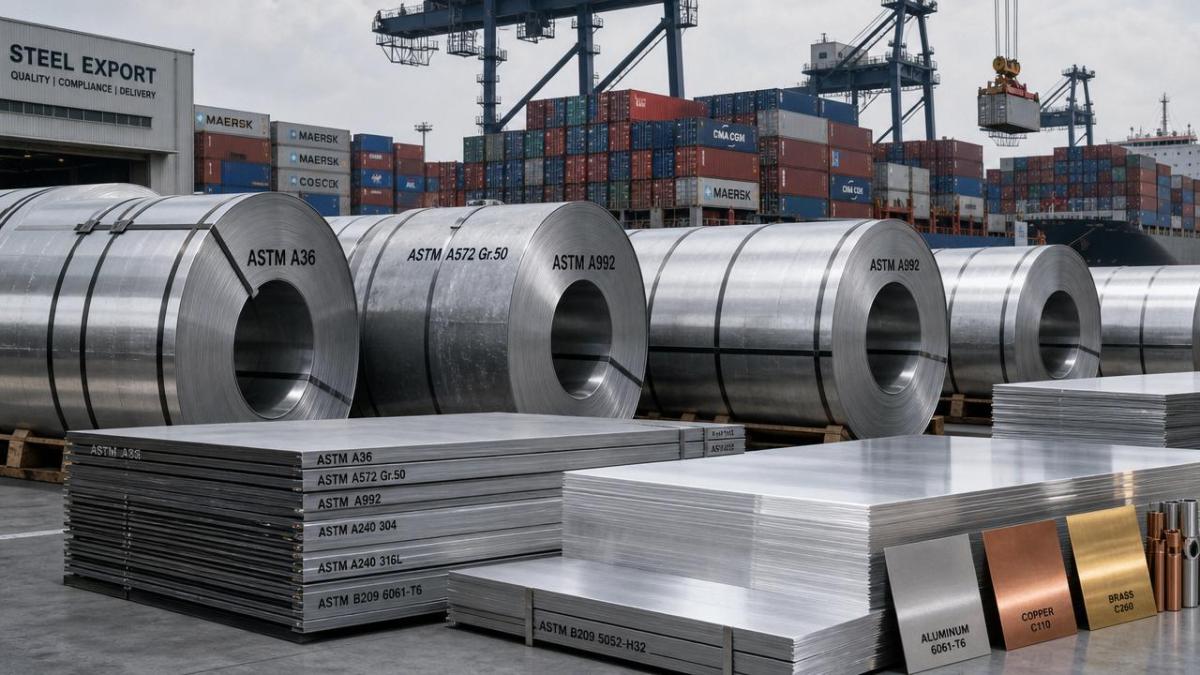
What the tariff adjustment clearly covers
Confirmed information shows that on June 4, 2026, Trump signed an administrative document lowering US import tariffs on certain hot-rolled steel, alloy steel, aluminum plate and refined copper products. The change does not apply to all steel products. The products involved include mainstream export grades such as ASTM A656 and A572. The adjustment is described as having a direct effect on customs clearance costs, preparation of origin compliance documents and US dollar quotation models for Chinese companies exporting to the United States. For overseas distributors, the summary indicates stronger short-term price elasticity, while also requiring a reassessment of suppliers’ tariff eligibility and the accuracy of HS code classification.
Where the practical pressure points may appear first
For exporters selling into the US market
From an industry perspective, exporters are likely to feel the impact first in quotation and customs preparation. Because the tariff reduction applies only to some products rather than all steel categories, the commercial effect depends on whether a shipment truly falls within the adjusted scope. That means product grade identification, product description consistency and origin-related paperwork may become more important in day-to-day export execution.
For overseas distributors and import-side trading teams
Analysis shows that distributors may see more room for short-term repricing, especially where tariff costs are part of near-term transaction negotiations. At the same time, lower tariffs do not remove compliance risk. Import-side teams still need to recheck whether the supplier’s products actually qualify for the adjusted tariff treatment and whether the HS classification used in declarations is accurate enough to withstand review.
For customs, documentation and supply chain service functions
What deserves closer attention is the operational side of clearance. Service providers involved in filing, customs coordination and shipping documentation may need to align product specifications, commercial invoices, origin files and classification records more carefully. Where the affected products include ASTM A656, A572 or similar commonly traded grades, any mismatch between technical description and customs declaration could affect whether the tariff adjustment is correctly applied.
For procurement and contract execution teams
Procurement functions may also be affected because tariff changes can alter the cost basis used in supplier comparison and delivery planning. In practical terms, buyers and contract managers may need to revisit whether existing quotes, contract language and landed-cost assumptions still reflect the latest import duty treatment for the covered products.
What companies should review before changing quotes or shipment plans
Check product scope against actual grade and description
Analysis shows that companies should avoid treating the tariff reduction as a blanket change across all steel, aluminum or copper products. Since the summary states that not all steel categories are covered, the first step is to review whether each exported item, including products tied to ASTM A656 or A572, is described and classified in a way that matches the adjusted scope.
Re-examine origin files and clearance documents
Observably, origin compliance documentation becomes more important when tariff treatment changes. Exporters and their agents should focus on whether origin-related files, product specifications and customs paperwork are consistent with one another. The current information does not provide detailed enforcement instructions, so this is an area that still requires careful follow-up rather than assumptions.
Update dollar pricing models with caution
For sales teams, the tariff adjustment may affect US dollar quotations, but it should not be translated into automatic price cuts without verification. What deserves closer attention is whether the lower duty applies to the exact product, shipment structure and declaration path involved. Until execution details are clearer, pricing models should be updated with scenario-based checks instead of a uniform adjustment.
Review supplier qualification and HS classification controls
For distributors and import-side buyers, the summary points to two immediate review items: tariff eligibility and HS code accuracy. It is more appropriate to understand this as a compliance screening issue as much as a pricing issue. Supplier qualification files, technical descriptions and classification logic may need to be revalidated before new orders are finalized.
Why this matters beyond a simple cost change
Editorial observation: this development should not be read only as a reduction in import cost for selected metals products. It also acts as an execution signal for how narrowly defined tariff treatment can reshape trade operations at the product level. Because the adjustment does not extend to all steel products, market participants are likely to focus less on headline direction and more on whether a specific grade, declaration path and supplier file can support the claimed tariff treatment.
Editorially, it is more appropriate to understand this as a landed change with compliance implications, while still recognizing that important execution details may need further observation. Industry participants should continue watching for practical interpretation in customs handling, documentation standards, tender language and transaction feedback from the market.
How the market may need to read this change for now
In summary, the June 4, 2026 tariff adjustment matters because it links product coverage, customs treatment and commercial pricing more closely than a general policy headline might suggest. For Chinese exporters, overseas distributors and related service providers, the immediate task is not to assume uniform benefit, but to verify scope, documents and classification product by product. At the current stage, this is best understood as a real policy change with direct operational consequences, while some aspects of implementation and market response still merit continued observation.
Basis of this article and what still needs verification
This article is based on the user-provided news title, event date and event summary. For events of this kind, commonly relevant source types may include official announcements, releases from regulatory authorities, customs or trade administration information, industry association updates, standard organization documents and reporting by authoritative media. A specific official source link was not provided in the input, so further verification remains necessary. What still needs continued follow-up includes detailed implementation language, practical compliance interpretation, certification or documentation expectations, tender document changes, industry feedback and how companies execute the change in actual shipments and quotations.
NEWS NAVIGATION
CONTACT US