
NEWS
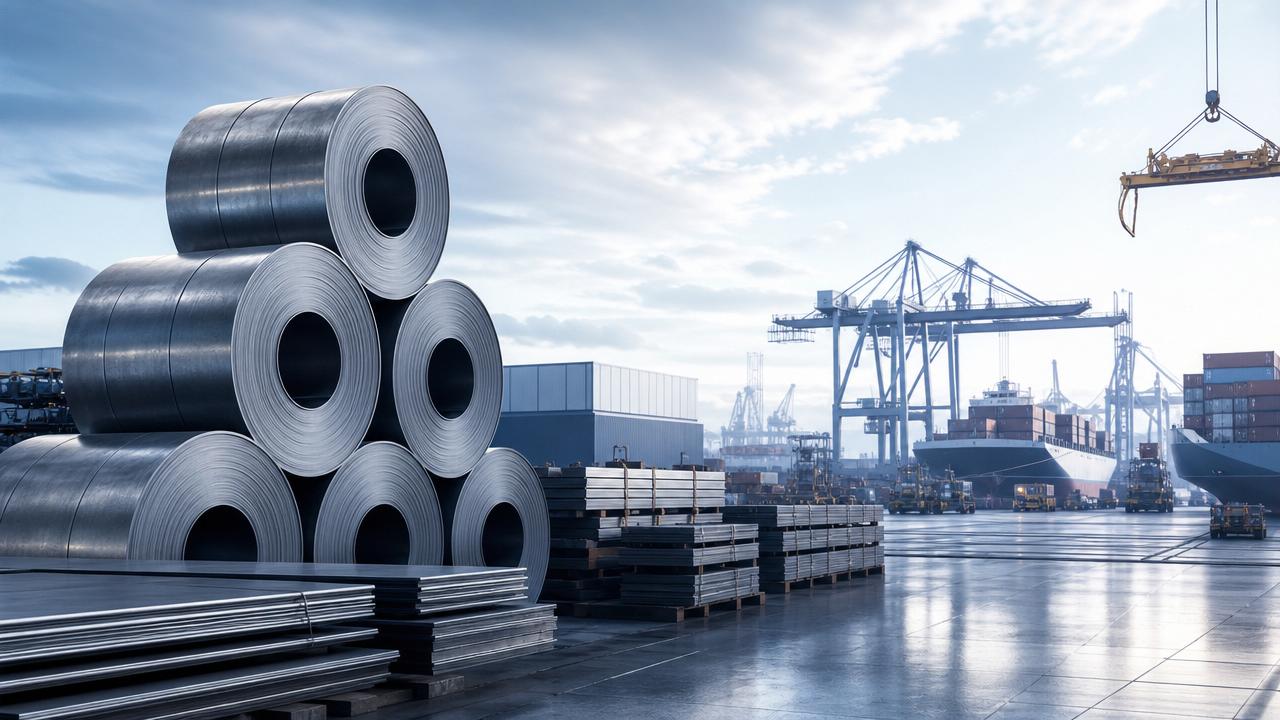
On June 1, 2026, Japan moved from market discussion to formal trade action by launching a one-year anti-dumping investigation into hot-rolled steel products from mainland China, Taiwan, and South Korea. Because the case covers 21 tariff headings from 7208 to 7226 and spans hot-rolled products used in automotive, infrastructure, steel pipe, and construction applications, the development is relevant not only to exporters but also to importers, procurement teams, customs handling parties, and downstream manufacturers that depend on stable delivery and compliant import documentation.
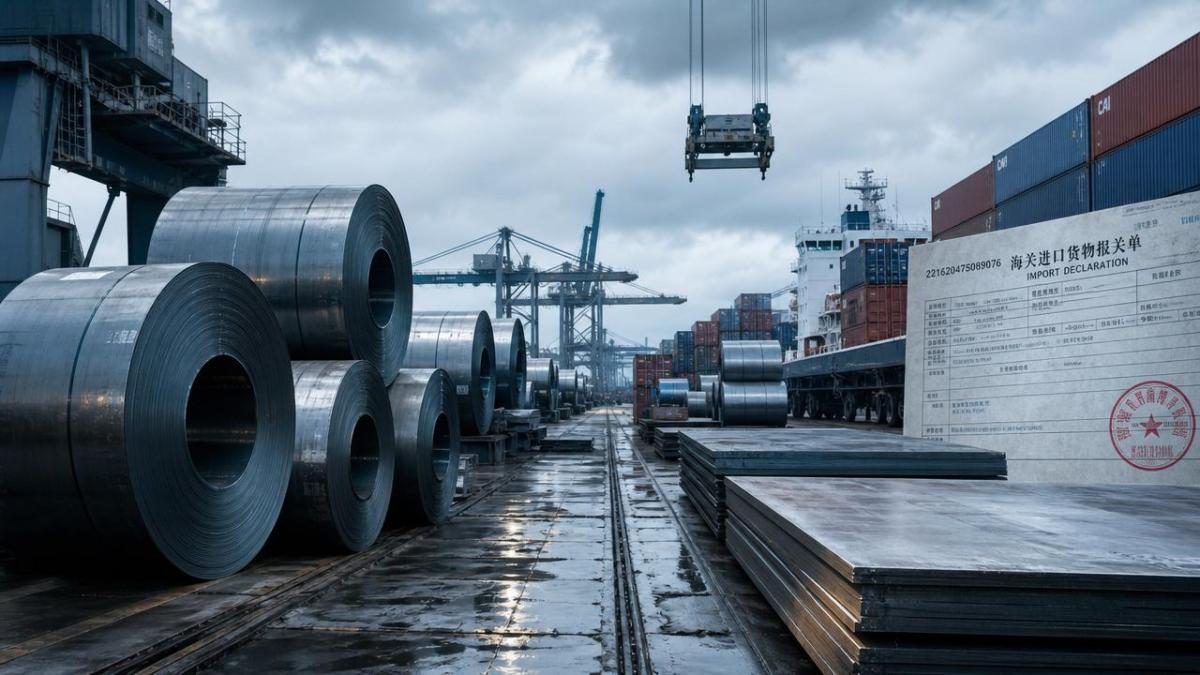
What the Trade Action Formally Covers
The confirmed facts are limited but commercially significant. Japan's Ministry of Economy, Trade and Industry formally initiated the investigation on June 1, 2026, and the review period is stated as one year. The products under review are hot-rolled steel items classified under 21 tariff headings, from 7208 through 7226. The scope covers a full range of hot-rolled products used in automotive, infrastructure, steel pipe, and building material applications. Based on the event summary provided, this action directly affects import cost expectations, customs clearance timing, and compliance preparation for overseas buyers sourcing hot-rolled steel from the named origins.
Where the Pressure May Appear First in the Supply Chain
Import purchasing teams face a more sensitive cost and timing window
From an industry perspective, importers and overseas procurement teams are among the first to feel the effect of a formal anti-dumping investigation because purchasing decisions can no longer be evaluated on price and delivery alone. What deserves closer attention is whether product classifications, shipment arrangements, and supporting trade documents are fully aligned with the tariff headings under review, as any mismatch could complicate clearance preparation or internal procurement approval.
Japanese downstream manufacturers may need tighter material planning
Manufacturers in Japan that rely on hot-rolled steel for automotive, infrastructure-related fabrication, steel pipe, or building material production may face a more cautious sourcing environment. Analysis shows that the immediate issue is not a confirmed final outcome, but the risk that procurement cycles, landed-cost assumptions, and inbound scheduling may need adjustment while the investigation remains active.
Regional distributors and supply-chain service providers must watch execution details
For Asia-Pacific distributors, logistics coordinators, and trade service providers, the event raises practical questions around customs handling, shipment planning, and document readiness. Observably, businesses that move material across multiple contracts or destinations should pay closer attention to how covered products are identified in commercial paperwork and how supply commitments are sequenced during the investigation period.
Practical Priorities for Companies Now
Review tariff mapping and product scope
Companies involved in affected hot-rolled steel transactions should first verify whether their products fall within tariff headings 7208 to 7226 and whether internal product descriptions, sales documents, and import paperwork are consistently mapped. This is a practical compliance step rather than a conclusion about final measures.
Prepare for longer compliance and clearance coordination
Analysis shows that businesses should pay attention to the possibility of longer internal review and customs preparation cycles. Procurement, trade compliance, and logistics teams may need closer coordination on shipment files, technical descriptions, and supporting records so that transactions remain defensible if scrutiny increases.
Recheck procurement schedules and supply-chain resilience
For companies dependent on these hot-rolled categories, the current development is also a supply-chain planning signal. It is more appropriate to understand this as a prompt to reassess sourcing concentration, delivery buffers, and contract timing, especially where production continuity depends on imported material covered by the investigation.
Track official wording and market-side implementation signals
Because the provided information does not include detailed implementation guidance, companies should avoid assuming a fixed operational outcome at this stage. What deserves closer attention is how future official wording, customs practice, procurement requirements, and buyer-side documentation requests may evolve during the one-year investigation period.
Why This Matters Beyond a Single Trade Headline
Observably, this development should be read as more than a routine headline about steel trade. It signals that hot-rolled steel transactions involving the named origins are moving into a more compliance-sensitive phase, where classification discipline, import preparation, and procurement risk controls become more important. At the same time, analysis shows that this is not yet the same as a confirmed final trade remedy outcome; it remains a live regulatory process that requires continued observation.
How the Market Is Better Advised to Read It
The most balanced reading is that the investigation represents a clear execution signal rather than a completed end state. It confirms that trade review has formally started and that affected companies should treat related sourcing and import activities with greater care. It is less appropriate to interpret the event as a settled commercial result, and more appropriate to see it as an active rules-based process that may shape cost expectations, delivery arrangements, and compliance preparation over time.
Basis of This Article and What Still Needs Verification
This article is generated from the user-provided news title, event date, and event summary. For events of this type, relevant source categories usually include official announcements, releases from regulatory authorities, customs or trade administration information, industry association updates, standards-related materials, and reporting by authoritative media. No specific official source link was provided in the input, so the exact official publication path still requires follow-up verification. Continued attention is also needed on any later policy detail, implementation language, customs interpretation, tender document changes, industry feedback, and company-level execution responses.
NEWS NAVIGATION
CONTACT US