
NEWS
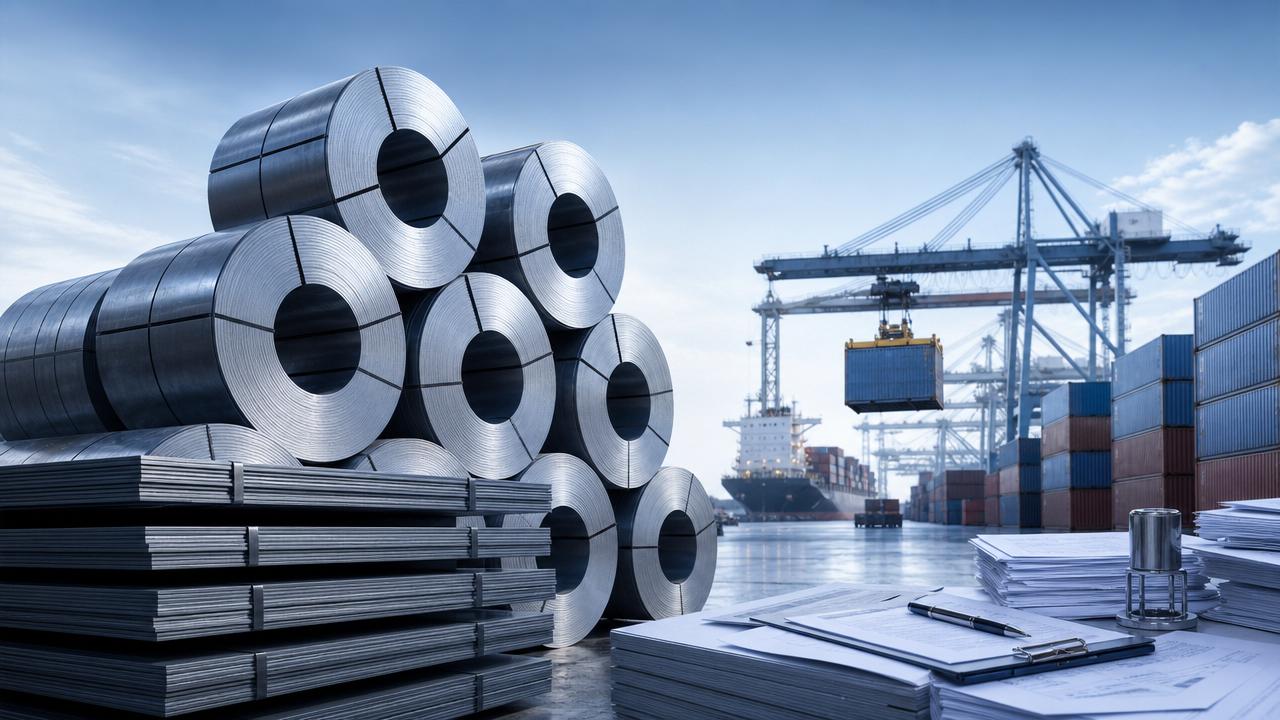
On June 1, 2026, Japan’s Ministry of Economy, Trade and Industry formally launched an anti-dumping investigation into hot-rolled iron or non-alloy steel strip and plate originating in mainland China, South Korea, and Taiwan, China. The one-year investigation is already relevant to exporters, importers, compliance teams, and downstream buyers because it may affect market access, customs preparation, and the cost assumptions behind ongoing supply arrangements.
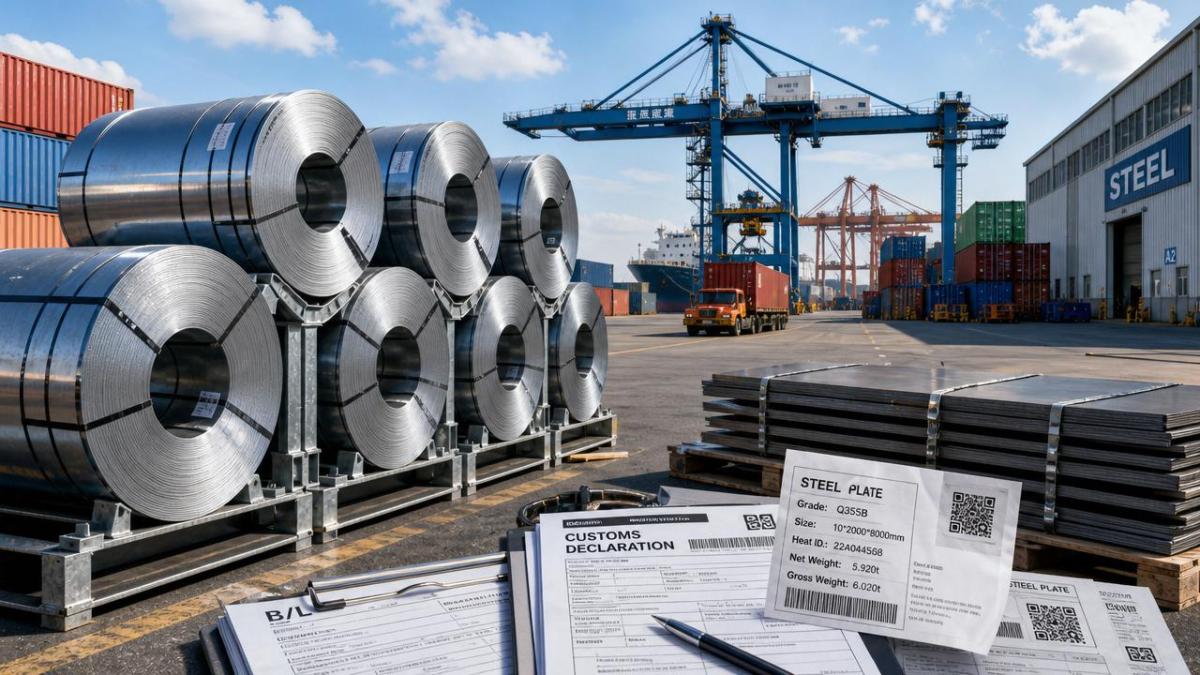
What Japan Has Formally Announced
The confirmed development is that Japan opened the investigation on June 1, 2026, covering hot-rolled iron or non-alloy steel strip and plate from mainland China, South Korea, and Taiwan, China. The investigation period is set to last for one year. Based on the information provided, the measure directly concerns export access to the Japanese market, compliance declarations, and customer customs clearance arrangements.
Where the Pressure May Appear First
Export-facing steel suppliers may face immediate documentation pressure
From an industry perspective, companies shipping the affected products into Japan may be the first to feel the impact because customs-facing documents, origin-related records, and transaction details can become more sensitive during an anti-dumping investigation. What deserves closer attention is whether existing shipments, pending contracts, and customer delivery schedules rely on documentation that now requires closer internal review.
Importers and trading companies may need to reassess sourcing assumptions
Analysis shows that overseas importers and trading intermediaries may need to revisit procurement plans if they depend on supply from the covered origins. The practical issue is not only product availability, but also the risk of higher tariff exposure, stricter origin proof requirements, and the possibility that customs clearance timelines become less predictable.
Downstream buyers may see changes in delivery and cost planning
Observably, processors, manufacturers, and procurement teams that rely on imported hot-rolled steel products may need to monitor whether suppliers adjust quotations, shipment timing, or contract terms. Even without a final outcome yet, the investigation itself can affect how buyers evaluate delivery risk and replacement options within the supply chain.
Service providers in logistics and compliance may face higher coordination demands
Supply chain service providers, including customs-related and trade documentation teams, may also be affected because clients are likely to require more support on origin evidence, filing consistency, and shipment readiness. The operational burden may rise before any final determination is known.
What Companies Should Track Now
Watch for further official wording and procedural updates
Analysis shows that businesses should closely follow how the investigation is described in subsequent official communications. The difference between a headline announcement and later procedural detail can matter in practice, especially for product scope, declaration requirements, and the handling of shipments during the investigation period.
Check product scope against actual orders and inventory flows
What deserves closer attention is whether internal product classifications, contract descriptions, and shipping documents align clearly with the covered goods described in the case. This is particularly important for companies handling multiple steel product categories across similar specifications.
Review origin proof and customs documentation readiness
Observably, origin-related records and supporting paperwork now become a more immediate operational issue. Exporters, importers, and customs-facing teams should verify whether supplier files, certificates, and transaction records are organized well enough to support customer clearance and internal compliance review.
Prepare communication plans with customers and suppliers
From an industry perspective, companies should separate confirmed facts from assumptions when speaking with counterparties. Practical preparation may include discussing alternative sourcing paths, possible timing adjustments, and how both sides will respond if customs requirements or duty expectations change during the one-year investigation.
Why This Matters Beyond the Initial Headline
Analysis shows that this development should not yet be treated as a final trade outcome, but neither is it a routine notice with no commercial effect. It is more appropriate to understand this as an active trade-policy signal that can influence real business decisions before any final conclusion is reached. The key reason the industry should keep watching is that investigations of this kind often matter not only at the policy level, but also at the level of contracts, declarations, and shipment execution.
How the Market Should Read the Current Stage
At this stage, the most balanced reading is that Japan’s move creates a defined period of heightened scrutiny rather than an already settled result. For the steel trade and connected buyers, the near-term issue is operational readiness: market access, customs handling, documentation quality, and supply-chain flexibility. It is more appropriate to understand this as a development that requires continued observation, with short-term compliance implications and broader commercial significance still unfolding.
Basis of This Article and Ongoing Verification
This article is generated from the user-provided news title, event date, and event summary. For developments of this kind, commonly relevant source types may include official government announcements, company disclosures, industry association updates, authoritative media reporting, and trade-related regulatory documents. A specific official source link was not provided in the input, so further verification remains necessary. Areas that still warrant ongoing attention include any later official procedural detail, clarification of documentation expectations, and changes that may affect sourcing, customs clearance, or tariff exposure during the one-year investigation period.
NEWS NAVIGATION
CONTACT US