
NEWS
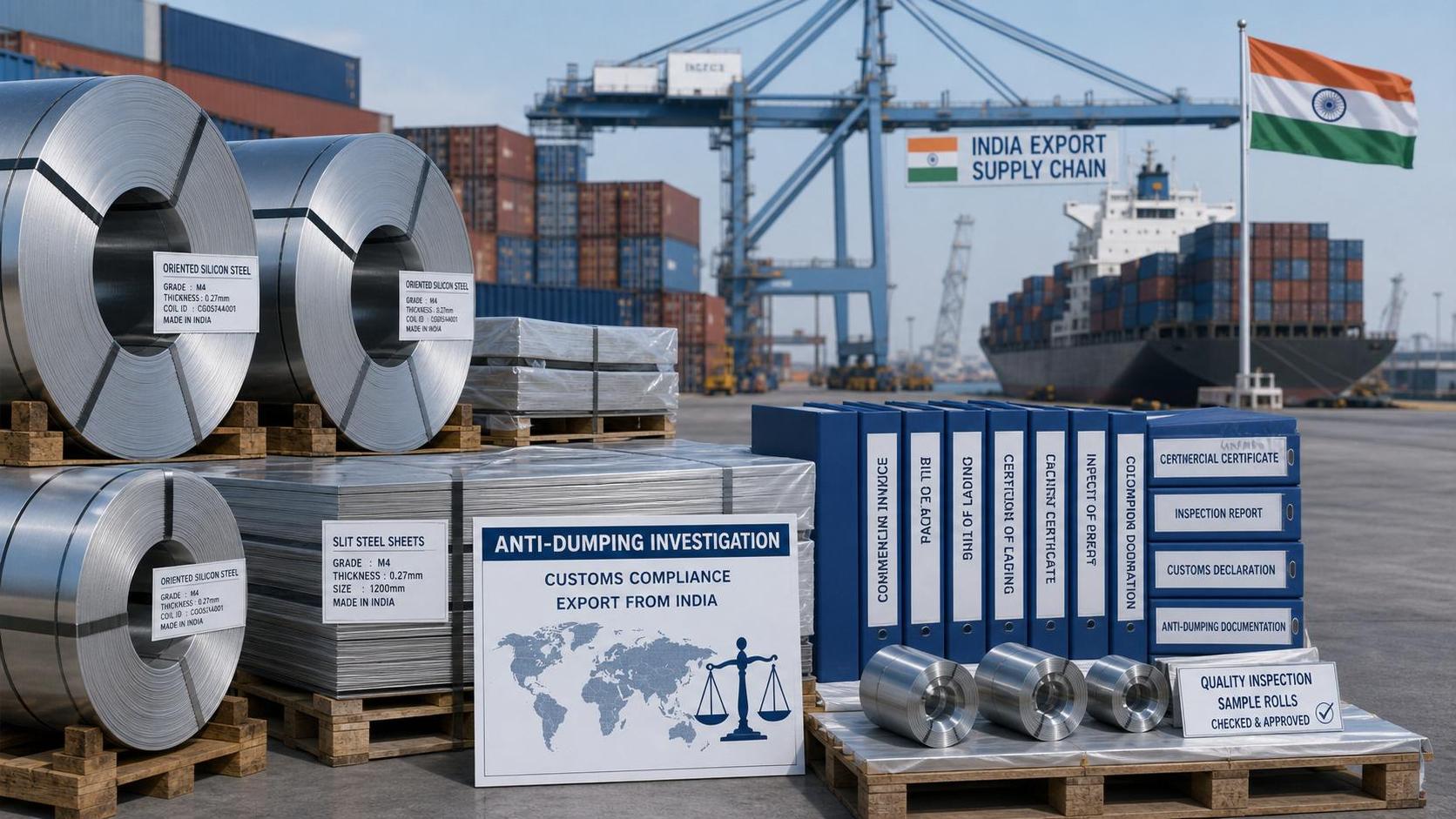
On June 22, 2026, India announced an anti-dumping investigation into cold-rolled grain-oriented steel (CRGO) and amorphous metal from China. For exporters, importers, and supply chain teams involved in India-bound shipments, the development is worth close attention because it directly touches customs compliance, clearance timing, and cost planning rather than serving as a routine trade update.
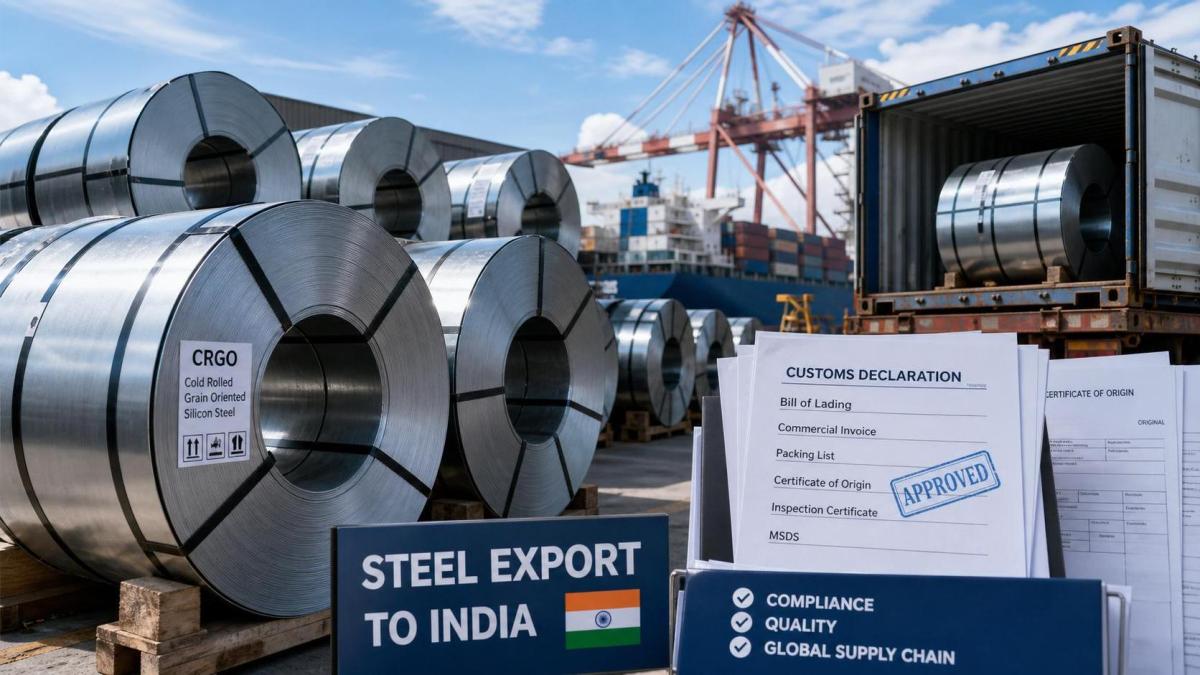
What the announced investigation covers
According to the information provided, India’s Ministry of Commerce and Industry launched the anti-dumping investigation on June 22, 2026. The products named in the case are Chinese-origin CRGO and amorphous metal, and the scope covers more than ten customs tariff lines, including 72251100 and 72261100. The dumping investigation period runs from April 2025 to March 2026.
The same disclosed information indicates that the case has direct implications for Chinese exporters’ compliance in supplying the Indian market, as well as for customs clearance efficiency and cost structure. It also means importers need to revisit supplier qualifications and origin documentation requirements.
Where the pressure may appear across the supply chain
Export-side compliance becomes more sensitive
From an industry perspective, Chinese exporters are the first group likely to feel the impact because the investigation directly relates to products they ship to India. The main pressure points are likely to emerge in product classification, supporting documentation, and transaction records tied to the covered tariff lines.
Import decisions may become more document-driven
Indian importers may face a more demanding review process when assessing whether existing suppliers remain suitable under the new trade risk environment. What deserves closer attention is not only price, but also whether supplier files, certificates of origin, and shipment documentation can withstand closer scrutiny during customs and internal compliance review.
Logistics and delivery planning could face timing risks
For supply chain service providers and operations teams, the issue is not limited to trade policy language. Analysis shows that any investigation of this kind can raise practical questions around clearance timing, handover schedules, and landed-cost calculations, making delivery planning more exposed to procedural delays and document rechecks.
What companies should watch now
Track the official wording and scope carefully
Companies involved in the affected product categories should closely monitor how the covered products and tariff lines are described in official notices. In practical terms, even small differences in scope interpretation can affect shipment review, internal compliance checks, and customer communication.
Recheck supplier qualification files
For importers and sourcing teams, a priority issue is whether current supplier credentials are complete and current for the affected categories. This is especially relevant where procurement decisions have relied primarily on commercial terms rather than detailed documentary readiness.
Prepare for origin and customs document scrutiny
Exporters, traders, and customs-facing teams should review origin-related documentation and shipment files associated with India-bound business in the covered products. The immediate concern is not only formal compliance, but also whether documentation can support smoother clearance under a more sensitive review environment.
Align customer communication with delivery risk
Companies with ongoing or planned transactions may also need to revisit how they communicate about lead times, compliance status, and possible cost changes. Observably, the business impact of a trade investigation is often amplified when internal teams and counterparties are working from different assumptions about risk and timing.
How this development should be interpreted at this stage
Analysis shows that this announcement should not be treated as a final trade outcome, but it should also not be dismissed as a purely procedural step. At this stage, it is more appropriate to understand this as an active policy signal with immediate operational relevance, especially for companies already shipping or sourcing the covered materials for the Indian market.
From an industry perspective, the most important point is that the case already affects how businesses assess compliance exposure, customs readiness, and supplier reliability. Whether the longer-term commercial effect becomes broader still depends on subsequent official developments, which means continued observation remains necessary.
Why the market will keep watching this case
This development matters because it sits at the intersection of trade remedy policy and day-to-day execution. The immediate issue is not simply whether an investigation has started, but how quickly affected companies can translate that signal into more disciplined documentation, procurement review, and delivery planning.
It is more appropriate to understand the current situation as a near-term operational change and a longer-term policy signal that still requires follow-up. The investigation is already relevant for decision-making, but its full market effect should still be assessed with caution.
Basis of this article and follow-up points
This article is generated from the user-provided news title, event date, and summary of the development. For this type of trade-related update, commonly relevant source categories may include official government notices, company disclosures, industry association updates, authoritative media coverage, and standards-related documents.
No specific official source link was provided in the input, so the exact official link still needs to be verified on an ongoing basis. Follow-up attention should remain on subsequent official wording, any clarification of covered product scope, and any changes that could affect compliance, documentation, customs procedures, or transaction planning.
NEWS NAVIGATION
CONTACT US