
NEWS
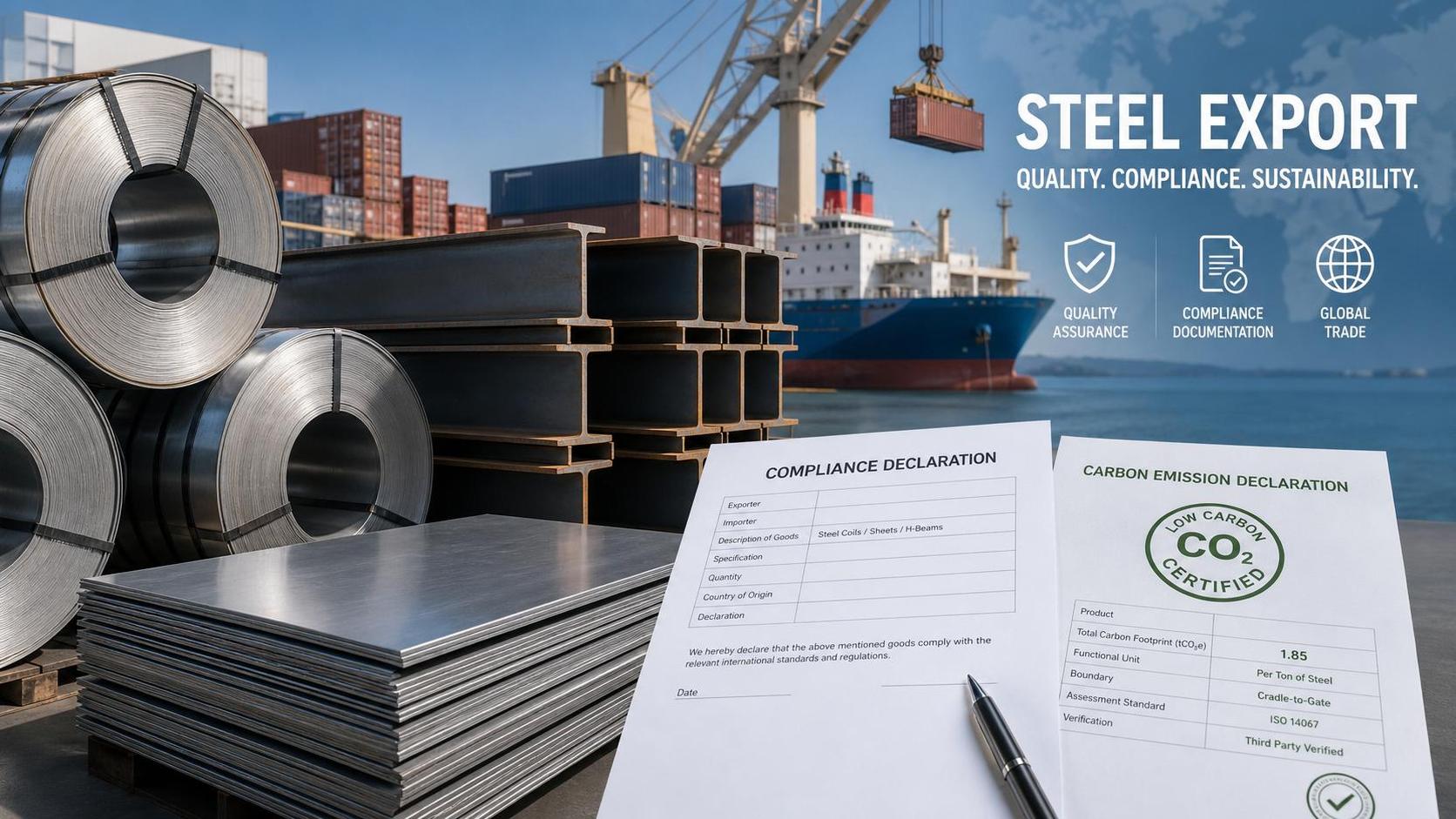
China’s customs authority has updated export declaration requirements for part of the steel trade, with the new rule taking effect on July 1, 2026. The change centers on pre-filing certified carbon footprint information for 37 major exported steel product categories during the Single Window declaration process, making this a compliance issue that deserves close attention from steel exporters, overseas importers, procurement teams, and supply chain service providers because it can affect customs clearance readiness, document preparation timing, and supplier qualification reviews.
What the new filing requirement covers
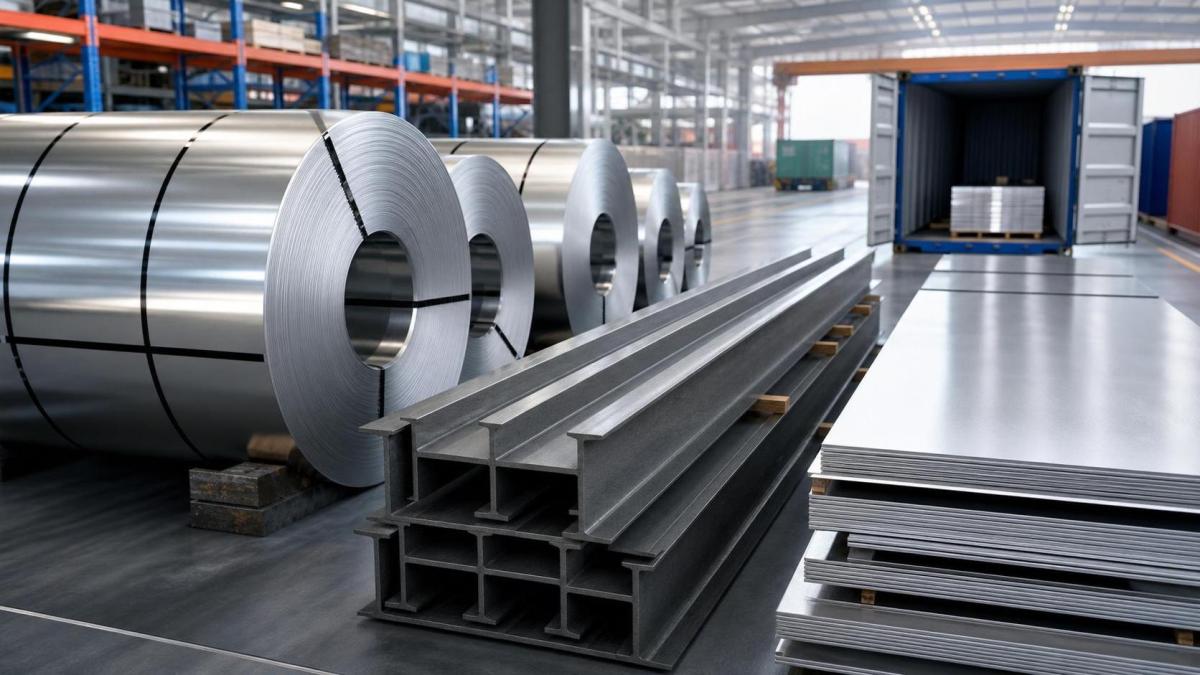
According to the information provided, the General Administration of Customs of China issued an announcement on June 29, 2026 regarding pre-declaration of carbon emissions data for some steel exports. From July 1, 2026, exporters of 37 major steel product categories, including hot-rolled coil, cold-rolled stainless steel sheet, and H-beams, are required to submit a certified carbon footprint calculation report at the same time as the Single Window declaration.
The certified report must be prepared under ISO 14067 or GB/T 32150. The confirmed scope in the provided information is limited to the specified export steel categories and the requirement to pre-file carbon footprint data in the declaration stage.
Where the immediate pressure is likely to appear
Export-facing steel sellers may see document workflows tighten
From an industry perspective, direct exporters are the first group likely to feel the change because the filing requirement is tied to the customs declaration step itself. The main operational impact is likely to fall on whether product-level supporting documents are ready in time and whether internal export teams can align shipment scheduling with certified carbon footprint reporting.
Overseas buyers will need to check clearance readiness earlier
Analysis shows that overseas importers may be affected even though the requirement is imposed at the China export declaration stage. The reason is straightforward: if filing documents are incomplete or not aligned with the covered product categories, import-side customs preparation, delivery timing, and transaction certainty may all come under pressure. What deserves closer attention is the buyer’s dependence on suppliers for compliant documents before shipment moves forward.
Procurement and supplier approval processes may become more document-driven
For procurement teams and supplier management functions, the new rule may shift part of the evaluation focus toward whether suppliers can provide certified carbon footprint reports under the stated standards. The likely impact is not only on order confirmation, but also on supplier onboarding, renewal reviews, and the lead time required to prepare export paperwork.
Service providers in customs and logistics may need earlier coordination
Observably, customs brokers and related supply chain service providers may need to engage earlier in the shipment preparation cycle. Their exposure comes from the timing of declaration filings and the need to verify whether the required report is available and properly matched to the declared steel category before submission.
What companies should watch now
Whether their export products fall within the 37 covered categories
A practical first step is to confirm whether ongoing or near-term shipments involve any of the listed steel categories, such as hot-rolled coil, cold-rolled stainless steel sheet, and H-beams. This matters because the filing obligation described in the provided information is product-linked rather than a general statement for all steel exports.
Whether certified reports can be prepared within shipment timelines
Companies should pay close attention to the operational gap between a policy requirement and day-to-day shipment execution. The formal rule is clear in requiring a certified carbon footprint calculation report under ISO 14067 or GB/T 32150, but the business question is whether internal teams, suppliers, and service providers can prepare, verify, and submit that documentation without delaying declaration.
How customer communication and procurement planning need to adjust
For sellers and buyers, the reporting requirement may affect document request timing, contract preparation, and pre-shipment confirmation. What deserves closer attention is not only the existence of the rule, but how quickly counterparties update their document checklists and whether procurement teams begin to treat carbon footprint reporting capability as part of routine supplier screening.
Whether official wording or implementation details continue to evolve
Analysis shows that companies should also continue monitoring subsequent official clarification or procedural updates related to implementation. The current information confirms the filing requirement and standards basis, but businesses still need to track whether later guidance refines declaration practice, scope interpretation, or documentation handling in actual operations.
Why this matters beyond a single filing step
Observably, this development is more than a narrow customs formality. At this stage, it is more appropriate to understand it as a concrete compliance change with broader supply chain implications, especially where export steel transactions depend on tight coordination between production, documentation, customs filing, and buyer acceptance. Analysis shows that the requirement also acts as a signal that carbon-related product data is becoming more embedded in trade documentation for covered steel categories.
That said, it would be premature to treat this alone as a final indicator of broader market outcomes. The confirmed fact is the new pre-filing requirement for certain steel exports; the wider commercial effect still depends on how companies implement it, how buyers respond, and whether further official clarification follows.
How this update is best understood for now
At present, this news is best read as an immediate operational change and a longer-term compliance signal at the same time. In the short term, the practical issue is documentation readiness for covered steel exports from July 1, 2026. In the medium term, the more important observation is that customs-facing carbon footprint reporting is becoming relevant to procurement coordination, supplier assessment, and cross-border execution. A neutral reading is that the rule already has direct business significance, while its full industry effect still requires continued observation.
Basis of this article and points requiring follow-up
This article is based on the user-provided news title, event date, and event summary concerning the updated customs declaration requirement for certain steel exports from China. Source types typically relevant to developments of this kind include official government announcements, company disclosures, industry association updates, authoritative media reporting, and standards documentation such as ISO or national standard references.
No specific official source link was provided in the input, so the exact official link still needs to be verified on an ongoing basis. Follow-up attention should remain on any additional official clarification, scope interpretation for covered product categories, and implementation details that may affect customs practice, procurement preparation, or supplier qualification workflows.
NEWS NAVIGATION
CONTACT US