
NEWS
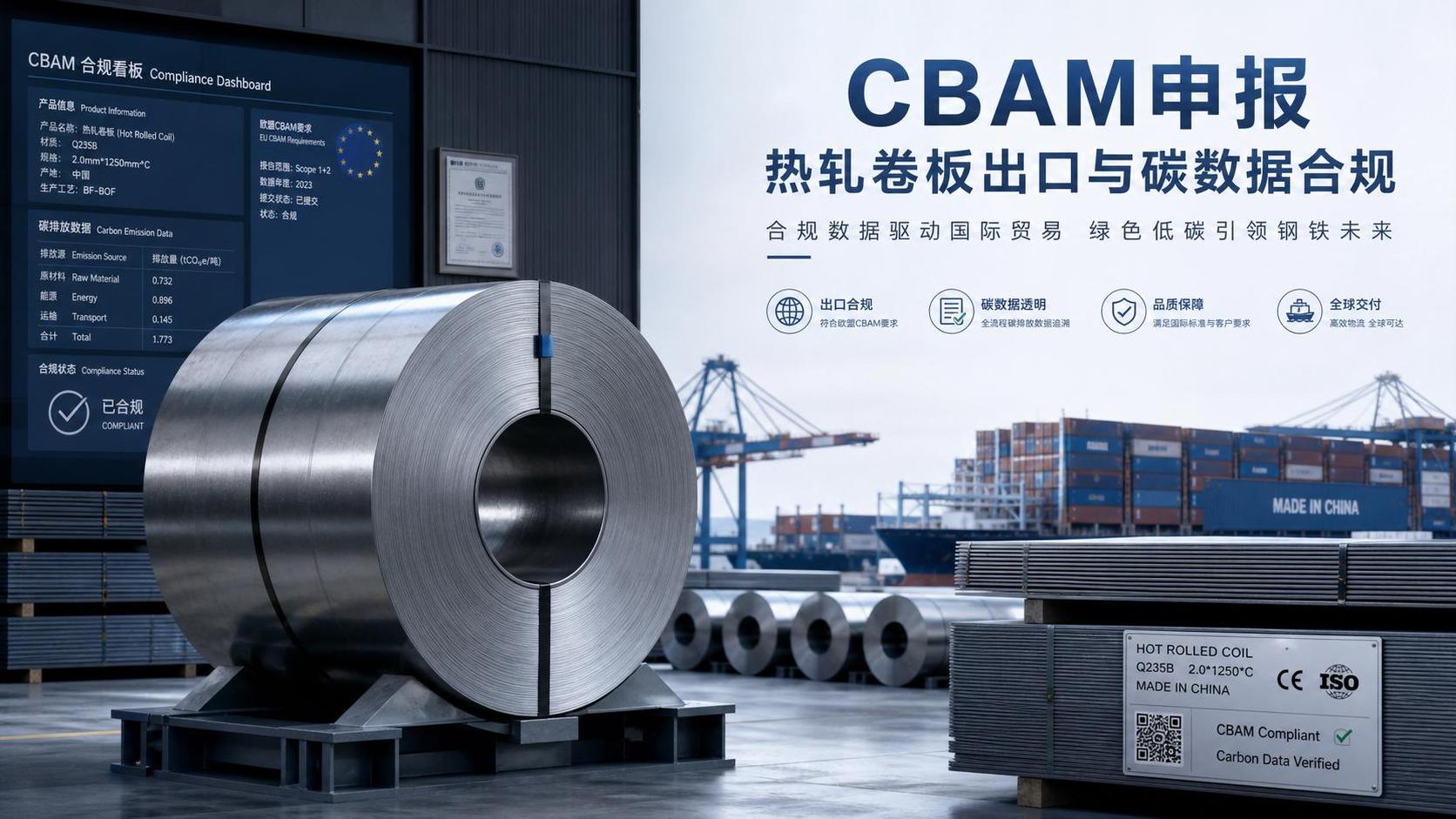
On July 1, 2026, the EU’s Carbon Border Adjustment Mechanism (CBAM) moves into a new execution stage for the steel trade, with importers required to begin quarterly reporting of emissions data and embedded carbon intensity for hot-rolled steel coil originating in China under HS 7208, 7210, and 7211. Because the filing must be completed through the CBAM Registry and tied to an EU authorized declarant, this development deserves attention well beyond compliance teams: it can affect customs timing, document preparation cycles, and commercial discussions around how reporting-related costs are allocated across the supply chain.
What Has Started on July 1
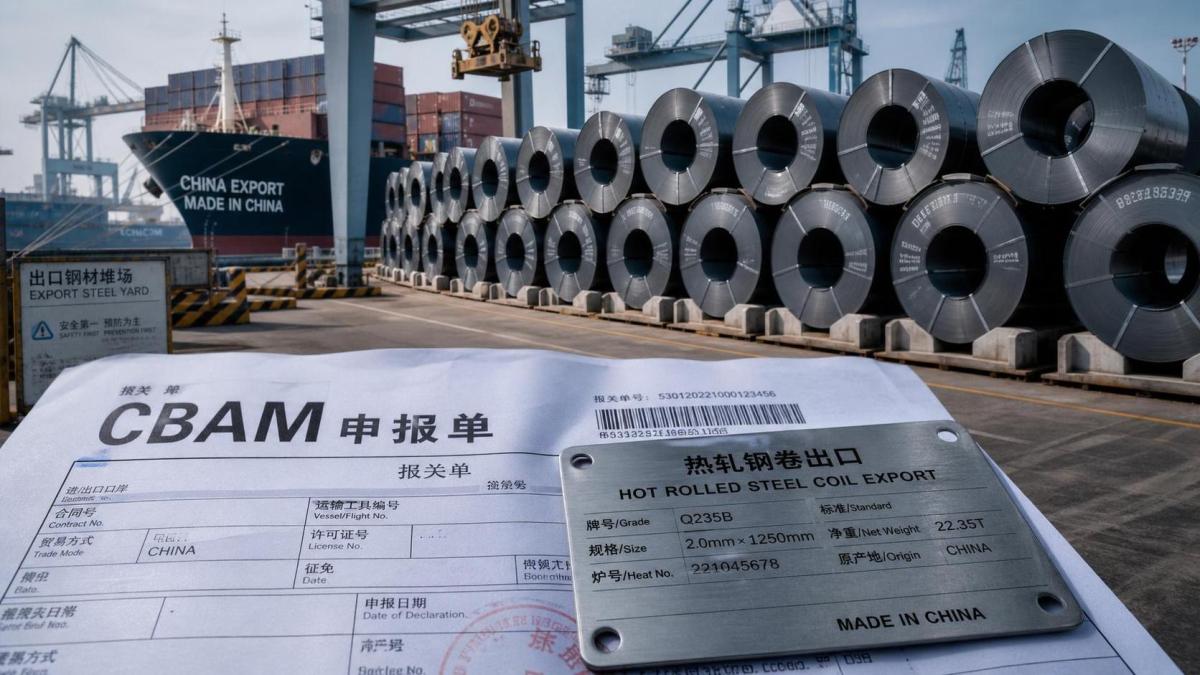
According to the information provided, the European Commission has formally notified the market that, from July 1, 2026, the transitional period of CBAM enters its second phase. For the first time, importers of hot-rolled steel coil originating in China are required to submit quarterly carbon emissions data and declarations of embedded carbon intensity. The covered product categories are HS 7208, 7210, and 7211. The filing must be completed through the CBAM Registry system and linked to the qualification of an EU authorized declarant.
The information provided also states that this requirement directly affects downstream customs clearance rhythm, document preparation timing, and potential negotiations over cost sharing for Chinese steel export businesses.
Where the Pressure Will First Appear in the Trade Chain
Export transactions may face earlier data requests
From an industry perspective, Chinese exporters connected to EU-bound hot-rolled coil shipments may be affected because the reporting obligation falls on import flows that now require quarterly emissions-related declarations. In practice, this can shift pressure upstream, with exporters needing to support buyers or import partners through earlier provision of product-related carbon information, shipment documents, and supporting technical records. What deserves closer attention is not only the filing itself, but also whether existing export documentation cycles are aligned with the importer’s quarterly reporting timetable.
Import-side customs coordination becomes more document-dependent
EU-side import handling may become more sensitive to whether the required filing is completed in the CBAM Registry and properly associated with an authorized declarant. Analysis shows that logistics scheduling, customs coordination, and handover timing between importer, broker, and supplier could become more dependent on document readiness than before. For market participants, the practical issue is not simply the existence of a new rule, but how filing readiness may affect operational sequencing.
Procurement and contract discussions may widen beyond price and tonnage
Buyers and suppliers involved in covered steel categories may need to revisit how contracts address reporting support, document responsibility, and possible cost allocation tied to CBAM compliance activity. Observably, the development may influence procurement discussions because the required declaration concerns embedded carbon intensity rather than only standard shipping or product specifications. That makes reporting support, record quality, and timing discipline more relevant in commercial negotiations.
Service providers may see more demand for coordinated compliance support
Supply chain service providers, including parties involved in customs, trade documentation, and compliance support, may also be affected because the process now requires interaction with the CBAM Registry and an authorized declarant framework. The likely impact is procedural rather than purely technical: businesses may need tighter coordination across filing, shipment documentation, and reporting deadlines. This is especially relevant where several parties share responsibility for export execution and import clearance.
What Companies Should Watch in Current Execution
Readiness of emissions-related supporting documents
Analysis shows that one immediate point of attention is whether the documents supporting quarterly emissions data and embedded carbon intensity declarations can be assembled in a timely and consistent manner. The information provided does not specify the full evidentiary standard, so companies should treat document completeness and internal traceability as an active watchpoint rather than assume that existing trade paperwork will be sufficient.
Alignment with the EU authorized declarant requirement
Because the filing must be linked to an EU authorized declarant, companies involved in covered trade flows should pay close attention to responsibility mapping between exporter, importer, and any intermediary handling customs or filing support. What deserves closer attention is whether commercial and operational teams clearly understand who is expected to provide which data, in what format, and by what deadline.
Delivery planning and reporting cycles
The notice directly points to effects on customs rhythm and document preparation cycles. It is therefore more appropriate to understand this change as an operational timing issue as much as a regulatory one. Businesses handling covered steel products should monitor whether shipment planning, internal approvals, and reporting preparation are moving on compatible timelines, especially where delivery commitments are tight.
Cost-sharing discussions are likely to become more structured
The information provided indicates potential negotiations over cost allocation. Observably, this does not yet confirm a uniform market practice, but it does suggest that companies should pay attention to how compliance-related work, data preparation effort, and any associated administrative burden are addressed in contracts, quotations, and supply arrangements.
Why This Looks Like an Execution Signal Rather Than a Distant Policy Headline
Analysis shows that this development is better understood as a live execution signal for a specific steel trade flow, not merely a general policy statement. The reason is straightforward: the notice identifies a start date, covered HS codes, a reporting frequency, a required declaration content, and a filing channel linked to declarant status. That combination usually matters most to companies when it begins to affect documents, handoffs, and shipment timing.
At the same time, it remains necessary to separate confirmed facts from broader market assumptions. The information provided does not establish how different importers will apply documentation requests in practice, how quickly counterparties will standardize workflows, or what market response will emerge in contracts and procurement behavior. Those points still require observation.
How This Development Is Best Read for Now
At this stage, the most reasonable reading is that CBAM reporting for covered Chinese hot-rolled coil has moved from a general policy framework into a more operational phase with direct implications for trade execution. The immediate significance lies in reporting readiness, document timing, and coordination with EU-side declarant requirements, rather than in any confirmed long-term market outcome.
From an industry perspective, this is not yet a basis for broad conclusions about final cost impact or lasting trade restructuring. It is more appropriate to understand it as a concrete compliance and delivery signal that companies in the affected product flow should follow closely as implementation practice becomes clearer.
Basis of This Article and What Still Needs Verification
This article is based on the user-provided news title, event date, and event summary. For developments of this kind, market participants would usually continue to track source types such as official announcements, regulator publications, customs or trade authority information, industry association updates, standards-related documents, and reporting from established industry media. A specific official source link was not provided in the input, so that point still requires further verification.
Further observation is also needed on practical implementation details, filing interpretation, documentation expectations, procurement document changes, market feedback, and how affected companies execute the requirement in day-to-day trade operations.
NEWS NAVIGATION
CONTACT US