
NEWS

On July 1, 2026, the U.S. Department of Commerce announced an expedited annual antidumping review covering Chinese exports of galvanized steel sheet under ASTM A653/A653M for the July-December 2025 period. For companies tied to U.S.-bound steel trade, this matters because the review is set to affect customs clearance timing, cash deposit adjustments, and the application of final duty orders for shipments from the third quarter of 2026 onward, putting importers, exporters, and supply-chain operators under renewed compliance pressure.
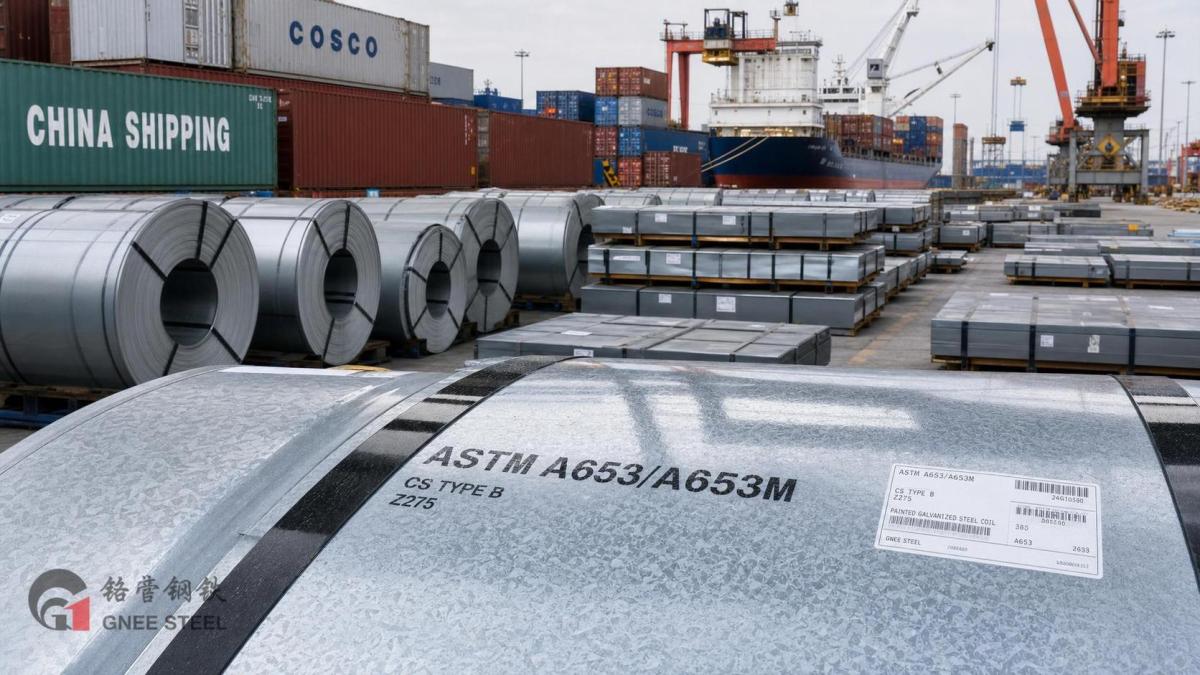
What the July 1 Announcement Confirms
The confirmed facts are limited but commercially significant. The review was announced on July 1, 2026 by the U.S. Department of Commerce. It is an expedited review linked to antidumping measures on galvanized steel sheet exported from China, and the product scope referenced in the input is ASTM A653/A653M. The review covers export data from July through December 2025.
The input also makes clear that the outcome of this process will directly affect U.S.-bound shipments starting in the third quarter of 2026, especially in three areas: customs clearance timing, deposit adjustments, and the application of the final duty order. In practical terms, importers are expected to reassess supplier qualifications and document compliance.
Where the Pressure May Appear Across the Supply Chain
Export transactions tied to U.S. delivery schedules
From an industry perspective, direct trading companies handling China-to-U.S. shipments may feel the earliest operational pressure. The reason is straightforward: when a review is underway and future treatment may change, delivery planning, customs preparation, and shipment timing become more sensitive. What deserves closer attention is whether Q3 2026 orders already in negotiation have enough flexibility in their delivery and documentation arrangements.
Import-side procurement and supplier screening
U.S. importers and procurement teams may be affected because the review is explicitly linked to supplier qualification and document compliance. Analysis shows that this is not only a pricing issue. It also touches vendor selection, internal approval steps, and the ability to support customs filings with complete and consistent paperwork. Companies relying on a narrow supplier base may need to review exposure at the transaction level.
Manufacturing and processing plans using galvanized steel sheet
Processors and manufacturers that depend on imported galvanized steel sheet for scheduled production may need to watch lead times more closely. Observably, if customs timing changes or deposit requirements are adjusted, the impact can extend beyond the trade transaction itself and into material availability, handover dates, and downstream production coordination. The key issue is not confirmed disruption, but higher execution uncertainty for U.S.-bound supply arrangements from Q3 2026.
Logistics and compliance service providers
Freight forwarders, customs brokers, and compliance service providers may also see more workload around classification support, documentation review, and shipment timing coordination. From an industry perspective, their role becomes more important when importers are reassessing documentation standards and supplier credentials rather than treating existing workflows as routine.
What Companies Should Track Now
Watch for later official wording, not just the launch notice
Analysis shows that the announcement of a review and the eventual operational effect are related but not identical. Companies should follow subsequent official wording that may clarify how the review affects duty treatment, timing, or filing expectations. The current signal is material, but the full business effect depends on how later steps are expressed and applied.
Check whether product scope and records align cleanly
Because the input specifically identifies ASTM A653/A653M, businesses should review whether internal product descriptions, commercial documents, and shipment records align consistently with the covered goods. This is a practical issue rather than a theoretical one, especially for transactions that may face closer document scrutiny.
Reassess supplier qualification and document readiness
The input explicitly points to renewed scrutiny of supplier qualifications and document compliance. What deserves closer attention is whether suppliers can support U.S.-bound orders with complete and consistent documentation across contracts, specifications, and shipment records. Any mismatch may become more costly when customs timing and duty treatment are under review.
Prepare clients and internal teams for Q3 2026 timing risk
Observably, the stated impact window beginning in the third quarter of 2026 gives companies a practical planning horizon. Procurement, sales, logistics, and customer-service teams may need aligned messaging on possible timing changes, deposit implications, and contingency handling for U.S.-bound orders. This does not confirm a specific outcome, but it does justify earlier coordination.
How This Development Is Best Understood
Analysis shows that this development is better understood as an active trade-compliance signal rather than a final market conclusion. The confirmed fact is the start of an expedited antidumping review and its relevance to Q3 2026 shipments. What remains unsettled, based on the information provided, is the exact operational and commercial effect on individual transactions.
From an industry perspective, the importance of this update lies in timing. It arrives early enough for market participants to examine supplier files, shipping documents, and order commitments before the affected shipment period begins. That makes it more than a routine notice, but still short of a confirmed end result.
Why the Market Should Keep This in View
At this stage, the industry significance is clear even without overstating the outcome. The review points to near-term execution risk for China-origin galvanized steel sheet shipped to the United States, especially around customs processing, deposits, and compliance review. It is more appropriate to understand this as a short-term operational development with broader policy relevance that still requires ongoing observation.
For businesses exposed to this trade flow, the practical issue is not to assume disruption in every case, but to treat documentation quality, supplier screening, and order timing as immediate management items. That is the most grounded reading of the information currently available.
Source Context and Verification Notes
This article is based on the user-provided news title, event date, and event summary. For developments of this kind, relevant source categories typically include official government announcements, company disclosures, industry association updates, authoritative media coverage, and applicable standard or product-scope documents.
No specific official source link was provided in the input, so the exact official publication path still requires follow-up verification. Further monitoring should focus on any later official clarification concerning customs timing, deposit adjustments, final duty order application, and document-compliance expectations for affected shipments.
NEWS NAVIGATION
CONTACT US