
NEWS
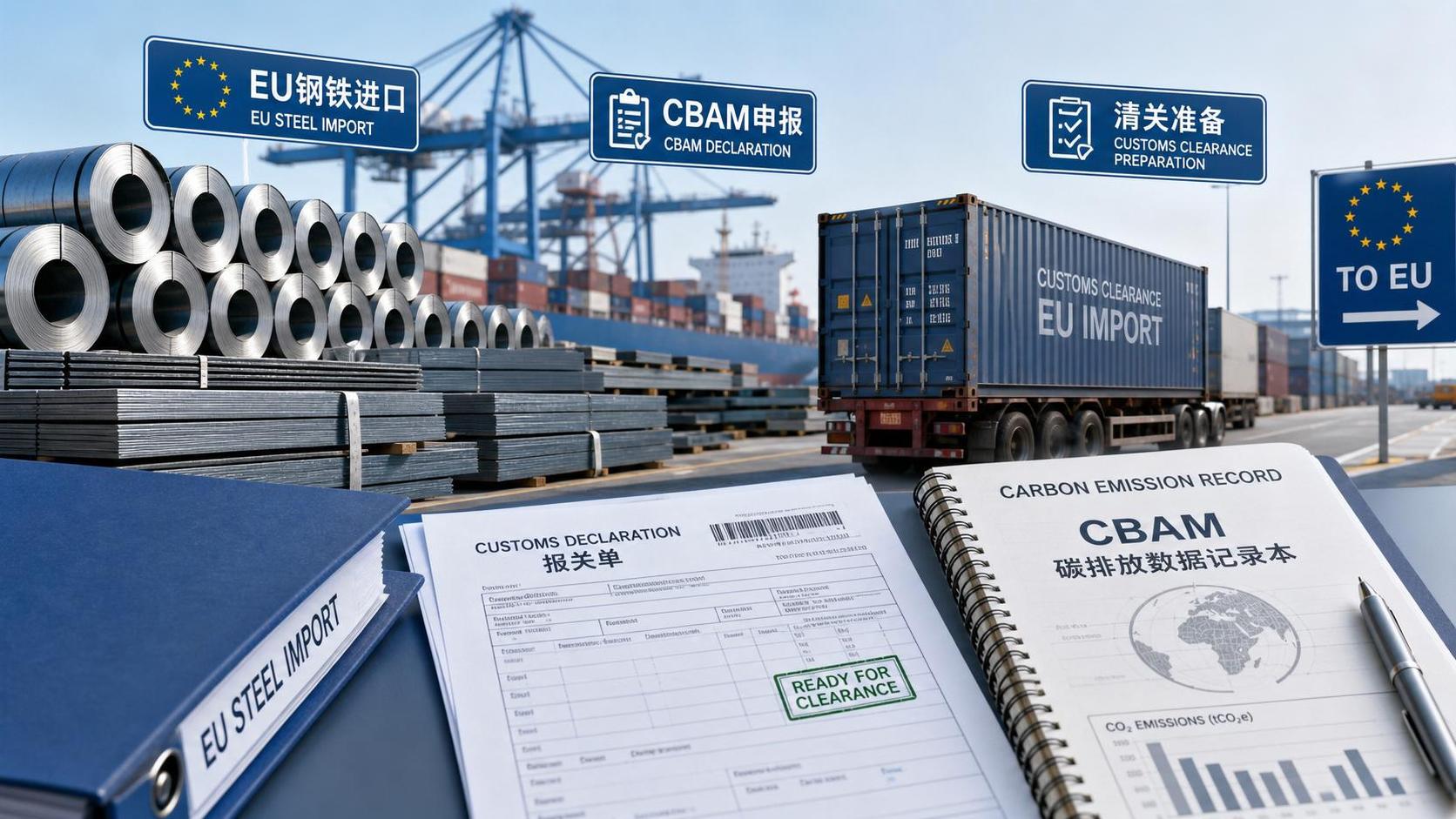
On July 9, 2026, the European Commission’s transitional implementation rules for CBAM in steel formally become mandatory, turning carbon reporting from a preparatory issue into an operational requirement tied directly to customs clearance. For direct importers sourcing steel into the EU from third countries, including Chinese suppliers, the immediate focus is no longer only trade flow but also registration, quarterly data submission, and document readiness. The development merits close attention because it links market access to carbon-related reporting discipline at the shipment level.
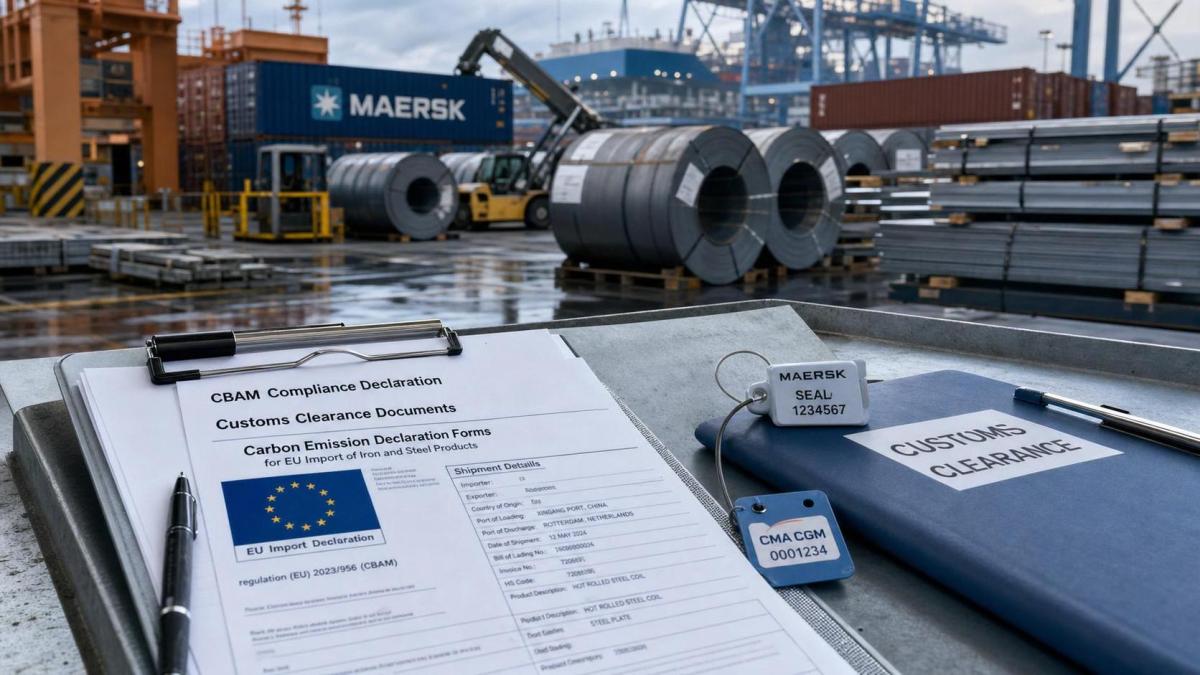
What the new steel transition rules require
According to the information provided, the European Commission has officially released the transitional implementation rules for CBAM covering steel products, and these rules become compulsory from July 9, 2026. Direct importers of steel products entering the EU from third-country exporters must complete registration in the CBAM central database. They must also submit quarterly declarations covering the embedded carbon emissions of each shipment and the carbon cost already paid. Non-compliant reporting may result in customs clearance delays or the return of goods.
Where the immediate pressure will be felt
Import-facing trade operations move to the front line
From an industry perspective, direct importers are the first group likely to feel the practical impact because the stated obligations are attached to registration and quarterly reporting. The main pressure point is operational: each shipment must be supported by emissions-related information and carbon cost data in a form that can be declared on time. What deserves closer attention is whether internal trade, customs, and compliance teams are aligned before cargo reaches the border.
Third-country steel suppliers become part of the reporting chain
Although the stated obligation falls on direct importers, third-country exporters, including Chinese suppliers mentioned in the provided information, are likely to be affected through customer requirements. Analysis shows that the reporting obligation can create upstream pressure for suppliers to provide shipment-level emissions data and supporting cost information in a usable and timely way. The key business impact is therefore likely to appear in buyer-supplier communication, order documentation, and delivery preparation.
Logistics and customs handling may face execution risk
Observably, the stated consequence of non-compliant reporting is not abstract. Customs clearance delays or returned goods can affect logistics scheduling, delivery reliability, and cargo handling arrangements. For supply chain service providers and customs-related operators, the issue is less about policy interpretation in general terms and more about whether the shipment file is complete when the goods move.
Downstream buyers may reassess transaction readiness
For procurement teams and downstream industrial buyers relying on imported steel, the rule change may influence supplier selection and transaction planning. Analysis shows that the concern is not only price or availability, but whether counterparties can support quarterly CBAM-related declarations without disrupting delivery. In practice, buyers may pay closer attention to documentary coordination and reporting readiness in cross-border transactions.
What companies should monitor now
Registration status cannot be treated as a last-step formality
The provided information makes clear that direct importers must be registered in the CBAM central database. For companies involved in EU-bound steel trade, this means registration status should be checked early rather than handled at the point of shipment. The practical issue is whether all responsible entities in the transaction are clearly identified before reporting obligations begin to apply.
Shipment-level emissions data needs to be organized in advance
Because quarterly declarations must cover the embedded emissions of each shipment, companies should pay close attention to how shipment-level carbon information is gathered, stored, and transferred between supplier and importer. What deserves closer attention is the quality and completeness of the data package attached to each batch, especially where multiple parties are involved in fulfillment.
Carbon cost records will matter alongside emissions reporting
The rules described in the input do not stop at emissions disclosure. Importers must also declare carbon costs already paid. Analysis shows that companies should therefore distinguish between general sustainability messaging and records that can actually support a quarterly declaration. The business question is whether the documentation used in commercial and supply chain processes can support this requirement without creating disputes or delays.
Customer communication and contingency planning should start early
Given that non-compliance may lead to delayed clearance or returned cargo, importers and suppliers should focus on communication before goods are dispatched. Observably, the most immediate risk sits in execution gaps: incomplete information, unclear document ownership, or late submission. For companies with recurring EU deliveries, contingency planning around documentation timing and handoff responsibilities is likely to become more important.
Why this looks like an operational signal, not just a policy headline
Analysis shows that this development is better understood as an operational compliance signal than as a broad market narrative on its own. The confirmed facts already indicate a direct link between CBAM reporting and the movement of steel shipments into the EU. At the same time, it is more appropriate to understand this as a transition-stage rule with concrete execution consequences, rather than as a complete picture of every future commercial impact. The main reason the sector needs to keep watching is that reporting obligations are now framed in a way that can directly affect shipment release.
How the market should read this stage
From an industry perspective, the July 9, 2026 effective date marks a near-term compliance shift for steel trade into the EU, especially for direct importers and their upstream suppliers. The confirmed information does not by itself establish broader market outcomes, but it does clearly show that carbon data handling has moved into the core transaction process. It is more appropriate to understand this update as a practical and immediate compliance development with wider implications still requiring continued observation.
Basis of this article and what still needs verification
This article is based on the user-provided news title, event date, and event summary. For developments of this type, market participants would typically continue to verify official notices, company disclosures, industry association updates, authoritative media reporting, and relevant standard or regulatory documents. A specific official source link was not provided in the input, so the exact underlying publication should still be checked on an ongoing basis. Areas that remain worth monitoring include any further official wording, implementation clarifications, and how reporting obligations are applied in actual shipment handling.
NEWS NAVIGATION
CONTACT US