
NEWS
On 19 May 2026, the European Parliament adopted new steel import control regulations by a decisive vote of 606 to 16. The measures enter into force on 1 July 2026 and significantly reshape trade compliance, customs clearance timelines, and cost structures for global exporters—particularly those engaged in third-country transshipment.
Key Regulatory Changes Confirmed
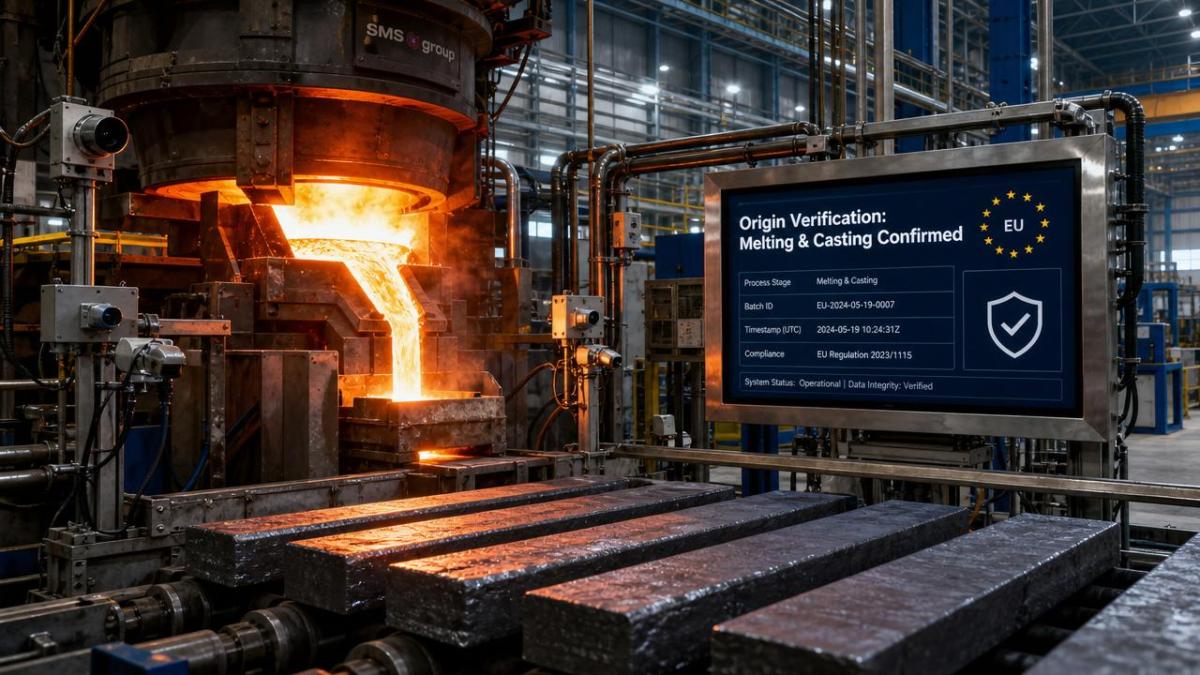
The newly approved regulation reduces the duty-free quota for steel imports into the EU by 47% to 18.3 million tonnes annually. For volumes exceeding this quota, the applied tariff rises sharply from 25% to 50%. Crucially, the regulation introduces, for the first time, a dual-origin verification requirement based on both melting and casting stages—targeting attempts to circumvent origin rules via processing or assembly in third countries.
Impact Across Supply Chain Roles
Direct Exporters
Exporters supplying steel directly to the EU face immediate cost pressure from higher tariffs and extended customs clearance due to mandatory origin documentation. Those relying on transshipment hubs—especially in Southeast Asia or Turkey—must now substantiate full production traceability back to primary melting and casting facilities.
Raw Material Procurement Firms
Procurement entities sourcing semi-finished or finished steel for EU-bound delivery must verify upstream smelting and casting records—not just mill certificates. This adds complexity to supplier qualification and increases due diligence lead times.
Steel Fabricators & Manufacturers
Fabricators incorporating imported steel into downstream products (e.g., structural components, machinery parts) risk classification as ‘origin-altering’ actors under the new criteria. Their ability to maintain EU market access hinges on demonstrating no substantial transformation occurred outside the originating country’s melting/casting stage.
Logistics & Trade Compliance Providers
Customs brokers, certification bodies, and supply chain auditors will see rising demand for origin attestation services—including metallurgical documentation review, facility verification, and tariff classification support aligned with the new dual-criteria framework.
Strategic Priorities for Affected Enterprises
Reassess Origin Documentation Systems
Companies must audit and upgrade internal systems to capture and retain verifiable evidence of both melting and casting locations—including furnace logs, ladle numbers, ingot/cast slab identifiers, and certified production schedules.
Review Transshipment Contracts & Supplier Agreements
Contracts with third-country processors must now explicitly address origin continuity, prohibit re-melting or re-casting without prior EU-compliant certification, and allocate liability for non-compliance penalties.
Engage Early with EU Customs Authorities
Proactive binding origin rulings (BOOs) or advance tariff classifications should be sought where product pathways involve multi-stage processing—especially when casting occurs separately from melting.
Update Technical & Tender Documentation
Technical specifications, tender submissions, and EU Declaration of Conformity templates must integrate origin statements covering both melting and casting steps—not merely final manufacturing location.
Industry Observation: Beyond Tariff Headlines
Analysis shows this regulation marks a structural shift—from volume-based trade safeguards toward process-based origin enforcement. Observably, the ‘melting and casting’ test raises the technical and administrative threshold for proving origin, effectively transforming metallurgical process knowledge into a core trade compliance competency. It is more appropriate to understand this as a de facto harmonisation of origin rules with production technology standards—not just customs policy. What deserves closer attention is how national authorities interpret ‘substantial transformation’ at the casting stage, particularly for continuous casting or electro-slag remelting operations.
Toward Sustainable Market Access
This regulation does not signal blanket exclusion—but rather redefines the baseline for legitimate participation in the EU steel market. Success will depend less on tariff optimisation and more on transparent, auditable, and technically grounded origin stewardship across the entire value chain. A measured, evidence-led approach to compliance—rather than reactive adaptation—will determine long-term competitiveness.
Source Information & Verification Notes
This article is generated exclusively from the user-provided title, event date (19 May 2026), and summary text. Specific official source links were not provided in the input and should be verified continuously. Stakeholders are advised to monitor forthcoming implementing acts from the European Commission, guidance notes from EU customs administrations, and updates from notified bodies accredited for origin verification—particularly regarding evidentiary thresholds for melting/casting attribution and transitional arrangements for existing shipments.
NEWS NAVIGATION
CONTACT US