
NEWS
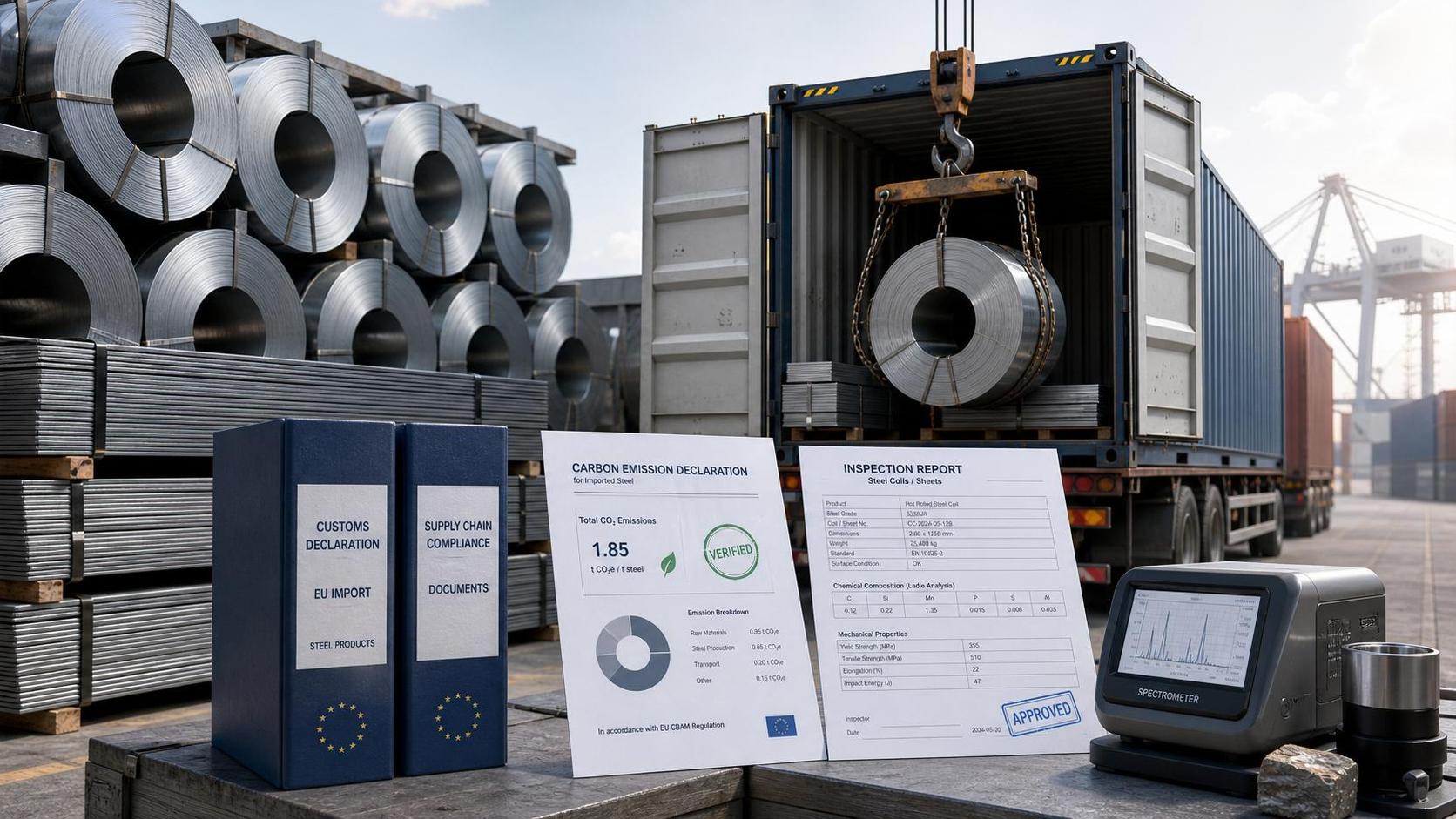
On July 13, 2026, the EU put the CBAM transition reporting requirement into full effect for steel imports, bringing quarterly embedded-emissions reporting and third-party verification into the routine compliance process for steel exporters to the European market, including Chinese suppliers. For manufacturers, importers, buyers, and supply chain operators, the immediate issue is not only regulatory filing itself, but also the effect on documentation readiness, customs timing, and procurement coordination.
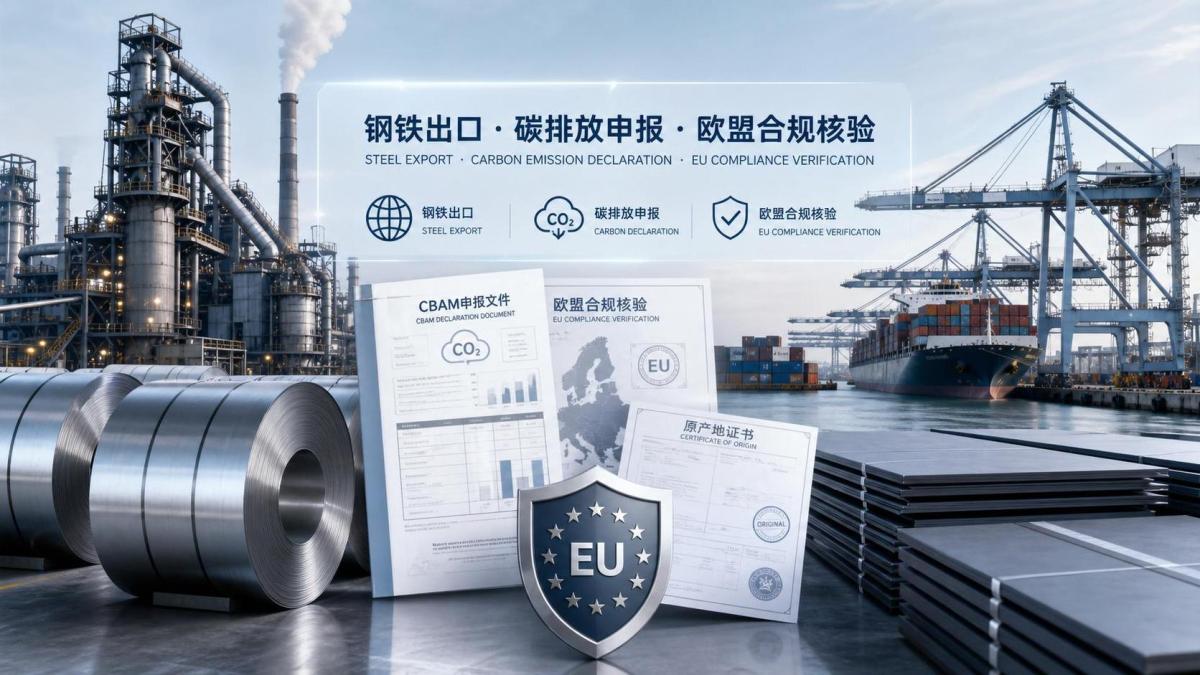
What the new requirement now covers
According to the provided information, the CBAM transition period has formally expanded to cover steel product imports into the EU from July 13, 2026. Manufacturers exporting steel to the EU are required to submit quarterly data on embedded carbon emissions together with third-party verification reports. The rule directly affects compliance costs, customs clearance efficiency, and buyer procurement procedures. Companies that do not meet the requirement may face delayed release of goods or be asked to provide additional technical documentation.
Where the pressure is likely to appear first
Export manufacturers face a documentation-based compliance burden
From an industry perspective, steel producers and processors shipping to the EU are likely to feel the first operational impact because the reporting obligation is tied to product-level emissions disclosure and supporting verification. The main business pressure points are likely to be internal data preparation, coordination with verifiers, and the ability to provide technically consistent documents on schedule.
Import-side purchasing teams may tighten supplier review
Analysis shows that EU-facing buyers and procurement teams may need to spend more time checking whether suppliers can provide complete emissions data and verification materials on a quarterly basis. The impact is likely to show up in supplier selection, order confirmation timing, and document review before shipment or customs processing.
Logistics and customs-facing service providers may see higher coordination demands
Observably, service providers involved in shipping, customs handling, and trade documentation may also be affected because delayed or incomplete reporting can influence release timing. What deserves closer attention is the increased need to align technical files, reporting records, and shipment documents across multiple parties in the same transaction.
What companies should watch in day-to-day operations
Keep reporting and verification cycles aligned with shipment planning
For companies exporting steel to the EU, one practical issue is whether quarterly emissions reporting and third-party verification can be matched with actual delivery schedules. Where reporting cycles and shipment cycles are out of sync, clearance risk and communication costs may rise.
Check whether technical files can support customs and buyer inquiries
The provided information indicates that non-compliant companies may be asked for additional technical documents. In practice, businesses should pay attention to whether product-related emissions records, verification materials, and supporting files can be retrieved quickly and presented in a form acceptable to customers and border-facing processes.
Review supplier readiness before it affects procurement decisions
For buyers and intermediaries, the key issue is not only whether a supplier can ship product, but whether that supplier can support the reporting requirement consistently. Analysis shows that supplier qualification may increasingly include documentation capability, response speed, and the reliability of verification arrangements.
Separate policy wording from execution risk
What deserves closer attention is the difference between a formal reporting obligation and the way it affects actual transactions. Even when the rule is clearly stated, the business consequence may appear through delayed release, extra document requests, or slower procurement approval rather than through one single operational point. Companies should therefore track both the rule itself and its execution in live orders.
Why this matters beyond a single filing obligation
Observably, this development can be read as more than a routine administrative update. It signals that carbon-related reporting is becoming part of normal trade handling for steel exports into the EU market during the transition period. At the same time, based on the provided information alone, it would be premature to treat this as a fully settled long-term outcome for every business scenario. It is more appropriate to understand this as a concrete compliance step with broader operational implications that still require continued observation in practice.
How this update is best understood now
At this stage, the main significance of the July 13, 2026 development is that carbon reporting for steel exports to the EU has moved closer to day-to-day execution, affecting not just regulatory teams but also sales, procurement, documentation, and delivery coordination. A neutral reading is that this is both an immediate short-term operational change and a longer-term policy signal, with the strongest near-term impact likely to be felt in compliance preparation and transaction efficiency.
Basis of this article and points for follow-up
This article is based on the user-provided news title, event date, and event summary. For this type of industry update, commonly relevant source categories may include official notices, company disclosures, industry association updates, authoritative media coverage, and standards-related documents. No specific official source link was provided in the input, so the exact official reference still needs to be verified on an ongoing basis. Follow-up attention should remain on any further official wording, implementation details, and how documentation and verification requirements are applied in actual cross-border steel trade workflows.
NEWS NAVIGATION
CONTACT US