
NEWS
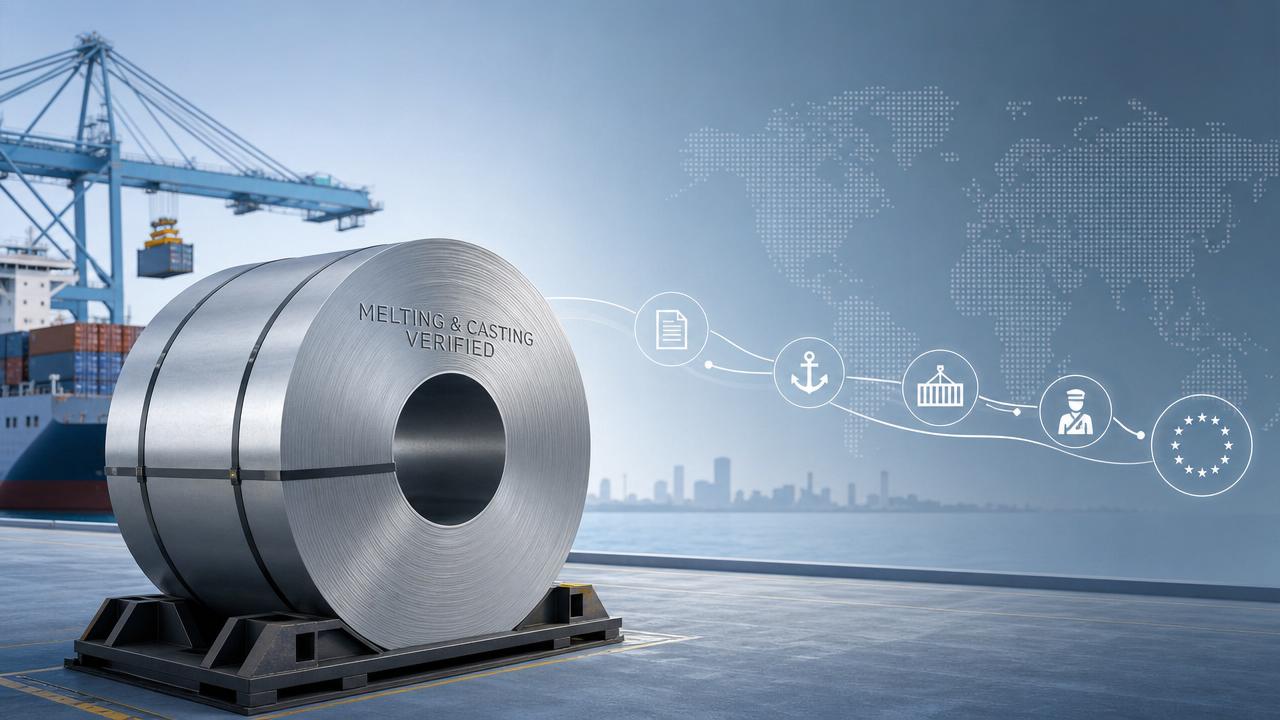
The European Union’s new steel import regulation—adopted by the European Parliament on 19 May 2026 and entering into force on 1 July 2026—introduces significantly stricter market access requirements for Chinese steel products, directly impacting global supply chains, procurement strategies, and compliance workflows across the metals and manufacturing sectors.
Key Regulatory Changes Confirmed
On 19 May 2026, the European Parliament approved the revised steel import framework with 606 votes in favour. Under the new rules, the annual duty-free quota for steel imports from China is reduced sharply—from 34.5 million tonnes to 18.3 million tonnes. For volumes exceeding this revised quota, the tariff rate rises from 25% to 50%. The measure takes effect on 1 July 2026. Additionally, a new origin verification requirement—focusing specifically on the ‘melting and casting’ stage—is introduced to counter circumvention via third-country transshipment.
Impact Across Supply Chain Roles
Direct Trading Enterprises
Exporters and international traders face immediate margin pressure due to the doubled over-quota tariff. The new ‘melting and casting’ origin certification adds procedural complexity and documentation lead time, extending customs clearance cycles and increasing pre-shipment compliance overhead.
Raw Material Procurement Entities
Buyers sourcing semi-finished or alloyed steel inputs must now verify upstream production process records—not just final product origin—to meet EU customs requirements. This shifts procurement due diligence upstream and may necessitate contractual revisions with Chinese suppliers.
Processing and Manufacturing Firms
Downstream fabricators relying on imported Chinese steel billets, slabs, or coils face higher landed costs and greater uncertainty in cost forecasting. Production planning must now account for potential delays arising from origin verification bottlenecks at EU ports.
Supply Chain Service Providers
Freight forwarders, customs brokers, and certification bodies will see increased demand for technical documentation review, metallurgical traceability support, and origin attestation services—particularly those capable of validating furnace batch records and casting logs.
Critical Compliance Priorities for Exporters
Strengthen Origin Documentation for Melting & Casting Stages
Companies must prepare auditable records—including furnace numbers, melt dates, ladle identification, and continuous casting logs—that can be independently verified by EU customs authorities. Generic certificates of origin are no longer sufficient.
Reassess Quota Utilisation and Shipment Timing
With the quota cut by nearly 47%, exporters should monitor real-time quota consumption data (where available) and align shipment schedules to avoid sudden tariff surges mid-year. Diversification of consignment sizes and destinations may mitigate risk.
Engage Early with EU Importers on Contractual Terms
New Incoterms—especially those assigning origin verification responsibilities (e.g., FCA with defined documentation obligations)—should be clarified and formalised well ahead of 1 July 2026 to prevent disputes during customs clearance.
Industry Observation: Beyond Tariffs, a Shift in Technical Gatekeeping
Analysis shows that the introduction of ‘melting and casting’ verification marks a strategic evolution: the EU is shifting from volume-based trade defence to process-based technical gatekeeping. What deserves closer attention is how this precedent may extend to other intermediate goods—such as aluminium extrusions, stainless flat products, or forged components—where metallurgical provenance is similarly traceable. Observably, compliance is no longer solely about classification or value declaration; it now hinges on verifiable, stage-specific production data. From an industry perspective, this elevates the importance of digital manufacturing recordkeeping and cross-border data interoperability among mills, processors, and certifiers.
Strategic Implications for Global Metal Trade
This regulation signals a broader recalibration of EU industrial policy—prioritising domestic capacity resilience and supply chain transparency over pure cost competitiveness. While the immediate impact falls most heavily on Chinese exporters and their EU trading partners, the long-term implication is a structural increase in the compliance burden for all non-EU steel suppliers seeking preferential access. It is more appropriate to understand this as a step toward harmonised, process-level origin standards—not merely a temporary trade barrier.
Source Attribution and Monitoring Guidance
This article is generated exclusively from the user-provided title, event date (2026-07-01), and summary text. Specific official source links were not provided in the input and should be verified continuously. Stakeholders are advised to monitor forthcoming implementing acts from the European Commission, guidance documents from EU customs authorities, updates to the Union Customs Code (UCC) Annexes, and evolving interpretations of the ‘melting and casting’ verification criteria in Member State practice.
NEWS NAVIGATION
CONTACT US