
NEWS
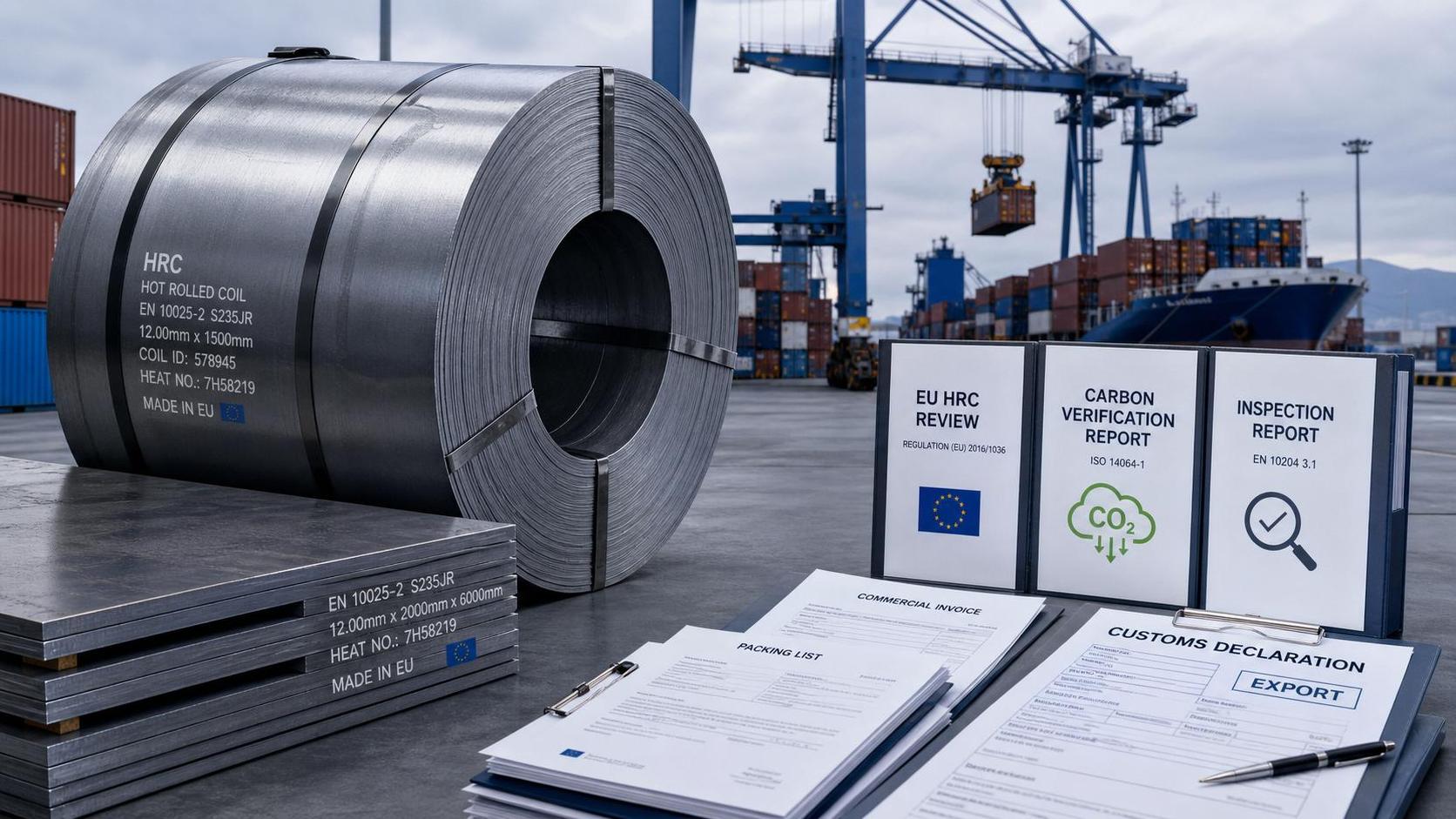
On July 18, 2026, the European Commission formally opened an interim review of anti-dumping measures on hot-rolled steel coil from China under HS 7208 and 7211, while also bringing embedded carbon emissions data linked to CBAM into the compliance review. For Chinese exporters, this adds a direct documentation requirement around third-party verified LCA reports and proof of electricity sources; for EU importers, distributors, and downstream manufacturers, the immediate concern is a longer purchasing cycle, more complex customs paperwork, and an estimated 12-18% increase in compliance costs.
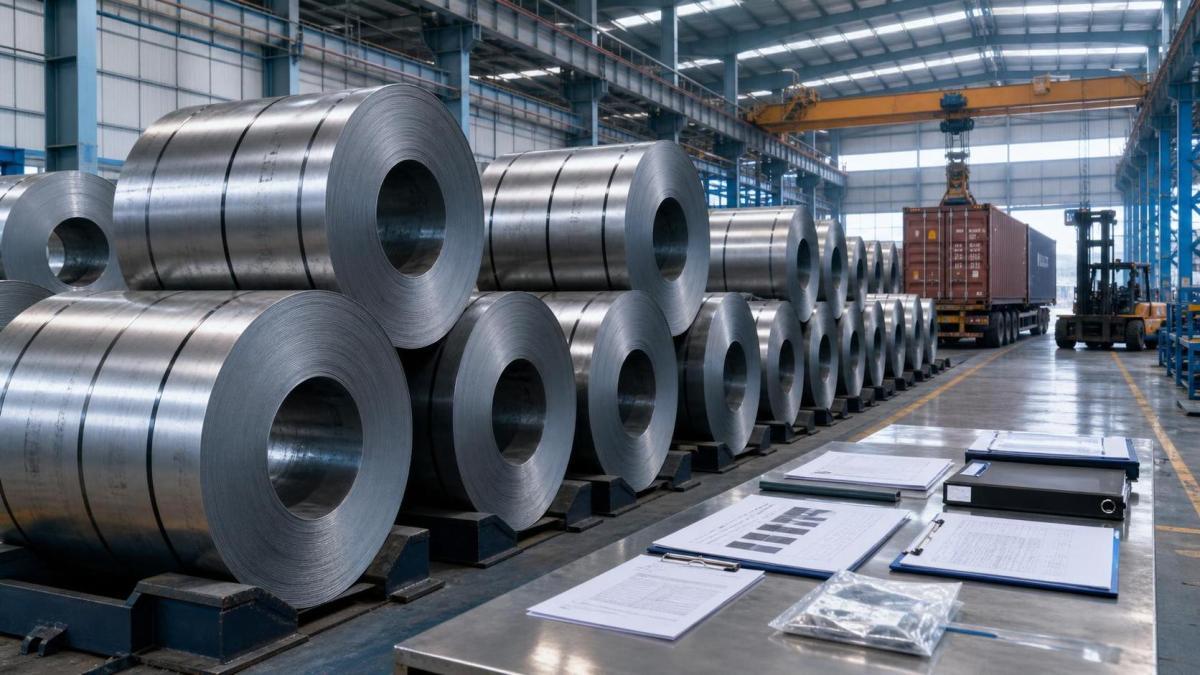
What the Commission has formally put into scope
The confirmed facts are limited but material. The European Commission announced on July 18, 2026 that it is launching an interim review of existing anti-dumping measures covering Chinese hot-rolled steel coil. The products referenced are under HS 7208 and HS 7211.
The review is notable because it newly includes embedded carbon emissions in the compliance assessment, specifically carbon data associated with CBAM. As described in the event summary, Chinese exporters shipping to the EU are directly affected because they must submit both an LCA report verified by an accredited third party and proof of electricity source.
The same summary states that EU importers, distributors, and downstream manufacturers should expect longer procurement cycles, greater complexity in customs documentation, and a compliance cost increase estimated at 12-18%.
Where the pressure is likely to appear along the chain
Export-side documentation becomes a delivery issue
From an industry perspective, Chinese exporters are likely to feel the impact first because the new review scope ties market access more closely to documentation readiness. The practical pressure point is not only product shipment, but the ability to assemble verified LCA materials and electricity source evidence in time for EU delivery requirements.
EU buyers face a slower purchasing timetable
For EU importers and procurement teams, the likely impact is operational. The event summary already points to longer purchasing cycles, which means supplier selection, order confirmation, and import preparation may all take more time when carbon-related files must move alongside trade compliance documents.
Distributors and downstream manufacturers may see planning friction
Distributors and downstream manufacturing users are also within the affected group named in the summary. Analysis shows their exposure is less about the legal review itself and more about timing, file completeness, and landed-cost visibility. Where procurement depends on Chinese hot-rolled coil, any delay or missing verification could affect order planning, customs handling, and cost estimates.
What companies should watch now
The exact compliance package required for shipment support
What deserves closer attention is the linkage between anti-dumping review compliance and CBAM-related carbon data. Companies involved in these flows should watch how the required LCA documentation and electricity source proof are defined and presented in practice, because the business burden will depend on whether suppliers can produce complete, accepted files on time.
Supplier readiness and third-party verification capacity
For buyers and traders, an immediate point of focus is whether existing suppliers are prepared to provide accredited third-party verified LCA reports. Even without adding assumptions beyond the supplied facts, the requirement itself suggests that supplier qualification may now depend not only on product and price, but also on documentation capability.
Procurement calendars and customs file preparation
Companies handling EU-bound orders should also focus on internal timing. The supplied information indicates that procurement cycles will lengthen and customs paperwork will become more complex. In practice, that makes scheduling, document collection, and customer communication more sensitive than before, especially where delivery commitments are tight.
Cost discussions with customers and counterparties
The estimated 12-18% increase in compliance costs is another issue that commercial teams will need to track closely. Observably, this does not by itself define the final pricing outcome, but it does mean importers, distributors, and manufacturing buyers may need to revisit how compliance-related costs are discussed in quotations, contracts, and delivery planning.
Why this looks bigger than a routine trade update
Analysis shows this development is not only about the continuation or adjustment of an anti-dumping framework. It also signals that trade remedy review and carbon-related compliance are being brought closer together in the handling of steel imports. That does not yet establish a final market outcome, but it does indicate a more document-intensive compliance environment for the affected product category.
It is more appropriate to understand this as both a near-term operational change and a longer-term policy signal. The short-term issue is paperwork, verification, timing, and cost. The longer-term issue is whether carbon-accounting evidence becomes a more regular part of market access assessment in similar trade cases.
How this news is best understood at this stage
At this point, the most balanced reading is that the July 18 announcement creates an immediate compliance burden for Chinese exporters of hot-rolled steel coil and adds operational pressure for EU-side buyers and users. The facts already provided are enough to show likely strain on documentation, procurement timing, customs preparation, and compliance spending.
At the same time, this is better understood as a development that still requires close observation rather than a fully settled end result. The review has started, the carbon-check requirement has entered the frame, and the affected businesses now need to watch how those requirements are applied in real transactions.
Basis of this article and what still needs verification
This article is based on the user-provided news title, event date, and event summary. The content has been written from those supplied details only.
For this type of industry update, relevant source categories would typically include official government or regulator notices, company disclosures, industry association updates, authoritative media reporting, and standards-related documents. A specific official source link was not provided in the input, so the underlying notice and any later clarifications still need ongoing verification.
Further observation should focus on any updated official wording around documentation requirements, the practical acceptance standard for third-party verified LCA reports, and how the added carbon-data review affects transaction timing and customs processing for HS 7208 and HS 7211 shipments.
NEWS NAVIGATION
CONTACT US