
NEWS
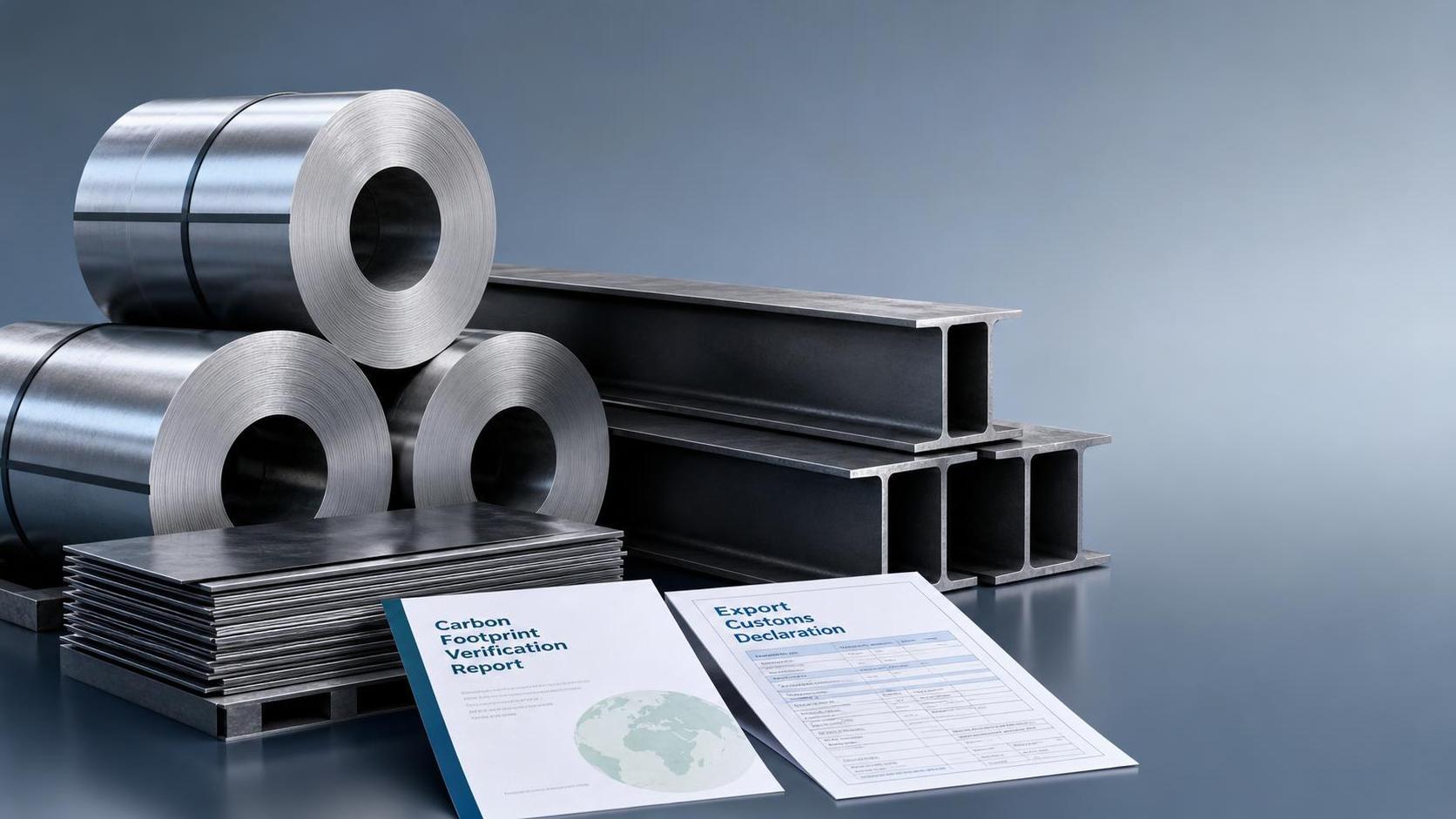
China’s customs authority is set to introduce a new compliance requirement for selected steel exports on August 1, 2026, adding carbon footprint disclosure directly to the customs filing process. The change is immediately relevant to exporters of hot-rolled coil, cold-rolled sheet, H-beams, and stainless steel semi-finished products, as well as overseas buyers and supply chain teams serving markets such as the EU, South Korea, and Canada, where embedded carbon is already tied to green procurement thresholds. For the industry, the development is worth close attention because it links export clearance with third-party carbon verification rather than treating carbon data as a separate commercial matter.
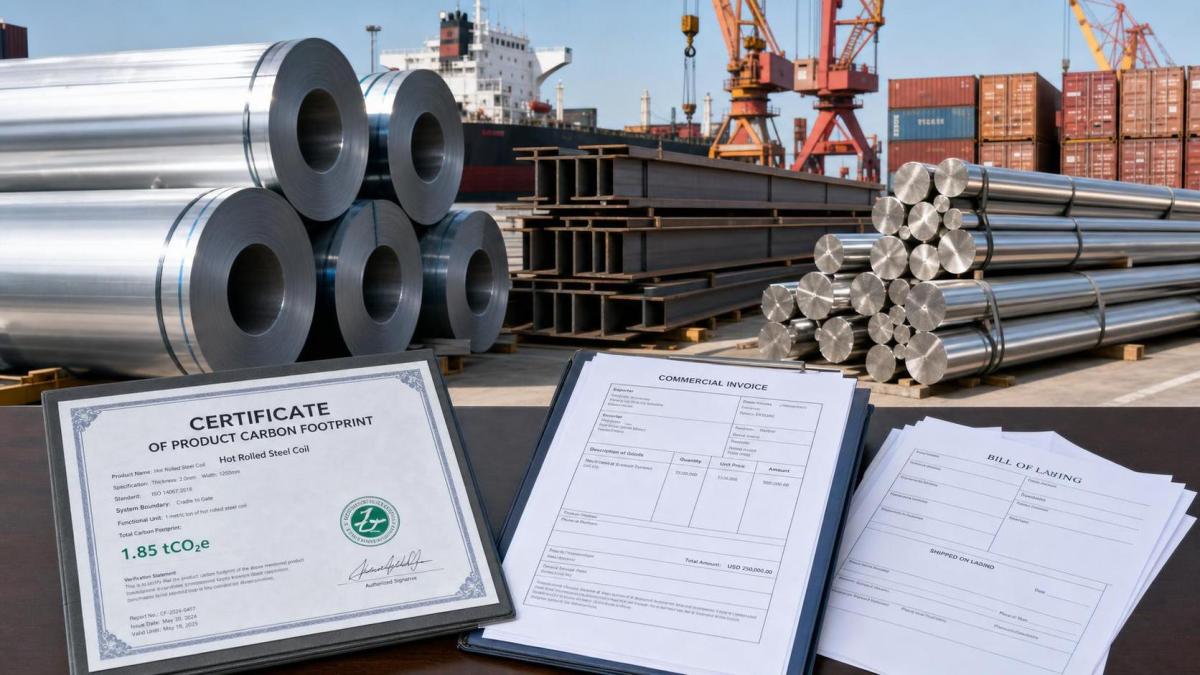
What the new filing requirement covers
According to the information provided, the General Administration of Customs of China issued an announcement on July 23, 2026, titled Notice on the Implementation of Carbon Footprint Information Declaration for the Export of Certain Steel Products (Shu Mao Fa [2026] No. 42). The notice requires all companies exporting hot-rolled coil, cold-rolled sheet, H-beams, and stainless steel semi-finished products to submit a third-party carbon footprint verification report during customs declaration from August 1, 2026.
The required report must be issued by a third-party body accredited by CNAS. The information provided also indicates that the requirement has direct relevance for import markets including the EU, South Korea, and Canada, where embedded carbon has already been incorporated into green procurement thresholds. Overseas importers are expected to coordinate certification preparation with Chinese suppliers in advance, or they may face customs clearance delays or the risk of returned shipments.
Where the operational pressure is likely to appear first
Exporters dealing in covered steel categories
From an industry perspective, the most immediate impact is on companies that directly export the listed steel products. The reason is straightforward: the new rule applies at the customs declaration stage, so compliance affects whether shipments can move through export procedures without disruption. What deserves closer attention is the interaction between production scheduling, document readiness, and the timing of third-party verification.
Overseas buyers in carbon-sensitive procurement markets
Importers in the EU, South Korea, and Canada may also feel the effect quickly because their procurement requirements already take embedded carbon into account. Analysis shows that their exposure is not limited to sustainability reporting; it extends to shipment acceptance, customs timing, and supply continuity. In practice, buyers will need to confirm whether Chinese suppliers can provide compliant verification materials before cargo is dispatched.
Supply chain and customs service providers
Observably, freight coordinators, customs brokers, and related service providers may face additional coordination work even though the rule is directed at exporters. The likely pressure point is document completeness at filing, especially where export schedules are tight or multiple parties are involved in preparing shipment files. These participants should watch for how document review, handoff timing, and exception handling evolve after the rule takes effect.
Downstream manufacturers and project buyers
Manufacturers and project-based purchasers using the covered steel products may not be the direct filing party, but they can still be affected if upstream export deliveries slow or require additional certification lead time. From an industry perspective, the main issue is not only price or sourcing, but whether delivery commitments remain aligned with customs and documentation readiness.
What companies should focus on now
Check whether product scope matches current export business
Companies should first verify whether their export portfolio includes any of the product categories explicitly named in the requirement: hot-rolled coil, cold-rolled sheet, H-beams, and stainless steel semi-finished products. This is the practical starting point because the rule is product-specific, and the compliance workload will be concentrated where those categories are involved.
Confirm the status of third-party verification capacity
The new requirement is tied to a third-party carbon footprint verification report issued by a CNAS-accredited body. Analysis shows that exporters and overseas buyers should pay close attention to whether the needed verification arrangement is already in place, who is responsible for obtaining it, and whether the documentation timeline fits planned customs filing and shipment dates.
Prepare for customs timing and document coordination
What deserves closer attention is the difference between policy wording and shipment execution. A filing requirement may appear narrow on paper, but its operational effect often shows up in document sequencing, handover between supplier and buyer, and the ability to resolve missing materials before customs submission. Businesses should therefore focus on internal document checks, supplier communication, and delivery contingency planning.
Track how import-market expectations align with the new rule
Because the affected markets named in the provided information already use embedded carbon in procurement thresholds, companies should not treat the customs requirement as an isolated domestic filing matter. Observably, the commercial side and the customs side are becoming more closely linked. That makes customer communication, contract execution timing, and pre-shipment confirmation more important in the near term.
Why this matters beyond a single filing rule
Analysis shows that this development is more important as a trade-compliance signal than as a standalone paperwork update. The confirmed fact is limited to a new customs filing requirement for certain steel exports, but the broader industry meaning is that carbon-related information is moving closer to the center of export execution for covered products. It is more appropriate to understand this as both an immediate operational change and a longer-term signal that carbon verification may carry more weight in cross-border steel trade where procurement standards are already tightening.
At the same time, this should still be treated as a dynamic area that requires continued observation. The rule is confirmed, but how consistently it affects lead times, supplier coordination, and market behavior will depend on implementation in actual trade flows. For that reason, the industry should distinguish between the existence of the requirement, which is already clear, and its full commercial impact, which still needs to be observed in practice.
How the industry is likely to read the change for now
At this stage, the clearest takeaway is that carbon footprint verification for the specified steel categories is no longer only a customer-side or market-access discussion; it is becoming part of the export process itself. From an industry perspective, the near-term priority is operational readiness rather than broad strategic conclusions. It is more appropriate to understand this news as an actionable compliance change with wider signaling value, rather than as a final indicator of how all steel trade requirements will evolve.
Basis of this article and points for further verification
This article is based on the user-provided news title, event date, and event summary concerning the August 1, 2026 customs requirement for carbon footprint information declaration on certain steel exports. For this type of development, commonly relevant source categories may include official government notices, company disclosures, industry association updates, authoritative media reporting, and documents issued by standards or accreditation bodies.
No specific official source link was provided in the input, so the exact official link remains to be verified on an ongoing basis. Areas that still warrant follow-up include any further official clarification on implementation details, any changes in filing practice after the effective date, and how exporters and overseas buyers adjust documentation and delivery arrangements in response.
NEWS NAVIGATION
CONTACT US