
NEWS
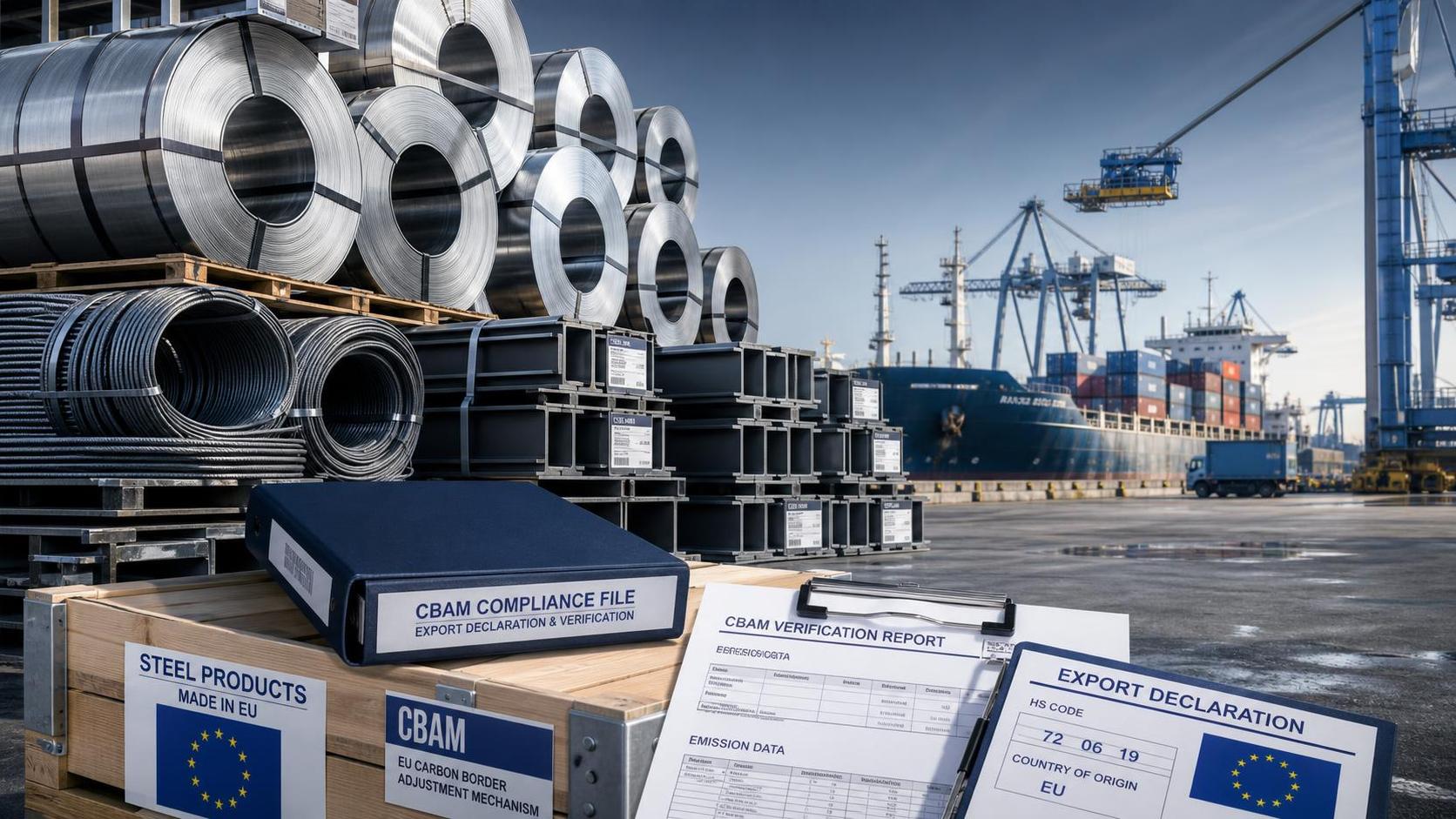
On August 1, 2026, the European Commission formally began the first mandatory CBAM verification round for steel products, turning carbon reporting for certain exports to the EU into a practical customs requirement rather than a distant compliance topic. For Chinese exporters of products such as hot-rolled coil, wire rod, and sections, the change matters because import declarations must now be accompanied by third-party verified embedded emissions data and supporting electricity and fuel purchase records, with direct implications for customs clearance, delivery timing, and contract performance.
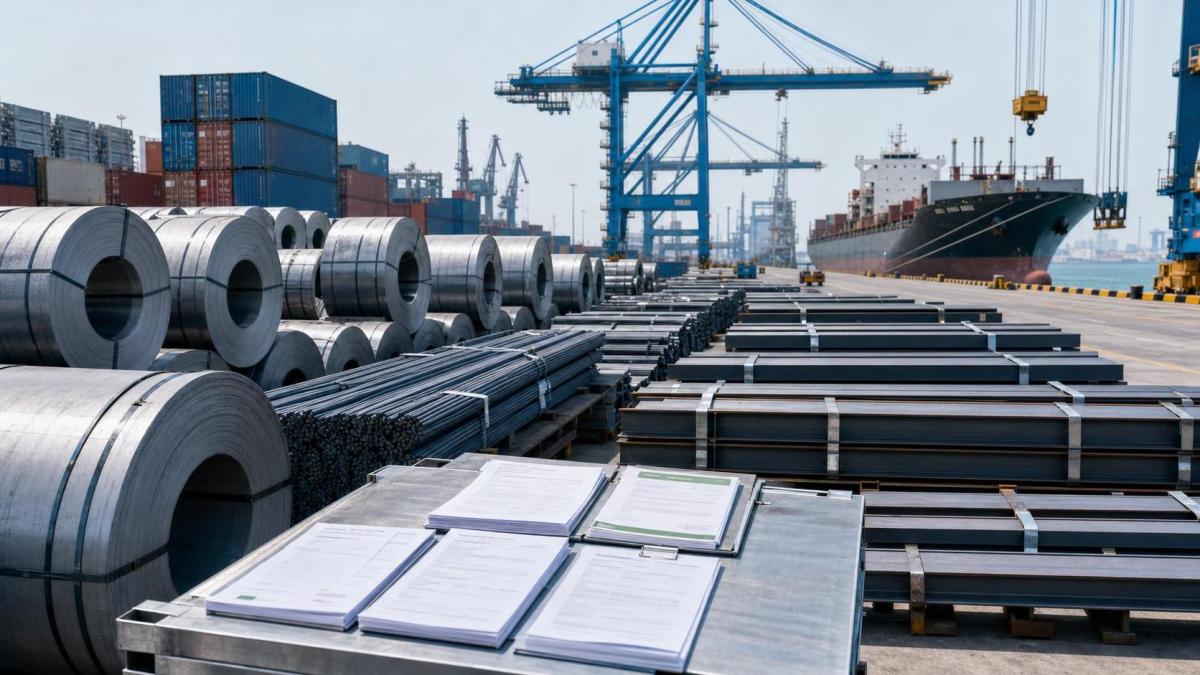
What Has Now Entered Mandatory Verification
The confirmed change is that the European Commission started the first compulsory verification of carbon emissions data under CBAM for steel products on August 1, 2026. The scope covers major export categories including hot-rolled coil, wire rod, and sections. Chinese steel exporters shipping these products to the EU are required to submit, at the time of import declaration, verified embedded carbon emissions data issued by a recognized third party, together with electricity and fuel procurement evidence. Where the required materials are not submitted in compliance with the requirement, customs clearance may be delayed or the goods may be held temporarily, which can directly affect delivery schedules and contractual execution.
Where the Pressure Appears Along the Trade Chain
Export shipments now depend on document readiness
For export-oriented steel producers and trading companies, the immediate impact lies in the customs filing stage. The issue is no longer limited to pricing or market access in a general sense; it now reaches the operational point where goods move through clearance. What deserves closer attention is whether embedded emissions data and procurement vouchers are complete, verifiable, and aligned with the import declaration timing.
Purchasing and production records become part of trade compliance
For manufacturers and processing businesses supplying steel into EU-bound orders, the requirement connects production-related records with export execution. Electricity and fuel purchase documents are specifically part of the required submission set, which means procurement documentation and internal traceability can affect downstream shipment release. From an industry perspective, this increases the importance of record consistency between production inputs and export compliance files.
Supply chain service providers face a higher coordination burden
Customs brokers, logistics coordinators, and other supply chain service participants may also be affected because missing or incomplete CBAM-related documents can disrupt handover schedules and port-side processing. Their role is not to determine the policy itself, but they may bear the operational consequences when exporters are not ready with verified emissions data and supporting purchase evidence at the declaration stage.
EU buyers and procurement teams may pay closer attention to supplier readiness
For buyers and sourcing teams linked to EU imports, the rule change may influence supplier selection and delivery planning. Analysis shows that compliance readiness is becoming relevant to shipment reliability, particularly where delivery windows and contract milestones are tight. In practice, procurement teams may need to pay closer attention to whether suppliers can prepare the required verified emissions information and supporting records in time for customs processing.
What Companies Should Watch in Current Operations
Prepare verification files before customs timing becomes critical
Analysis shows that exporters should focus first on whether embedded carbon emissions data has been verified by a recognized third party before the import declaration stage. The practical issue here is sequencing: once customs timing is reached, incomplete files may translate into clearance delays rather than a simple administrative correction.
Check whether procurement evidence is organized for review
The event summary makes electricity and fuel purchase records part of the required submission package. Companies involved in EU-bound steel orders should therefore review whether these records are retained in a form that can support declaration needs. This is less about broad sustainability positioning and more about whether documentation can withstand operational scrutiny during import processing.
Review delivery commitments and contract exposure
Because non-compliant submission may lead to delayed clearance or temporary holds, exporters, traders, and contract managers should pay attention to delivery schedules, shipment buffers, and contract performance terms. Observably, the immediate risk is not described as a tariff adjustment outcome in the provided information, but as a customs and delivery disruption risk tied to documentation compliance.
Continue monitoring how the requirement is applied in practice
The provided information confirms the start of mandatory verification, but it does not define every implementation detail. It is therefore appropriate to watch for further official wording, practical review standards, and any changes in how supporting documents are checked during customs procedures. Companies should avoid assuming that current internal templates or prior reporting routines will automatically satisfy this verification step.
Why This Looks Like an Execution Signal
From an industry perspective, this development is more appropriately understood as an execution-stage signal rather than a theoretical policy discussion. The key shift is that CBAM-related carbon reporting for covered steel exports now directly touches customs clearance and delivery performance. At the same time, analysis should remain cautious: the input confirms the start of mandatory checks and the immediate filing consequences, but it does not by itself establish broader market outcomes, uniform enforcement patterns, or long-term trade adjustments.
How to Read the Development Now
The most reasonable reading at this stage is that a compliance requirement has moved into operational enforcement for relevant steel exports to the EU. The significance lies in the link between carbon verification documents and shipment release, especially for Chinese exporters handling covered steel categories. It is more appropriate to understand this as a concrete landed change in trade execution, while still leaving room to observe how review standards, market responses, and enterprise adaptation develop over time.
Basis of This Article and What Still Needs Verification
This article is based on the user-provided news title, event date, and event summary. For developments of this type, relevant source categories typically include official announcements, releases from regulatory authorities, customs or trade administration notices, industry association updates, standards-related documents, and reporting by established professional media. A specific official source link was not provided in the input, so further verification remains necessary. What still deserves ongoing attention includes detailed implementation wording, verification practice, documentation expectations, changes in procurement or tender requirements, industry feedback, and how companies carry out compliance in actual shipments.
NEWS NAVIGATION
CONTACT US