
NEWS

From August 1, 2026, the European Commission has moved the CBAM transition period for steel products into its third phase, extending the scope to major carbon steel semi-finished and finished products exported to the EU, including hot-rolled coil, cold-rolled sheet, and galvanized steel sheet. For steel exporters, EU buyers, customs-facing teams, and supply chain service providers, the immediate relevance lies in tighter carbon data reporting and third-party verification requirements, which may affect compliance timing, customs clearance efficiency, and how downstream purchasing costs are discussed and allocated.
What the New Phase Covers
Confirmed information shows that, starting on August 1, 2026, the third phase of the EU CBAM transition period has formally taken effect for steel products.
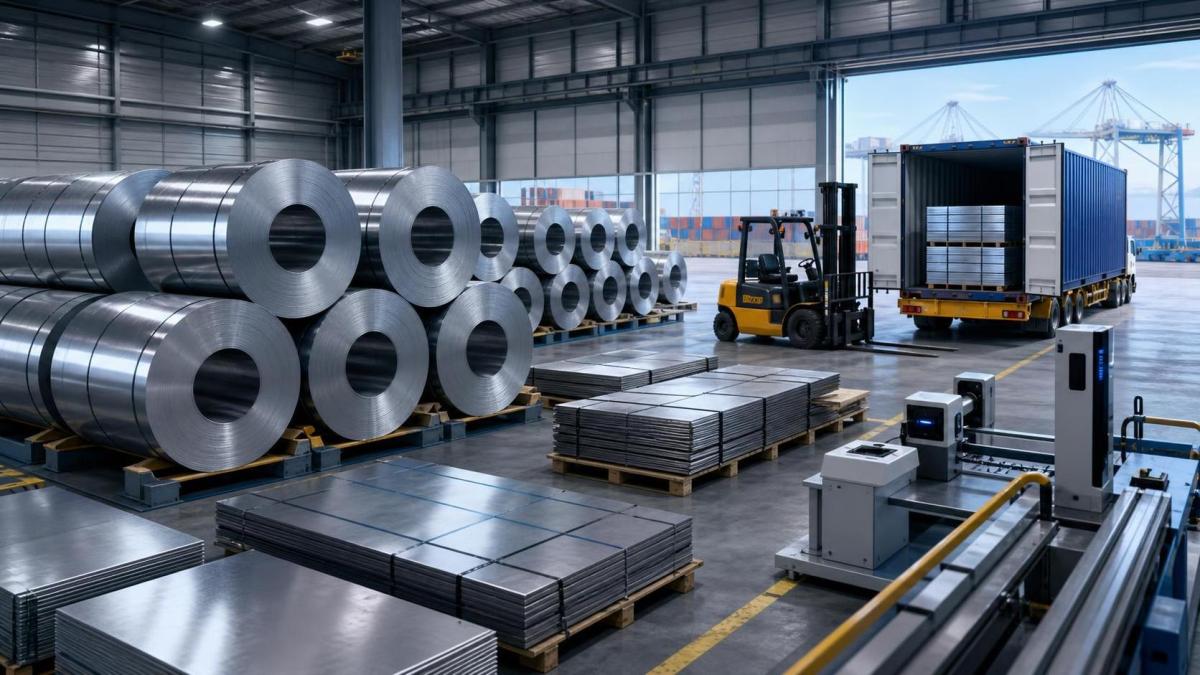
The scope covers major carbon steel semi-finished and finished products exported to the EU, including hot-rolled coil, cold-rolled sheet, and galvanized steel sheet.
Under this phase, exporters are required to submit embedded carbon emissions data on a quarterly basis and accept third-party verification.
The information provided also indicates that this phase will directly affect the compliance preparation progress of Chinese steel exporters, customs clearance timeliness, and cost-sharing arrangements between downstream buyers and sellers.
Where the Pressure Is Likely to Appear First
Export-facing steel businesses
From an industry perspective, exporters are likely to feel the impact first because the new phase is directly tied to quarterly reporting and external verification of embedded emissions. The practical effect may appear in document readiness, internal coordination across production and trade teams, and the ability to align shipment schedules with compliance requirements.
EU buyers and procurement counterparts
Analysis shows that buyers sourcing covered steel products from outside the EU may need closer coordination with suppliers on emissions-related documentation. The issue is not only product availability, but also whether reporting and verification can be completed in a way that supports purchasing schedules and cost discussions.
Customs and delivery-linked service providers
Observably, customs brokers, freight coordinators, and related supply chain service providers may be affected through timing and document consistency risks. Because the information provided specifically mentions customs clearance timeliness, these participants will need to watch whether reporting readiness influences delivery sequencing or handover efficiency.
Downstream manufacturers using imported steel
For processors and end-use manufacturers purchasing covered steel categories, the main concern may be how compliance-related costs are allocated in commercial negotiations. What deserves closer attention is whether emissions reporting and verification become a recurring factor in supplier selection, contract terms, or delivery planning.
What Companies Should Watch Now
Coverage of key product lines
Companies shipping hot-rolled coil, cold-rolled sheet, galvanized steel sheet, and other covered carbon steel products to the EU should pay close attention to whether current export categories fall within the reporting scope used in live transactions. The immediate issue is operational clarity at the product level rather than broad policy interpretation.
Readiness for quarterly emissions submissions
Analysis shows that quarterly reporting changes the rhythm of compliance work. Businesses involved in EU-bound steel shipments should focus on whether internal data collection, review, and submission processes are stable enough to support repeated reporting cycles rather than one-off preparation.
Third-party verification arrangements
What deserves closer attention is the gap between having emissions data and having data that can withstand third-party verification. For exporters and their customers, this makes supporting records, document consistency, and coordination with verification parties a practical issue, not just a regulatory one.
Commercial communication with buyers
Because the provided information points to possible effects on downstream cost-sharing, supplier-buyer communication becomes a near-term business priority. Companies should watch how customers frame responsibility for compliance-related costs, documentation lead times, and any delivery conditions linked to reporting readiness.
Why This Looks Like More Than a Procedural Update
As an editorial observation, this development is more appropriate to understand as both a short-term operational change and a longer-term policy signal. In the short term, the reporting and verification requirements create direct execution pressure for exporters and related service providers. In the longer term, the expansion of covered steel products suggests that carbon data handling is becoming more embedded in cross-border steel trade with the EU.
At the same time, this should not be overstated as a fully settled end-state for every business outcome. Observably, many of the commercial effects, especially around customs timing and cost allocation, will depend on how companies implement reporting processes and how buyers respond in practice. That makes this a development that has already entered execution, while still requiring close monitoring.
How the Market May Best Read This Stage
The clearest takeaway is that the third phase of the EU CBAM transition period is no longer just a policy reference point for covered steel exports. It introduces a more concrete compliance burden through quarterly embedded emissions reporting and third-party verification for major carbon steel products shipped to the EU.
From an industry perspective, the significance of this update lies less in headline policy language and more in its effect on transaction readiness, customs-facing processes, and commercial coordination across the supply chain. It is more appropriate to understand this as an actionable industry development with immediate operational implications, while some downstream effects still need continued observation.
Basis of This Article and Ongoing Verification
This article is based on the user-provided news title, event date, and event summary regarding the European Commission's formal implementation of the third phase of the CBAM transition period for steel products from August 1, 2026.
For developments of this kind, commonly relevant source types may include official announcements, company disclosures, industry association updates, authoritative media reporting, and standard-setting or regulatory documents. A specific official source link was not provided in the input, so further verification remains necessary.
Areas that still warrant continued attention include any later official wording, implementation details affecting covered product handling, and how reporting, verification, customs timing, and buyer-seller cost allocation evolve in actual business execution.
NEWS NAVIGATION
CONTACT US