
NEWS
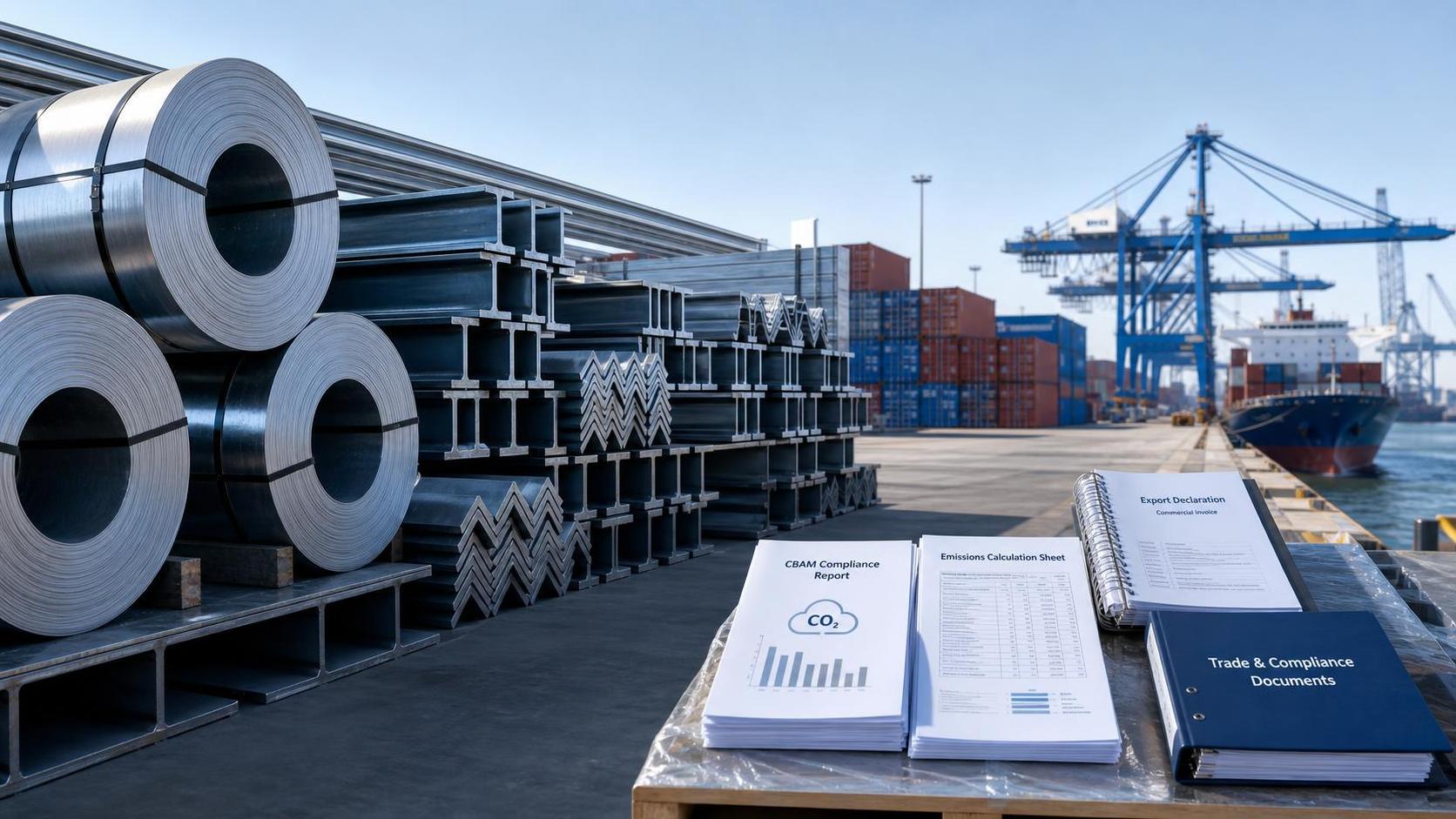
On July 25, 2026, the European Union formally put CBAM Phase 3 into full effect for key steel products exported to the EU, bringing hot-rolled coil and structural sections such as H-beams and angle steel into mandatory carbon reporting and cost calculation. For exporters, importers, and buyers handling steel trade with the EU, this is not just a policy update: it directly touches customs timing, landed cost, and the compliance review now tied to supplier qualification.
What Has Now Entered Mandatory Scope
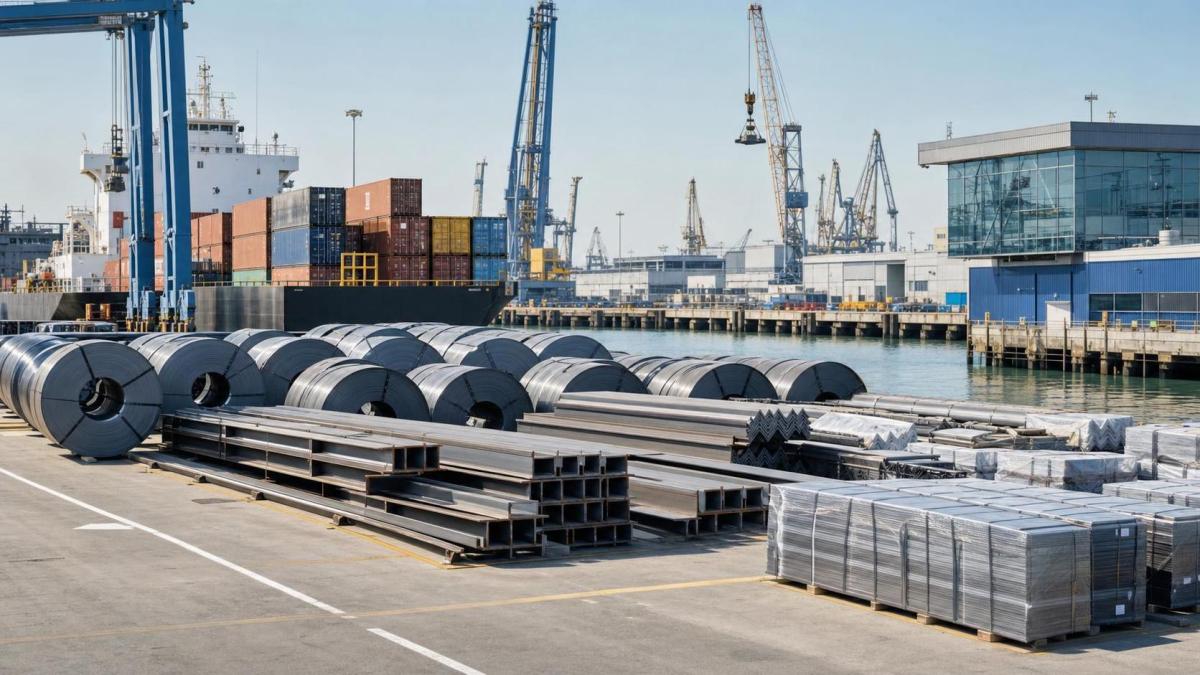
According to the information provided, from July 25, 2026, CBAM Phase 3 is fully effective and, for the first time, covers mainstream structural steel products exported from China to the EU, including hot-rolled coil, H-beams, and angle steel.
Exporters are required to submit the embedded carbon emissions data for each shipment through the EU CBAM portal. They must also prepay the corresponding carbon cost, which is currently set at EUR 89.2 per ton of CO2e.
The policy is stated to have a direct impact on customs clearance timing for buyers, total import cost, and the compliance qualification review applied to suppliers.
Where the Immediate Pressure Is Likely to Appear
Export transactions now carry an added reporting layer
From an industry perspective, direct trading companies are likely to feel the first operational impact because each shipment now requires embedded carbon emissions reporting through the EU CBAM portal. The pressure point is not only cost, but also shipment readiness: document preparation, declaration accuracy, and alignment between goods and reported emissions data become more sensitive in execution.
What deserves closer attention is whether internal export workflows are set up to handle batch-level reporting without delaying dispatch or customs processing.
EU buyers face a more explicit landed-cost calculation
Analysis shows that buyers importing these steel products into the EU are likely to see a more direct connection between carbon cost and procurement decisions. Since the policy requires prepayment of carbon cost, import-side budgeting and pricing review may become more detailed at the transaction level.
The business impact is most visible in supplier selection, order pricing, and delivery coordination, especially where customs timing and total import cost are already tightly managed.
Compliance review becomes part of supplier assessment
Observably, supplier qualification may now be assessed not only on product supply capability, but also on the ability to provide compliant emissions data and support CBAM-related filing requirements. For processors, manufacturers, distributors, and supply chain service providers involved in steel shipments to the EU, the practical issue is whether they can support the documentation and communication expected by trade counterparties.
The relevant change here is procedural: compliance capacity becomes more closely tied to commercial continuity.
What Companies Should Watch Closely Now
Shipment-level data readiness
Companies involved in affected steel exports should closely review whether each batch can be matched with the emissions data required for CBAM portal submission. The core issue is not general sustainability messaging, but whether transaction-level reporting can be completed in a way that supports customs and delivery schedules.
The cost effect in contract execution
What deserves closer attention is how the current carbon cost of EUR 89.2/t CO2e is reflected in ongoing quotations, order confirmation, and import-side settlement discussions. Even where pricing terms are already agreed, the operational handling of this prepayment requirement may affect commercial coordination between exporter and buyer.
Supplier qualification and supporting documents
For companies shipping hot-rolled coil, H-beams, and angle steel to the EU, supplier review is likely to move beyond product specification and delivery capability. Buyers and related service providers may place greater weight on whether supporting emissions data, declarations, and related compliance materials can be produced consistently.
The difference between policy text and day-to-day execution
Analysis shows that one of the practical risks lies in the gap between a rule being in force and a company being operationally ready for it. Businesses should therefore pay attention not only to the formal requirement itself, but also to how it affects lead time, document flow, customer communication, and contingency planning in actual shipments.
Why This Looks Like More Than a One-Off Adjustment
This section is an editorial observation. It is more appropriate to understand this development as both an immediate operating change and a longer-term trade signal. The immediate part is clear from the information provided: covered steel shipments now require emissions reporting and carbon-cost prepayment. The longer-term signal is that carbon-related compliance is moving closer to the center of transaction execution for steel entering the EU market.
At the same time, this should not be overstated into conclusions that go beyond the confirmed facts. Observably, the current significance lies in execution pressure on trade flows, cost handling, and supplier review, while the broader market response still requires continued observation.
How the Industry May Best Read This Development
In practical terms, this update matters because it shifts CBAM from a policy topic into a shipment-level operating requirement for the covered steel categories. For affected businesses, the issue is no longer whether the mechanism is relevant, but how quickly reporting, cost allocation, and compliance support can be integrated into regular export and import routines.
A neutral reading is that this is best understood as a confirmed short-term rule change with possible longer-term implications for how EU-bound steel trade is managed. The direction is clear in the provided information, while the full commercial effect still merits ongoing attention.
Basis of This Article and What Still Needs Verification
This article is based on the user-provided news title, event date, and event summary. The writing above relies on the confirmed information that CBAM Phase 3 took full effect on July 25, 2026, that key steel products exported from China to the EU were brought into mandatory reporting and carbon-cost calculation, that exporters must submit embedded emissions data for each shipment through the EU CBAM portal, and that the current carbon cost is EUR 89.2/t CO2e.
No specific official source link was provided in the input, so the exact official publication and any follow-up interpretive text still require continued verification. For this type of development, the source categories typically worth monitoring include official announcements, company disclosures, industry association updates, authoritative media reporting, and relevant standards or compliance documents.
NEWS NAVIGATION
CONTACT US