
NEWS
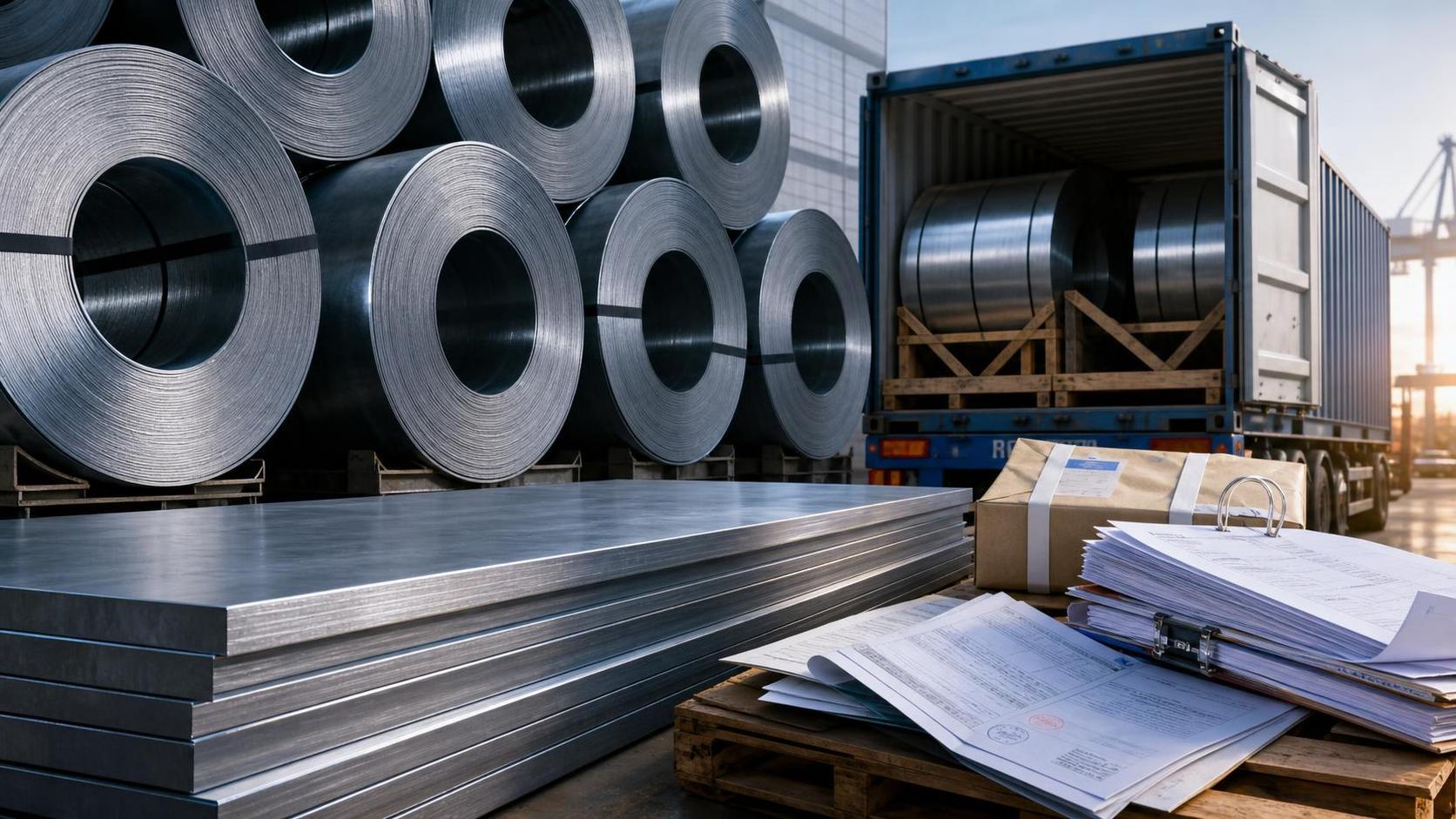
On July 27, 2026, the European Commission announced an anti-subsidy investigation into hot-rolled steel products from China under Case No. SG/2026/04. The case covers hot-rolled wide steel plate and coil under HS codes 7208–7211, making it relevant for exporters, EU importers, processors, traders, and supply chain service providers tied to steel purchasing and customs clearance. The development matters because it introduces a near-term compliance and cost variable into cross-border steel trade, while also signaling that procurement and delivery planning may need closer review over the coming months.
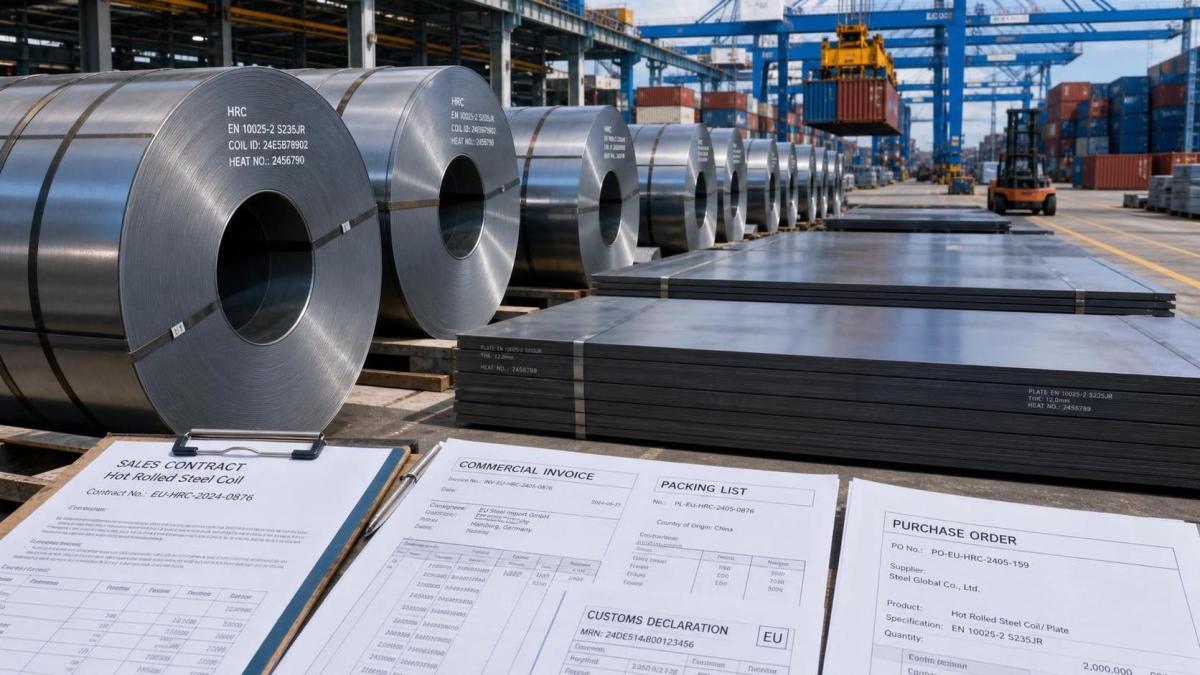
What the Commission Has Formally Announced
According to the information provided, the European Commission formally initiated the anti-subsidy investigation on July 27, 2026. The investigation concerns Chinese hot-rolled steel products covered by HS codes 7208–7211, including hot-rolled wide steel plate and coil.
The inquiry will assess whether Chinese exporting companies received support such as local government subsidies, tax preferences, and energy price support. The case is identified as Case No. SG/2026/04.
The provided information also states that provisional countervailing duties could be imposed within 12 months. In practical terms, the announcement directly affects procurement cost expectations for EU importers, customs compliance requirements, and inventory preparation cycles across the supply chain.
Where the Pressure May Appear First
Imported steel purchasing is now exposed to cost uncertainty
From an industry perspective, EU importers are among the first groups likely to feel the impact because any provisional countervailing duty would directly change landed cost assumptions. The main pressure point is not only price, but also the timing of purchase decisions, contract execution, and shipment scheduling.
What deserves closer attention is whether buyers continue current sourcing rhythms or begin building more flexibility into orders covered by HS codes 7208–7211. For procurement teams, this is less about confirmed duty outcomes today and more about managing exposure while the case is under review.
Customs and trade compliance will become more document-sensitive
For customs brokers, trade compliance teams, and related service providers, the investigation raises the importance of product classification, supporting documentation, and case tracking. Because the products involved are defined through HS codes and the investigation focuses on possible subsidy-related support, the operational impact may show up in documentation review and clearance preparation.
Observably, the key issue for these participants is not a new confirmed rule set at this stage, but a higher need for accuracy and consistency in customs-facing materials tied to covered products.
Processors and downstream manufacturers may need to reassess supply timing
Manufacturing and processing businesses that rely on imported hot-rolled plate or coil may be affected through procurement lead times and stock planning rather than through trade procedure alone. If importers adjust ordering behavior in response to possible duties, downstream users may face changes in delivery windows, purchasing cadence, or short-term stock strategies.
Analysis shows that the most immediate concern for these companies is continuity: whether supply planning remains aligned with production schedules if the investigation changes how upstream suppliers pace shipments into the EU market.
What Companies Should Track Now
Monitor official language and procedural developments carefully
Companies involved with the covered products should pay close attention to how the case is described in official updates, especially where product scope, procedural timing, and possible interim measures are concerned. The distinction between an initiated investigation and an imposed measure matters in business execution.
Review exposure by product code and transaction flow
Businesses should examine whether current or planned shipments fall within HS codes 7208–7211 and where those goods sit in existing procurement or sales arrangements. This matters for exporters, importers, and intermediaries alike because the investigation is product-specific and directly connected to transaction-level compliance.
Prepare documentation and supplier communication in advance
Since the investigation will assess issues such as local subsidies, tax preferences, and energy price support, companies should be ready for closer scrutiny around supporting materials and upstream communication. For operators on the EU side, this means checking whether supplier information, customs files, and shipment documentation are complete and internally consistent.
Revisit delivery and inventory assumptions
What deserves closer attention is the effect on stocking and fulfillment cycles. Even before any provisional duty decision, businesses may need to revisit assumptions around delivery timing, safety stock, and customer communication, particularly where covered steel products are part of time-sensitive industrial orders.
Why This Is a Signal Worth Watching
Analysis shows that this announcement should not yet be treated as a final trade outcome. It is more appropriate to understand this as an active policy and compliance signal with potential commercial consequences, rather than as a confirmed cost change already in force.
At the same time, the case carries weight because it combines three practical dimensions: possible duty exposure within 12 months, customs compliance sensitivity, and pressure on procurement and inventory planning. Observably, that combination makes the investigation relevant beyond legal or policy teams alone; it reaches into day-to-day commercial operations.
From an industry perspective, the most useful reading today is that the market has entered a period of higher watchfulness. The key issue is not to assume a fixed result, but to recognize that trade policy process can begin affecting business behavior before final measures are known.
How the Market May Best Read This Stage
The July 27 announcement is significant because it formally places Chinese hot-rolled steel exports to the EU under anti-subsidy review for the covered HS codes. For the industry, the immediate meaning lies in uncertainty management: costs, customs treatment, and supply preparation may all require closer coordination.
It is more appropriate to understand this as a developing trade case that deserves continuous monitoring, rather than as a completed shift in market conditions. Businesses connected to hot-rolled steel flows should focus on scope, documentation, procurement timing, and customer communication while the investigation proceeds.
Basis of This Article
This article is based on the user-provided news title, event date, and event summary concerning the European Commission's anti-subsidy investigation into Chinese hot-rolled steel exports.
For this type of industry development, relevant source categories typically include official government or regulatory announcements, company disclosures, industry association updates, authoritative media coverage, and standard or classification-related documents. A specific official source link was not provided in the input, so further verification remains necessary as the case develops.
Further follow-up should focus on later official statements, any clarification of product scope or procedure, and whether provisional measures are announced within the stated timeline.
NEWS NAVIGATION
CONTACT US