
NEWS
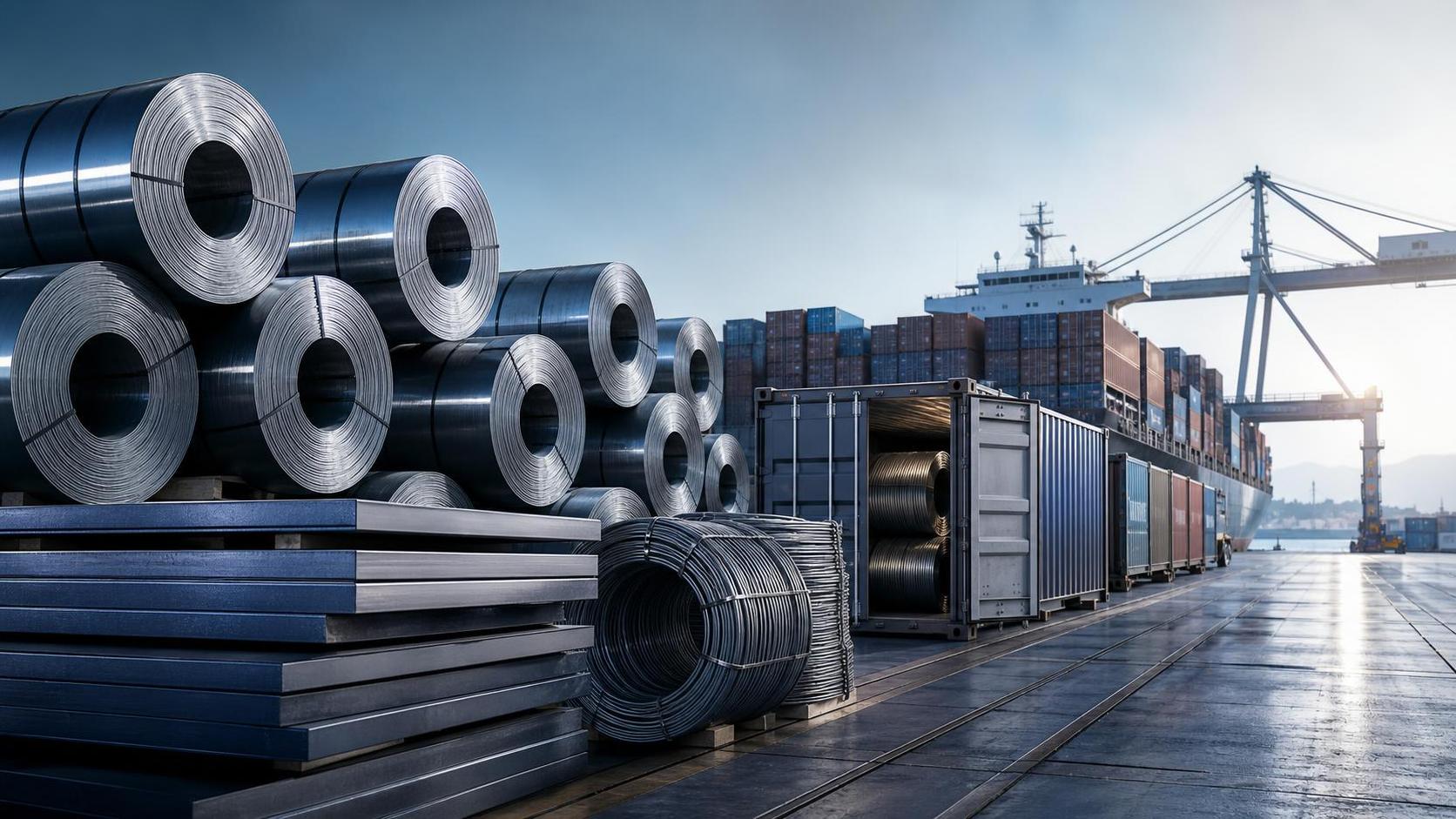
On August 1, 2026, the EU moved CBAM into a new compliance stage for imported steel after the European Commission issued a formal notice on July 28. The new requirement brings major steel categories including hot-rolled coil, heavy plate, and wire rod into mandatory data reporting for embedded carbon emissions and supporting calculation records through the EU-ETS system. For steel exporters to the EU, especially Chinese suppliers and their downstream delivery chains, this is worth close attention because the change is tied directly to customs clearance, delivery timing, compliance workload, and customer access.
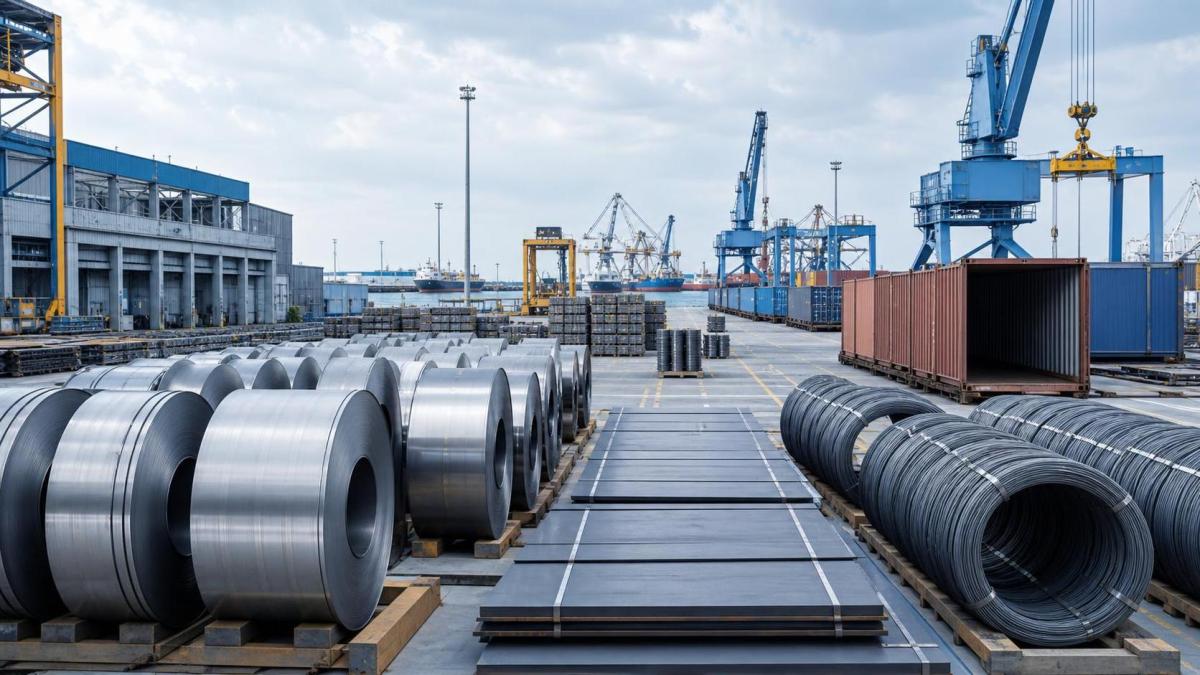
What the new filing requirement confirms
The confirmed change is that CBAM Phase Three began on August 1, 2026, and that the EU has for the first time placed key steel product categories such as hot-rolled coil, heavy plate, and wire rod under mandatory reporting requirements.
Exporting companies are required to submit embedded carbon emissions data and the basis for their calculation through the EU-ETS system. According to the provided information, non-compliant declarations may lead to customs clearance delays or refusal of entry.
The information provided also confirms that this requirement directly affects Chinese steel exporters in three practical areas: delivery cycles to the EU market, compliance costs, and customer qualification or access requirements.
Where the immediate pressure is likely to appear
Export transactions face a tighter documentation threshold
From an industry perspective, direct trading companies are likely to feel the impact first because the new rule is attached to shipment filing and border processing. The main pressure point is no longer only product movement, but whether emissions data and supporting calculation records are ready in a form that can be submitted through the required system.
What deserves closer attention is the connection between compliance and shipment timing. Where documentation is incomplete or inconsistent, the practical risk is disruption at the clearance stage rather than only a back-office reporting issue.
Production and processing links may be drawn into compliance preparation
Analysis shows that manufacturers and processors supplying the covered steel categories may also be affected, even where they are not the party completing export formalities. The reason is straightforward: embedded carbon reporting depends on upstream production and calculation support.
The business impact is likely to concentrate on data handover, internal verification, and coordination between production records and export documents. Companies involved in hot-rolled coil, heavy plate, and wire rod flows should therefore watch how customer requests for emissions-related documentation evolve.
Supply chain service providers may need to adjust delivery coordination
Observably, logistics, customs, and related supply chain service providers could be affected through changes in documentation readiness and shipment release timing. Their exposure is operational rather than regulatory in the first instance, but it still matters because late or non-compliant filings may affect cargo scheduling and handover expectations.
For this group, the immediate concern is whether export clients have aligned filing materials, supporting records, and communication processes before cargo reaches the customs stage.
EU buyers may place greater emphasis on supplier readiness
Buyers and procurement teams on the EU side may also adjust their screening of suppliers for covered steel products. The provided information already notes an effect on customer access qualifications, which suggests that supplier readiness may become part of routine transaction evaluation.
In practice, this means suppliers may face more questions about filing capability, supporting records, and delivery reliability under the new reporting obligation.
What companies should watch now
Focus first on whether products fall within the newly covered scope
The first practical task is to identify whether current or planned EU-bound shipments include the steel categories named in the announcement, especially hot-rolled coil, heavy plate, and wire rod. This matters because the rule change is product-linked, and the operational response begins with scope confirmation.
Separate reporting obligation from ordinary shipment paperwork
Analysis shows that companies should not treat this as a routine extension of existing export documents. The requirement specifically concerns embedded carbon emissions data and the basis of calculation submitted through the EU-ETS system. That creates a distinct compliance track that needs to be checked alongside commercial and logistics documents.
Review delivery commitments and customer communication
Because non-compliant filing may result in customs delays or rejection, exporters should pay close attention to delivery promises already made to EU customers. What deserves closer attention is whether current order schedules allow enough time for emissions-related preparation, internal review, and customer-side confirmation where needed.
Keep watching for follow-up wording and implementation detail
The announcement establishes the mandatory start date and the filing consequence, but companies should continue monitoring how official wording and practical implementation develop after launch. Observably, the difference between a policy requirement and day-to-day execution often appears in document review standards, submission handling, and communication expectations during actual shipments.
Why this reads as more than a short-term filing update
Analysis shows that this development is not just a one-off paperwork adjustment for steel exports. It is more appropriate to understand it as a compliance signal with direct operational consequences, because the requirement now links carbon-related reporting to customs handling and market access for covered products.
At the same time, it should not be overstated as a fully settled end state. Based on the information provided, the clearest confirmed point is that mandatory reporting has started for specified steel categories and that non-compliance carries immediate shipment risk. How consistently that translates into broader customer screening, cost pass-through, and workflow redesign remains something the market will need to keep observing.
How the market may best interpret this stage
For the steel trade, this update is best read as an immediate compliance change with longer-term significance. The short-term issue is execution: filings, documentation, shipment timing, and customer coordination. The longer-term signal is that carbon-related reporting is moving closer to the practical threshold for doing business in the EU steel market.
A neutral reading is therefore more useful than an exaggerated one. The rule has already created a real procedural requirement for covered products, but the full commercial effect will depend on how exporters, buyers, and supply chain partners adapt in ongoing transactions.
Basis of this article and points for continued verification
This article is based on the user-provided news title, event date, and event summary concerning the EU's August 1, 2026 start of CBAM Phase Three mandatory reporting for imported steel. The specific official source link was not provided in the input, so continued verification is still necessary.
For this type of development, commonly relevant source categories may include official announcements, company statements, industry association updates, authoritative media reporting, and documents issued by standards or regulatory bodies. The main points that still merit follow-up are any further official wording on implementation, the practical handling of submissions through the EU-ETS system, and how compliance expectations are applied in live export transactions.
NEWS NAVIGATION
CONTACT US