
NEWS
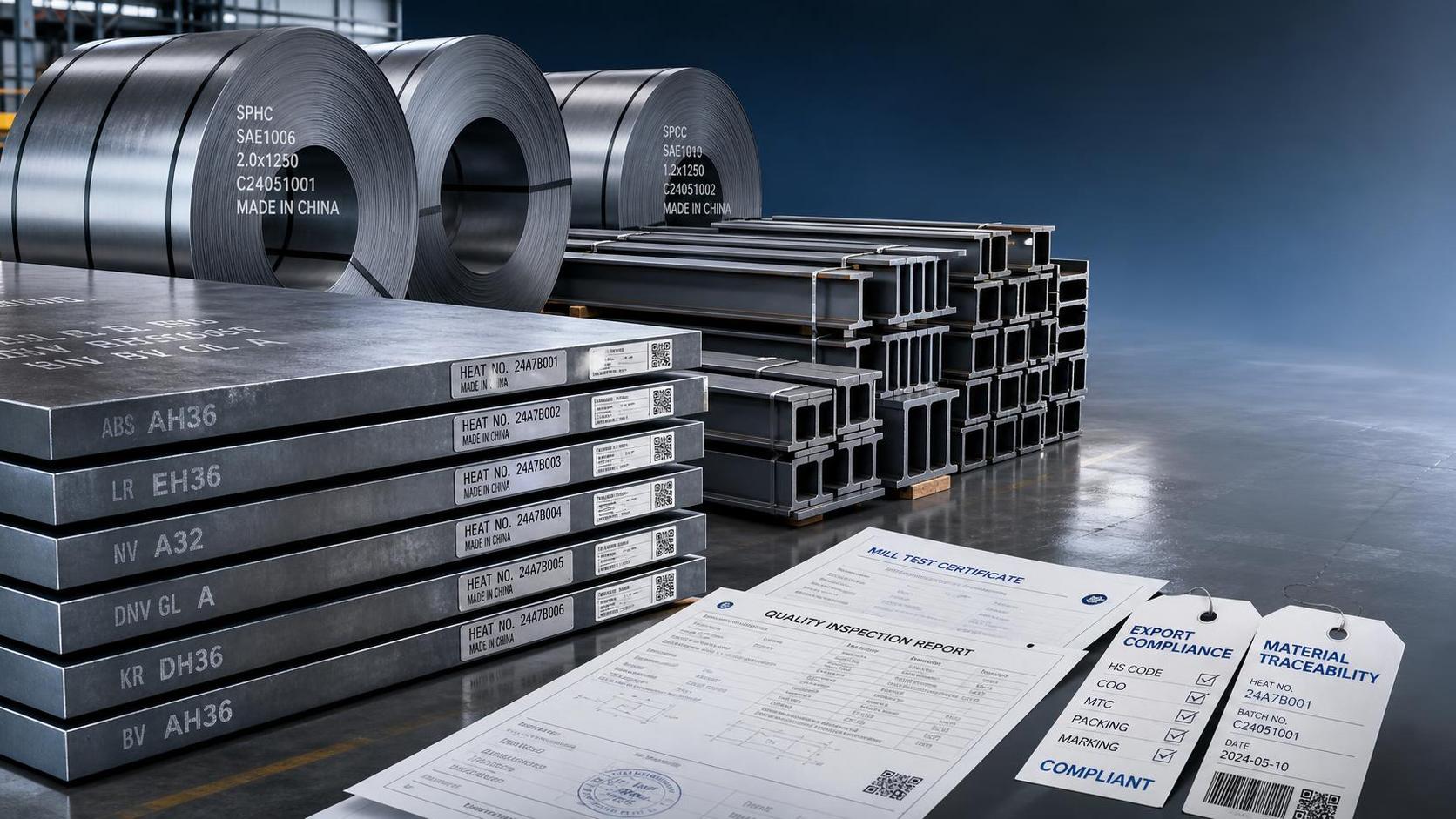
On July 20, 2026, CEN formally issued the revised EN 10027-1:2026 and EN 10027-2:2026 standards, resetting how steel grades must be named for products exported to the EU. Because the revision adds new identification rules for low-carbon, high-strength, and green metallurgy-derived steel grades, and makes the new coding system mandatory from October 1, 2026 for structural steel, pressure vessel steel, and engineering machinery steel, the change deserves close attention from exporters, importers, certification teams, document-control functions, and downstream buyers that rely on material traceability.
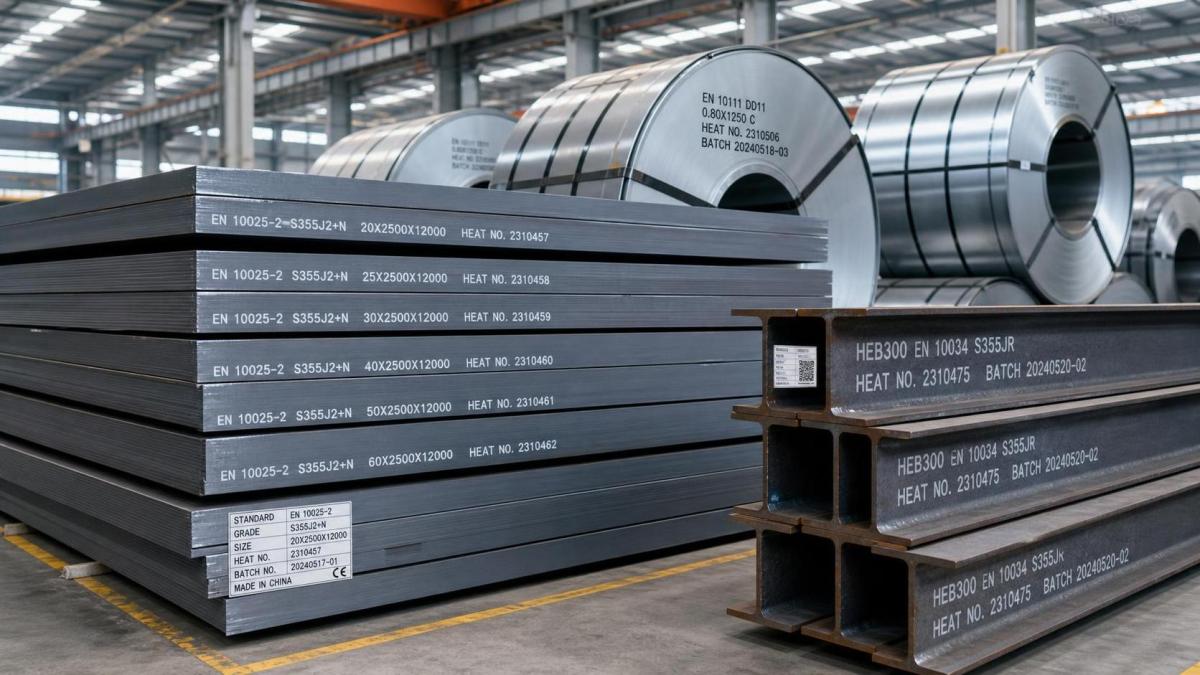
What the revised EN 10027 standards formally change
The confirmed facts are limited but commercially relevant. CEN released EN 10027-1:2026 and EN 10027-2:2026 on July 20, 2026. The revision updates the naming logic for steel grades and adds identification rules for low-carbon and high-strength steels, as well as steel grades derived from green metallurgy. It also states that all structural steel, pressure vessel steel, and engineering machinery steel exported to the EU must comply with the new coding system from October 1, 2026. The change directly affects customs declaration by overseas importers, preparation of CE certification documentation, and material traceability compliance for downstream end customers.
Where the immediate pressure is likely to appear
Export documentation and customs-facing trade work
From an industry perspective, exporters and overseas importers are among the first parties likely to feel the effect because steel grade naming is not only a technical label but also a document reference used across trade and clearance workflows. What deserves closer attention is whether product descriptions, shipping documents, and declaration materials remain aligned once the new coding system becomes mandatory. A mismatch between legacy grade naming and the revised EN 10027 format could create practical compliance questions in customs-facing processes.
Certification files and CE-related technical records
Certification-related businesses and internal compliance teams may also be affected because CE documentation depends on consistent material identification across certificates, technical files, and supporting records. Analysis shows that the revised naming logic matters not only at the specification level, but also in how material grades are presented in compliance files. Where documents continue to reference earlier naming conventions, companies may need to review whether the presentation remains acceptable once the October 2026 deadline takes effect.
Procurement, manufacturing, and downstream traceability
Procurement teams, processors, and downstream industrial users may need to pay closer attention to how steel grades are referenced through ordering, receiving, production, and after-delivery traceability. Observably, the change is relevant wherever grade names are used to connect purchase specifications with material certificates and end-customer records. This is especially relevant for transactions involving structural steel, pressure vessel steel, and engineering machinery steel, because those categories are explicitly named in the confirmed facts.
Practical points companies should review now
Check whether internal grade references match the revised coding system
Analysis shows that companies involved in exports to the EU should review where steel grade names appear across quotations, contracts, packing documents, test records, technical files, and customer-facing material documentation. The core issue is not simply renaming a product, but ensuring that the same grade is described consistently across commercial and compliance records under the revised EN 10027 structure.
Re-examine CE document preparation and supporting files
What deserves closer attention is the interface between the new coding rules and CE documentation workflows. The confirmed facts already indicate an effect on CE file preparation, so companies should pay attention to whether their current templates, declarations, and technical attachments still present steel grade information in a way that fits the revised standards. Because the input does not provide detailed enforcement guidance, this should be understood as a compliance review priority rather than a confirmed procedural outcome.
Watch material traceability language used by downstream customers
Observably, downstream traceability is a key compliance point in this update. Companies supplying into longer industrial chains should review how steel grades are identified in order confirmations, inspection records, and customer documentation. This matters because the rule change reaches beyond initial export shipment and into the evidence trail that end users may rely on for material identification and conformity review.
Prepare for changes in tender and purchasing documentation
It is more appropriate to understand this as a near-term documentation and specification alignment issue as well as a standards update. Buyers and suppliers should therefore monitor whether procurement specifications, bid documents, and supplier qualification materials begin to adopt the revised EN 10027 naming approach before or after the mandatory date. The input does not confirm how quickly market documents will shift, so this remains a point for continued monitoring.
Why this looks like an execution signal, not just a standards update
Analysis shows that this development is better read as an operational compliance signal rather than a purely technical revision. The reason is that the confirmed facts already connect the new EN 10027 rules to customs declarations, CE documentation, and downstream traceability. That linkage suggests the market impact will depend less on abstract awareness of the standard and more on whether companies can translate the revised naming system into usable trade, certification, and delivery records. At the same time, the available information does not yet define detailed enforcement practice, so the market still needs to watch how implementation language is reflected in certification handling, procurement documents, and customer requirements.
How the market may need to frame this change
At this stage, the most balanced reading is that the revised EN 10027 standards represent a confirmed rule change with a clear implementation date, but the full practical effect will depend on how the new coding system is applied in day-to-day documentation and compliance review. For affected steel exporters, importers, certification functions, and industrial buyers, this is less a background standards revision and more a direct prompt to recheck naming consistency, document readiness, and traceability language before October 1, 2026.
Basis of this article and what still needs verification
This article is generated from the user-provided news title, event date, and event summary. For developments of this type, commonly relevant source categories may include official announcements, regulator releases, customs or trade authority information, industry association notices, standards organization documents, and reporting by authoritative media. No specific official source link was provided in the input, so the exact official link still requires further verification. Continued observation is also needed on implementing details, certification interpretation, changes in tender and purchasing documents, market feedback, and how companies execute the new coding requirements in practice.
NEWS NAVIGATION
CONTACT US