
NEWS
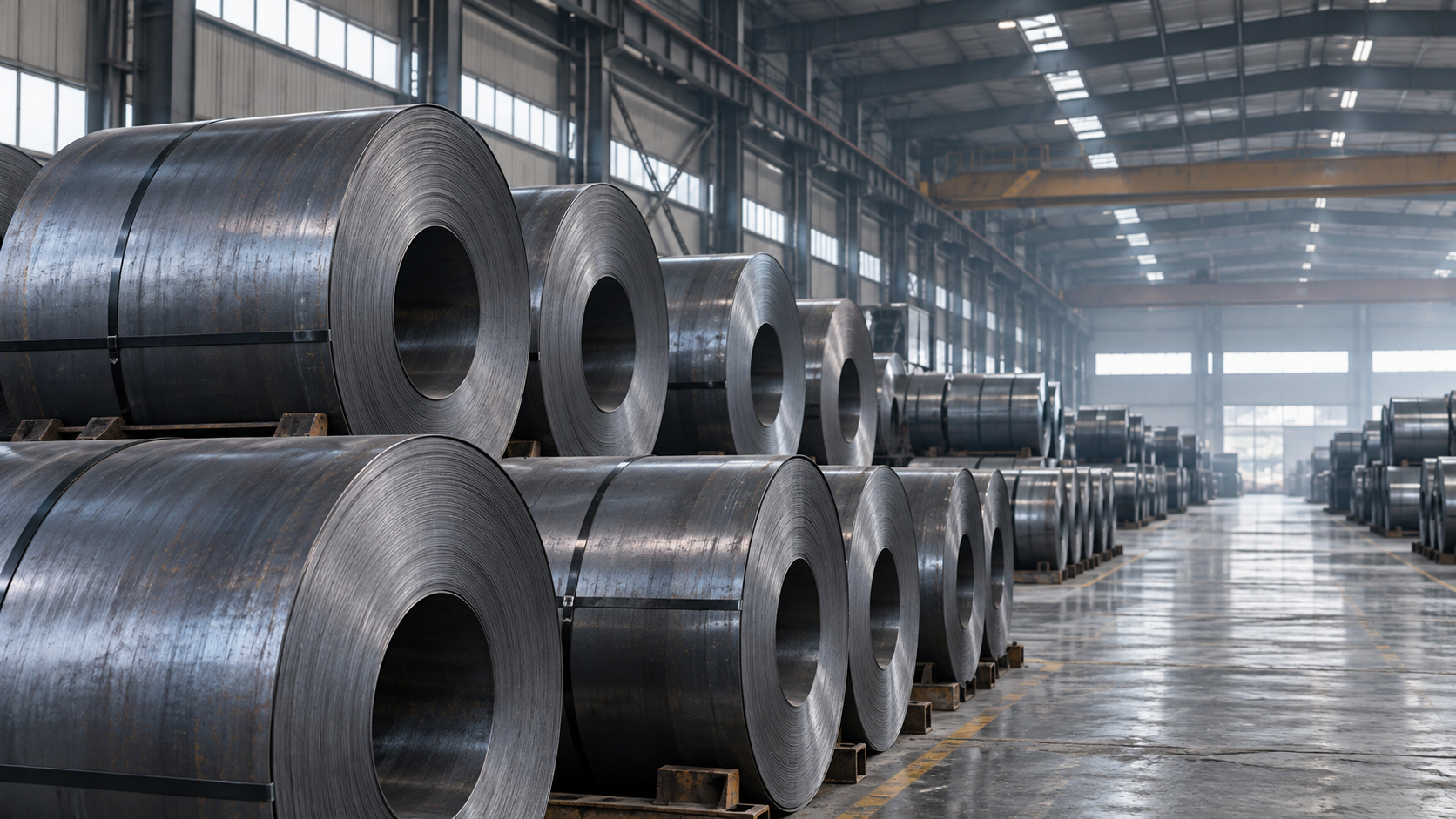
Global steel capacity additions could outpace demand growth in the coming years, according to the outlook presented at the 2026 Steel Network Summit, held in Istanbul on October 26–27. Organized by the Turkish Steel Exporters’ Association (ÇİB), the event brought together more than 400 participants from over 80 countries to discuss market conditions, trade barriers, excess capacity and competitiveness.
Edwin Basson, former director general of the World Steel Association, said global steel demand was expected to remain broadly stable at around 1.7 billion tonnes in 2026, with some growth in 2027. He also pointed to approximately 140 million tonnes of additional production capacity expected to come on stream over the next few years, with demand growth unlikely to keep pace.
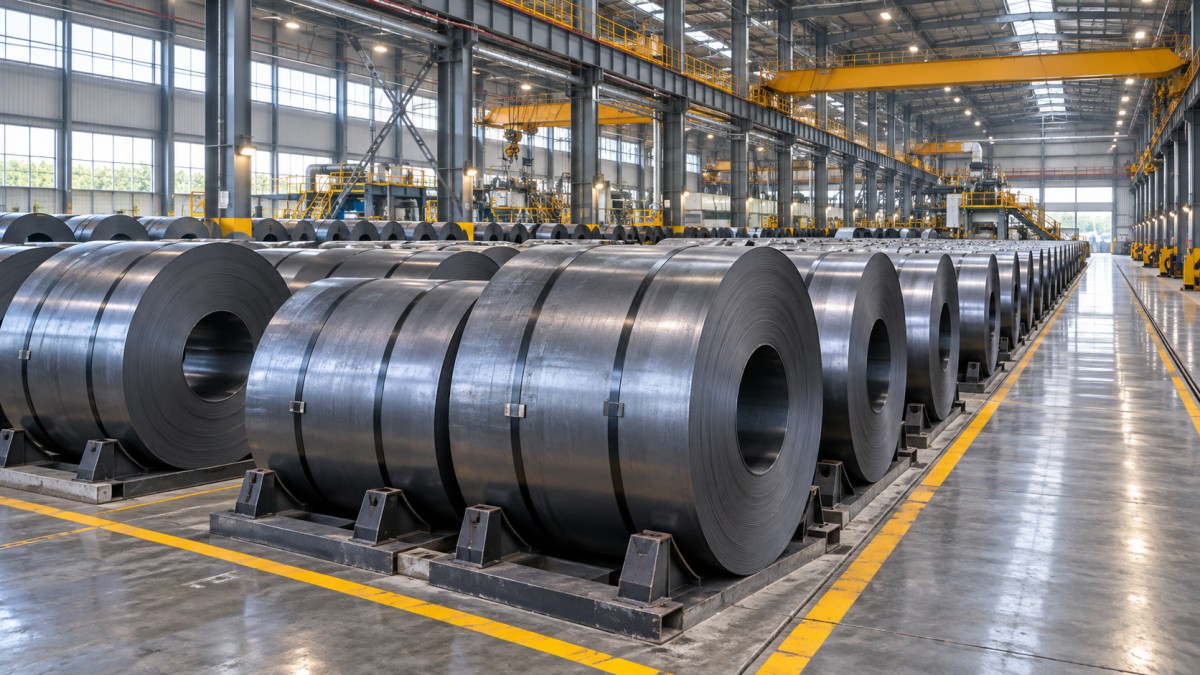
Capacity additions raise questions about market absorption
The central issue is how much additional steel the market can absorb as new facilities begin operating. If capacity expands faster than consumption, producers could face greater competition for orders, putting pressure on capacity utilization and pricing.
However, additional capacity does not translate directly into an equivalent increase in output. The effect on supply will depend on when facilities start production and how intensively they operate. The capacity figure alone therefore does not establish the size of a future steel surplus or a specific direction for prices.
The expected demand increase in 2027 offers some scope to absorb additional production, but its scale will matter. A return to growth would not necessarily resolve the imbalance if new supply becomes available more quickly than consumption expands.
Trade conditions could shape where pressure emerges
Trade barriers were another focus of the summit. If access to export markets becomes more restricted while capacity continues to expand, competition could intensify in markets that remain accessible. This means the effects of excess capacity may differ across markets, even when the global supply outlook points in the same direction.
Basson also identified geopolitical uncertainty and changing financial conditions as challenges. These factors could affect both the pace of capacity commissioning and the strength of demand, making the timing of the imbalance as important as its potential scale.
The outlook supports concern about capacity growing faster than demand, while the extent of the resulting market pressure remains conditional. Actual commissioning schedules, production levels and the strength of demand growth in 2027 will be the key developments to follow.
NEWS NAVIGATION
CONTACT US