
NEWS
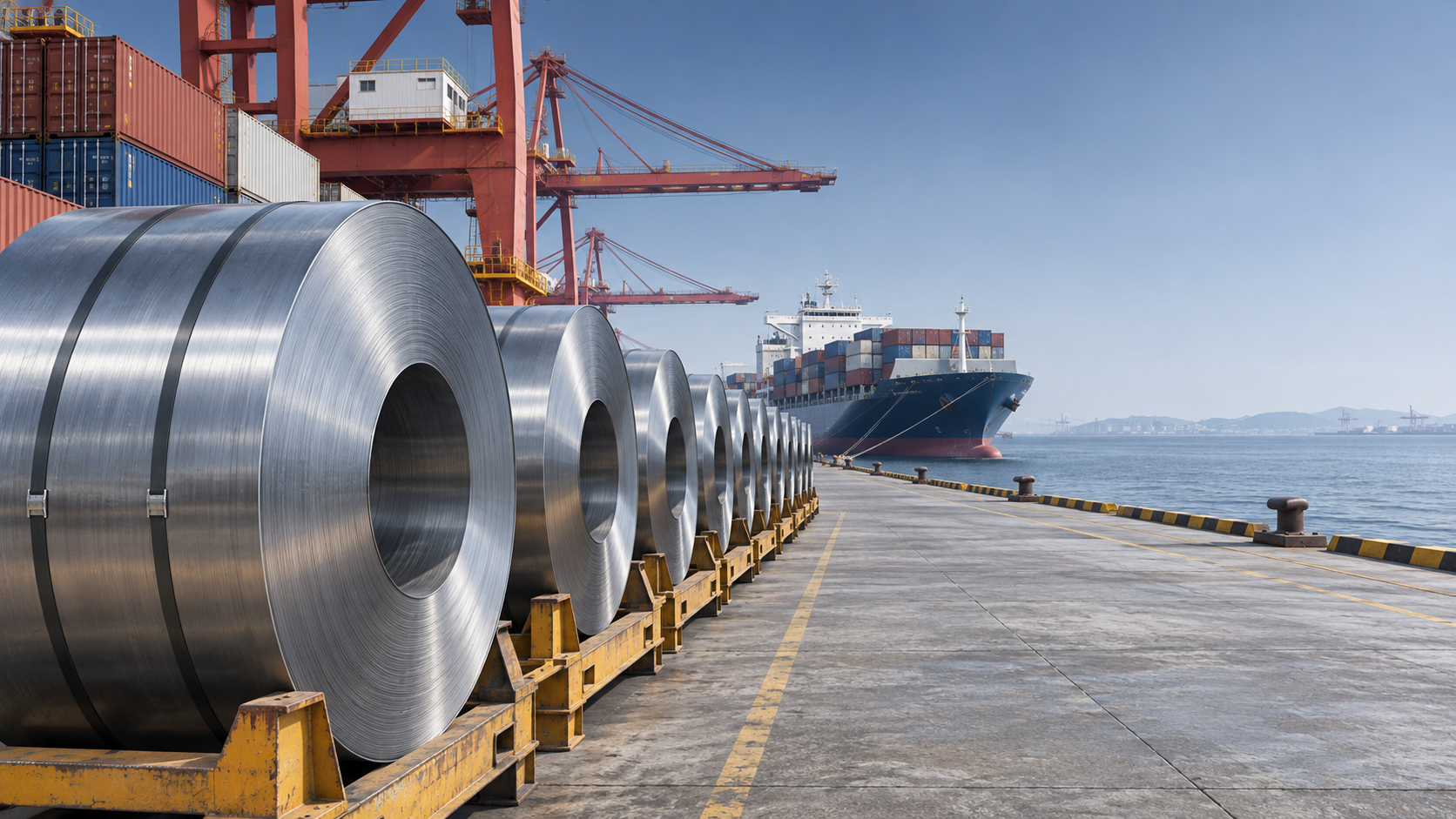
The Office of the United States Trade Representative (USTR) announced the findings of its Section 301 investigation into overcapacity on November 25, 2026, U.S. Eastern Time, and proposed additional tariffs on 14 economies, including China. Steel was identified as a key manufacturing sector affected by structural overcapacity.
On November 26, Beijing time, China’s Ministry of Commerce said the investigation was an act of unilateralism, expressed firm opposition and reserved the right to take necessary measures. For the steel industry, the proposal raises questions about the future cost and direction of trade, including exports from China.
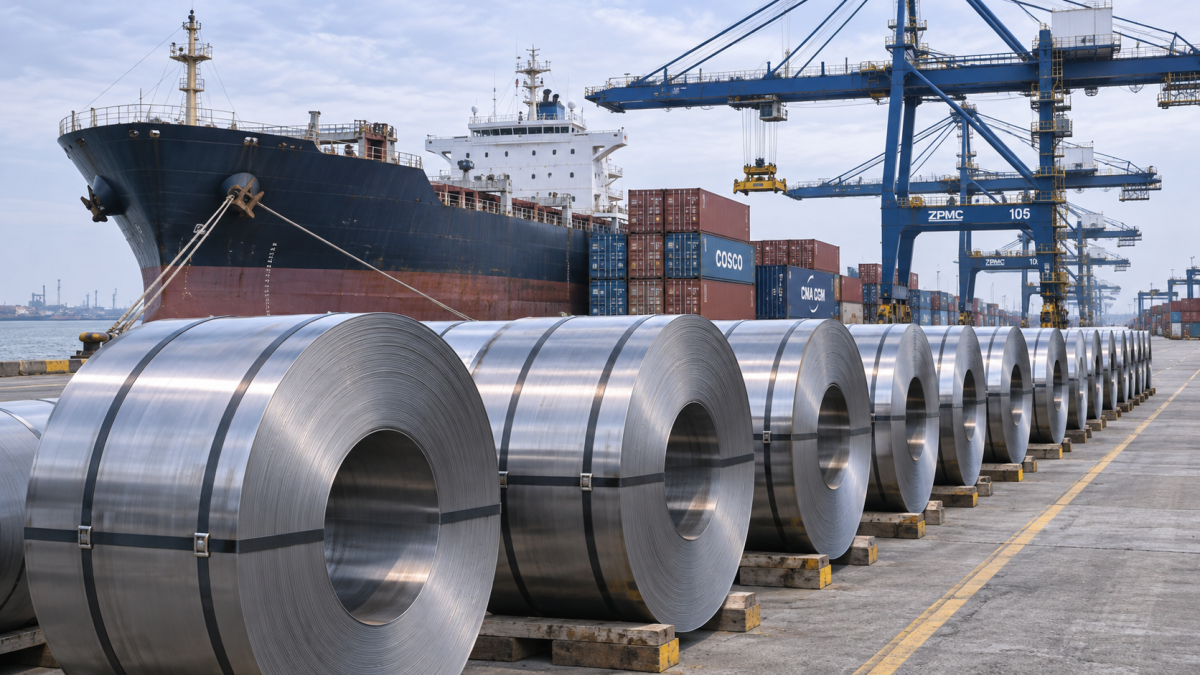
What the proposal means for steel trade
The USTR announcement brings steel into a proposed trade response to structural overcapacity. The immediate distinction is between a proposed tariff and a tariff already in effect: the announcement sets out a potential measure, while its eventual effect on steel transactions depends on the details of any action that follows.
Those details matter because the commercial effect would depend on which products and trade flows are covered and how an additional tariff is applied. A measure affecting particular steel products could change the relative cost of competing supplies in the U.S. market. The extent of that change would depend on the final terms and on how buyers and sellers respond.
The proposal covers 14 economies, so its potential implications extend beyond Chinese exports alone. At the same time, the information announced does not establish that every steel product or every trade flow involving those economies would face the same treatment. The scope of the proposed measures is therefore central to assessing their effect.
Where the effects could first appear
For exporters and buyers, the first pressure may arise in transactions being priced or negotiated while the proposal remains under consideration. A potential tariff can make the eventual cost of a shipment harder to assess, particularly where the parties have yet to agree how an additional charge would be handled.
If additional tariffs take effect on relevant products, importers could face higher costs. Whether those costs are absorbed by sellers, passed on to buyers or shared between them would depend on the terms of individual transactions and market conditions. A proposed tariff alone does not establish the size of any price change.
Chinese steel exporters would also need to consider whether their products fall within the scope of any final measures. For buyers, the corresponding question is whether the cost of sourcing affected steel would change enough to influence purchasing decisions. Such decisions could, over time, alter trade flows, but the announcement does not by itself demonstrate that orders have shifted or exports have fallen.
Potential effects on global steel trade would depend in part on responses outside the directly affected transactions. If sales to the United States became more costly for some suppliers, they might seek other buyers, while U.S. purchasers might reassess their sources. The scale and direction of any such changes would depend on the eventual measures and commercial responses.
China’s response and the next questions
China’s Ministry of Commerce has opposed the investigation and reserved the right to take necessary measures. That statement establishes China’s position, but it does not specify an action, its timing or the products that might be affected. It therefore should not be treated as an announcement of a particular countermeasure.
The next material questions concern the proposed tariffs’ product coverage, rates and implementation. Further official announcements could also clarify whether the proposal changes before any measures take effect. Those details would give exporters, importers and steel buyers a firmer basis for assessing costs and exposure.
The longer-term effect on steel trade will depend on both policy decisions and market responses. The investigation has put a potential new tariff burden on the table; its consequences for Chinese steel exports and wider trade flows remain dependent on how the proposal proceeds.
NEWS NAVIGATION
CONTACT US