
NEWS
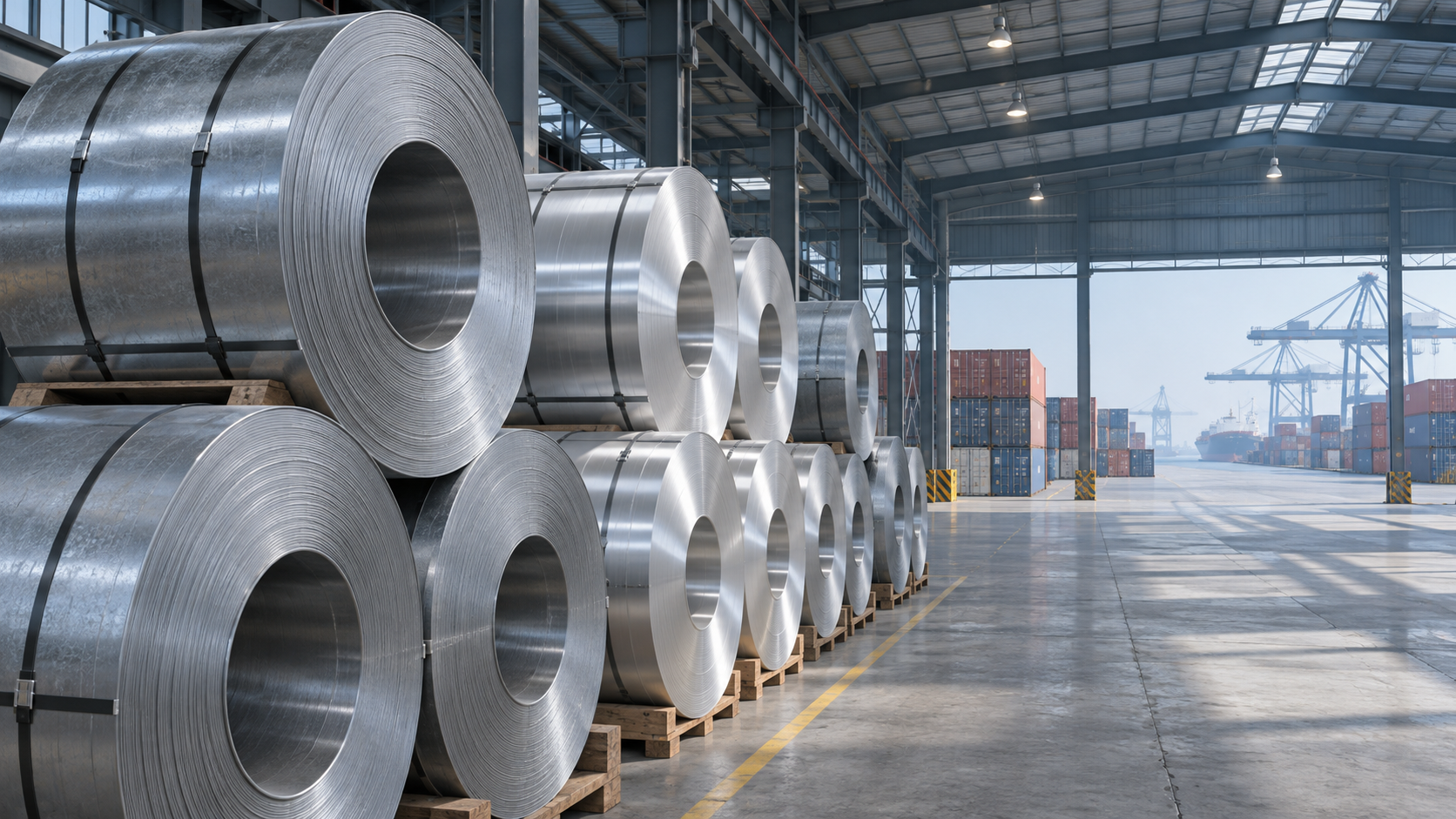
Canada has extended tariff exemptions for certain Chinese steel and aluminum products through December 31, 2028, and expanded their coverage to 23 steel products and nine aluminum products, Steel Market Update reported on November 18, 2026. The exemptions apply to products that are in short supply or unavailable from Canadian domestic producers.
As part of the exchange, China removed tariffs on approximately C$400 million worth of Canadian food products, including pork and seafood. The arrangement is intended to reduce Canada’s reliance on trade with the United States.
The extension gives eligible metal products a longer period of tariff relief, while the expanded coverage increases the number of product categories included. For Canadian buyers, the immediate question is whether the specific material they need falls within one of the covered categories and meets the exemption’s conditions. The announcement does not establish a general exemption for all Chinese steel and aluminum.
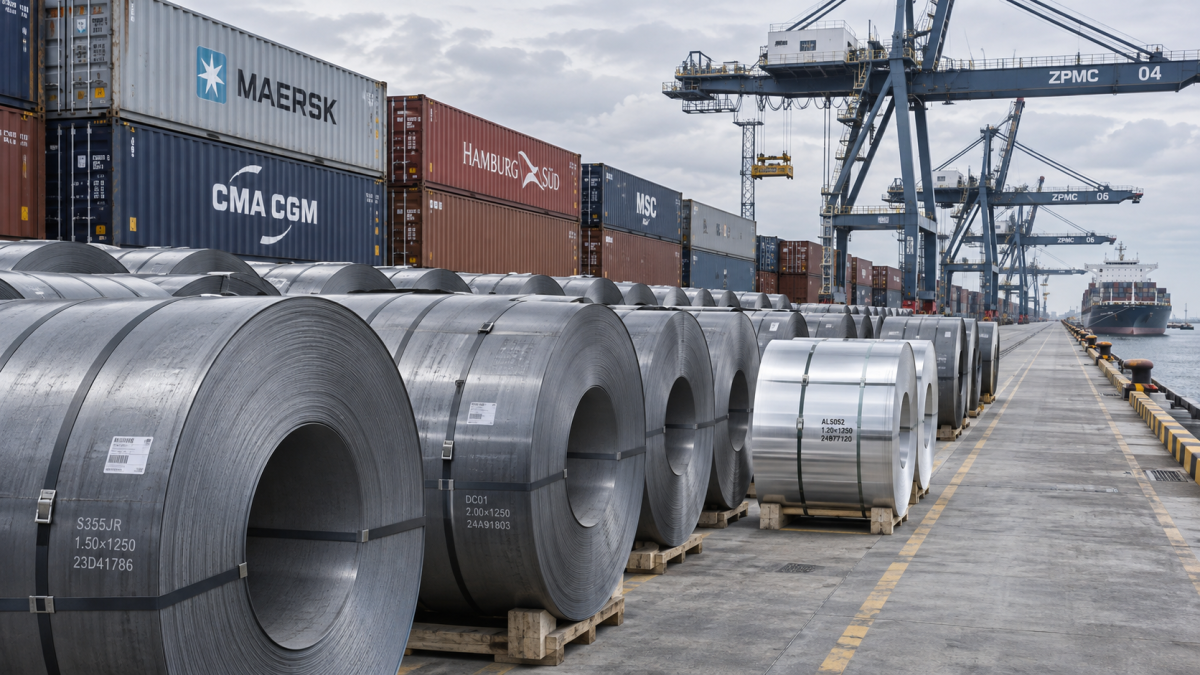
Domestic supply remains central to the exemption
The stated basis for the exemptions is the availability of domestic supply. That distinction matters for both buyers and Canadian producers: the measure is directed at products for which domestic supply is insufficient or unavailable, rather than at steel and aluminum products as a whole.
The Canadian Steel Producers Association said the impact on Canadian steelmakers would be limited because the exemptions target categories that cannot be supplied domestically. That assessment describes the association’s view of the measure’s intended scope; the eventual commercial effect will also depend on the products covered and how the exemptions are applied.
For a purchaser, the number of covered categories is useful context but does not establish eligibility for an individual order. The details of each product category and the applicable conditions will determine whether the extended relief is relevant to a particular purchase. Similarly, the extension date provides a planning horizon for covered products, but it does not by itself establish future prices, order volumes or delivery terms.
Effects beyond the metals transaction
The arrangement links access to selected metal products with the removal of Chinese tariffs on Canadian food products. Those are distinct effects: the Canadian exemptions concern certain Chinese steel and aluminum products, while China’s tariff removal concerns Canadian food exports, including pork and seafood. The reported C$400 million figure refers to the food products covered by the tariff removal, not to the value of the metal exemptions.
The stated goal of reducing dependence on trade with the United States gives the agreement a wider trade context. Its practical contribution to that goal will depend on how businesses use the covered exemptions and how trade develops over time. The announcement alone does not show how much sourcing will shift or how much exporters will gain from the food tariff changes.
For the metals sector, subsequent official information on the covered products and the application of the exemptions will be central to assessing their reach. Industry association information and company disclosures may also help show whether the measure’s effects remain concentrated in the supply gaps identified by Canadian policymakers.
NEWS NAVIGATION
CONTACT US