
NEWS
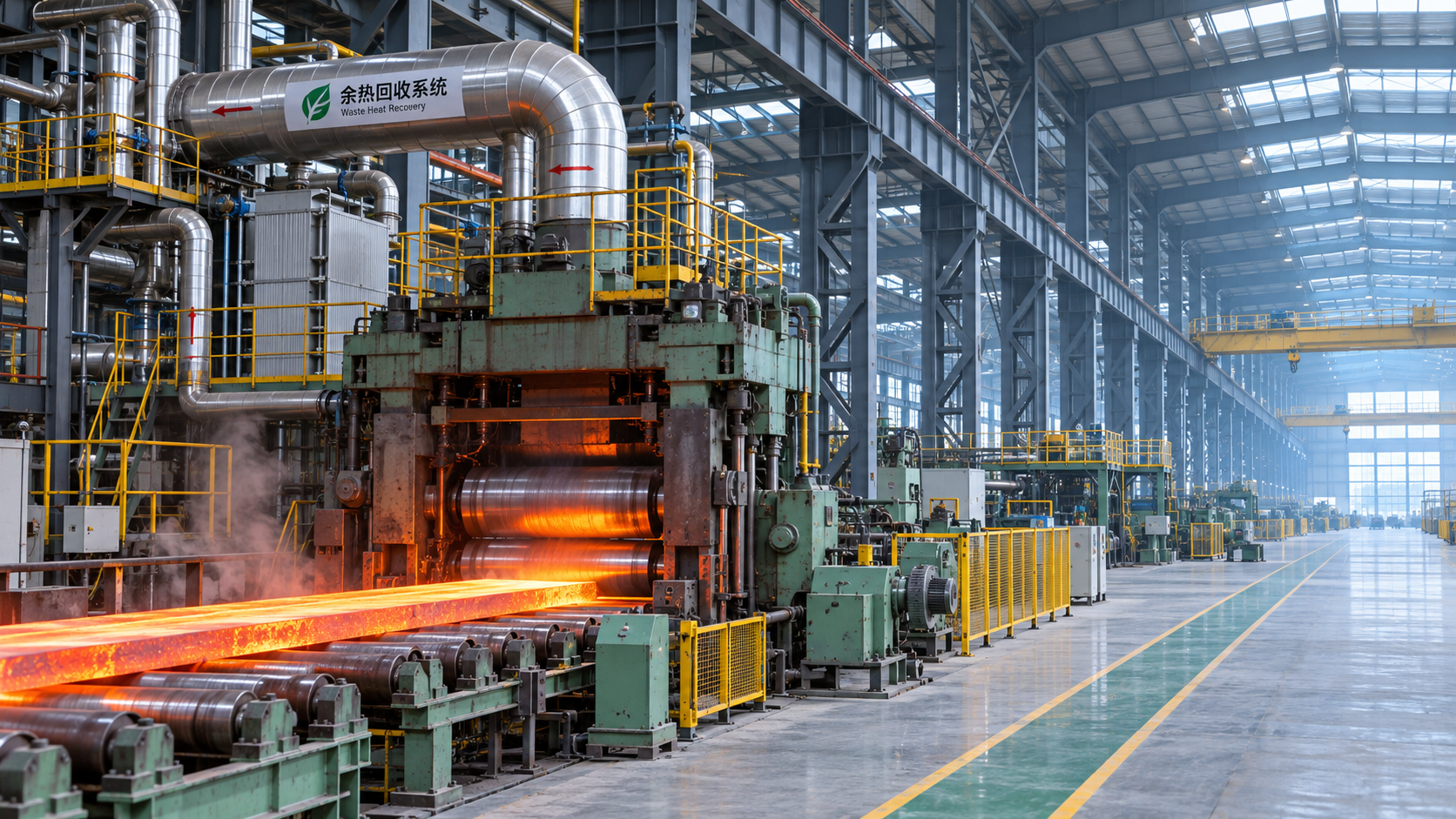
On November 13, 2026, the China Iron and Steel Association launched an energy and carbon efficiency initiative at a meeting of its energy conservation and environmental protection committee in Jinan. The initiative aims to move the industry from a focus on maximizing energy efficiency toward improving both energy efficiency and carbon performance.
It is one of the association's priorities for the 15th Five-Year Plan period and is intended to support a shift from controls on energy consumption toward controls on carbon emissions. Its central premise is that energy use and carbon emissions should be managed together, rather than treated as separate concerns.
During the preceding three-year energy efficiency campaign, the industry saved more than 24 million tonnes of standard coal and reduced carbon dioxide emissions by approximately 60 million tonnes. Those figures provide context for the new initiative, though they do not establish a target or forecast for its results.
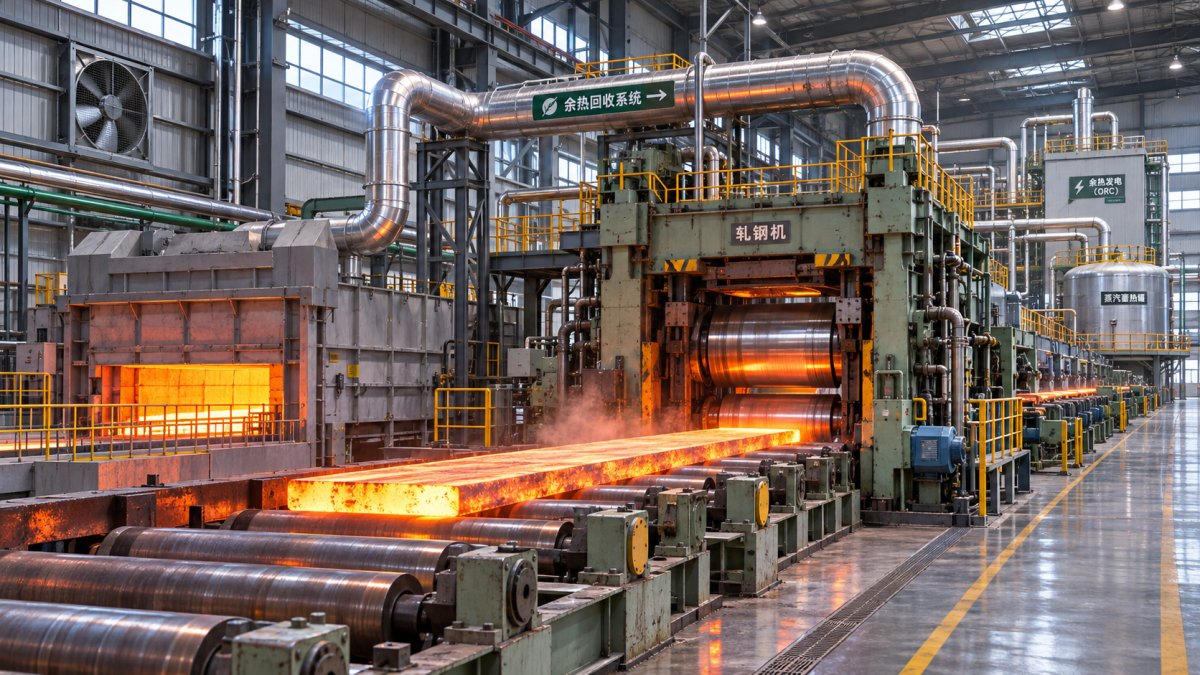
What changes when energy and carbon are considered together?
The distinction lies in how improvements are assessed. An energy efficiency measure is concerned with the amount of energy used, while carbon performance also depends on the emissions associated with that energy. Considering both can give operators a more complete view of the effect of a proposed change.
For steel producers, this could influence how projects are compared and how results are reported. A measure that reduces energy consumption may contribute to lower emissions, but the size of that contribution depends on the energy involved and the way its emissions are measured. The initiative's emphasis on integrated management makes that relationship a practical issue for production and environmental management teams.
The launch signals a change in the direction of industry work, but it does not by itself establish how individual producers will be assessed. The available announcement does not specify company-level requirements, performance benchmarks or a timetable for implementation.
What to watch as the initiative develops
The next useful details will be how energy and carbon performance are measured together, which activities the initiative will cover and how progress will be reported. Those choices will shape whether businesses can compare outcomes consistently and understand the contribution of individual efficiency measures.
The results of the earlier campaign demonstrate the scale of the reported savings under that effort. The new initiative's impact will depend on its eventual scope and implementation, as well as on how improvements in energy use translate into measurable changes in carbon emissions.
NEWS NAVIGATION
CONTACT US