
NEWS
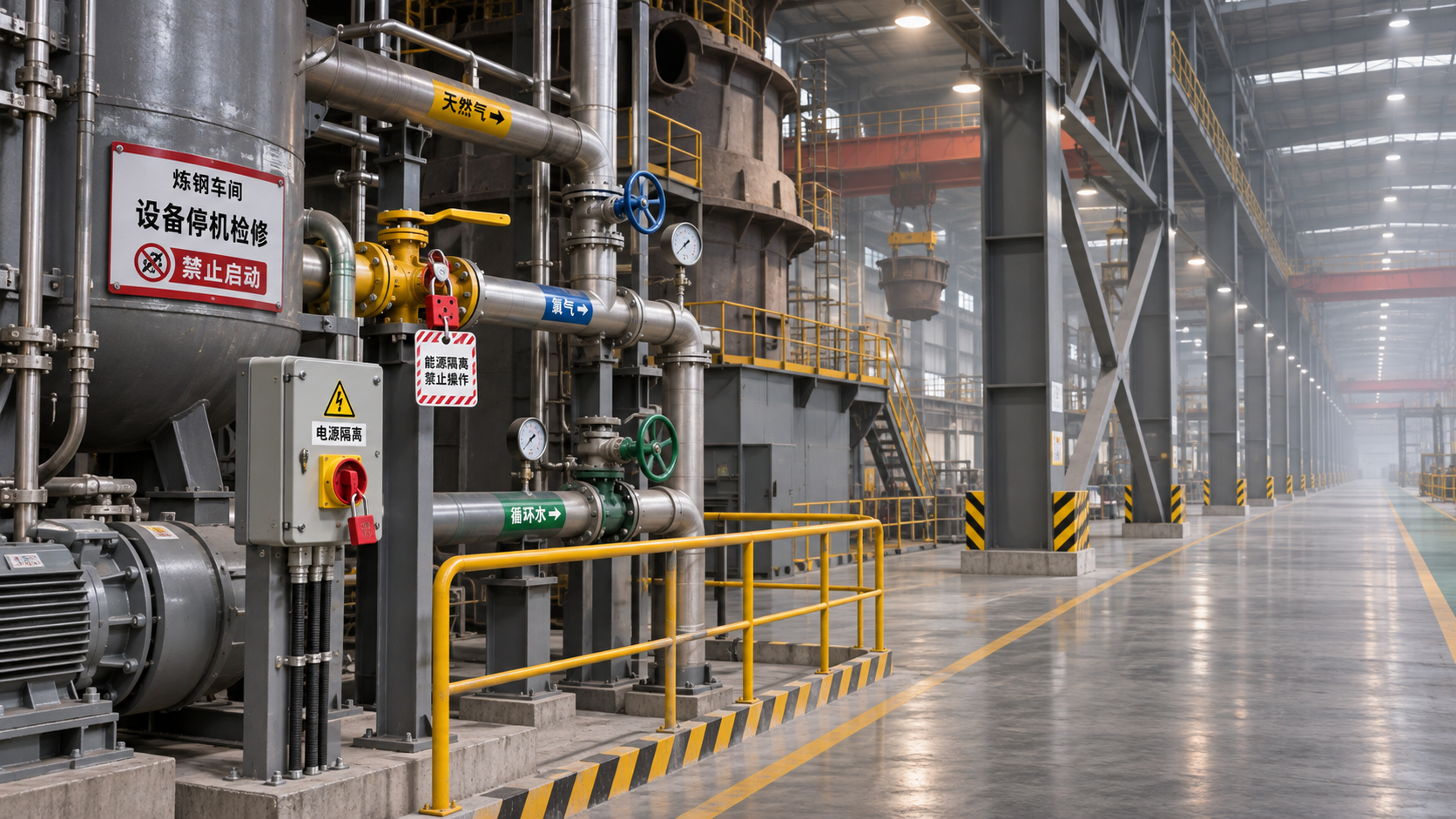
China’s Ministry of Emergency Management issued a notice on November 24, 2026, calling on steel companies to strengthen maintenance and repair safety after a deadly explosion at the Habaş steel plant in Turkey. The explosion occurred in the plant’s steelmaking workshop on November 9, killing 18 people and injuring 15.
The notice calls for steel enterprises across China to strengthen the management of maintenance and repair work, guard against operational risks and reinforce workplace safety oversight. Its focus places these activities at the center of the regulatory response to the accident.
Why maintenance and repair work are in focus
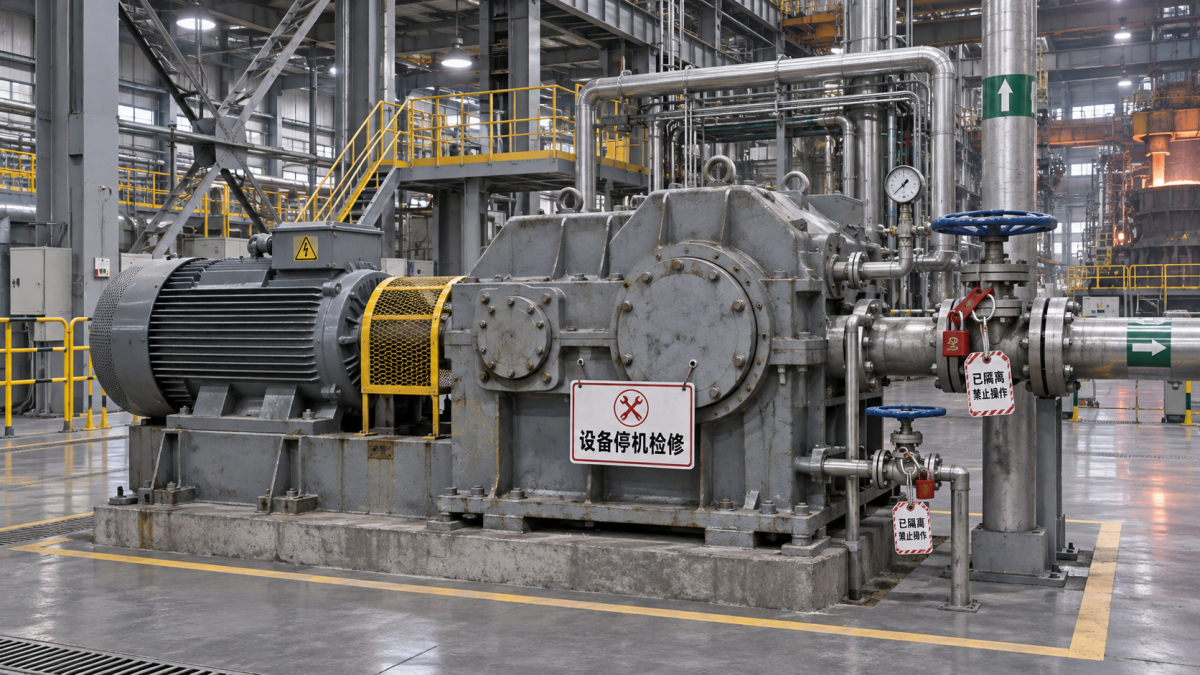
Maintenance and repair can involve work on equipment and in areas where normal production activities also take place. The notice’s emphasis suggests that companies should pay close attention to how such work is managed and how risks are controlled throughout the job.
For plant managers, the immediate issue is how maintenance and repair activities are planned and supervised. For the people carrying out the work, the notice highlights the importance of understanding the risks associated with a particular task and the controls in place before work proceeds. For safety supervisors, it raises the question of whether the arrangements for managing those risks are being put into practice.
The announcement does not establish what caused the explosion or identify a specific maintenance activity as its cause. Its stated response is broader: steel companies are being asked to draw lessons from the accident and strengthen their management of maintenance and repair safety.
What the notice could mean for steel operations
The most direct implications are likely to arise where maintenance and repair jobs are organized and reviewed. Depending on how the notice is implemented, companies may need to examine whether responsibilities are clear, whether risks are assessed for individual jobs and whether supervision is adequate while work is under way.
These are practical areas to watch because the notice addresses both enterprise safety management and regulatory oversight. Its effect will depend on the measures adopted by companies and on any further information about how the requirements are applied. The announcement alone does not establish that a particular inspection program, production restriction or new technical standard has been introduced.
The distinction matters for assessing operational consequences. A closer review of maintenance work could affect how individual jobs are scheduled or authorized, but the notice does not establish an industry-wide effect on steel output, prices or deliveries. Any broader effect would depend on subsequent implementation and the circumstances of individual facilities.
Further regulatory information may clarify how the safety requirements will be applied. For now, the clearest signal is the emphasis on controlling risks during steel plant maintenance and repair, alongside stronger safety oversight.
NEWS NAVIGATION
CONTACT US