
NEWS

From 2019 to 2025, imports of steel and steel contained in finished products into Latin America rose sharply, according to an OECD report, while local steel producers continued to lose market share. The report calls for coordinated action in response to the import shock, bringing trade policy and supply-chain planning into focus for producers, importers, manufacturers and buyers. The information provided does not identify a new measure or implementation date, so the immediate issue for businesses is how to assess a policy signal whose practical consequences remain to be determined.
Imports rose as local producers lost share
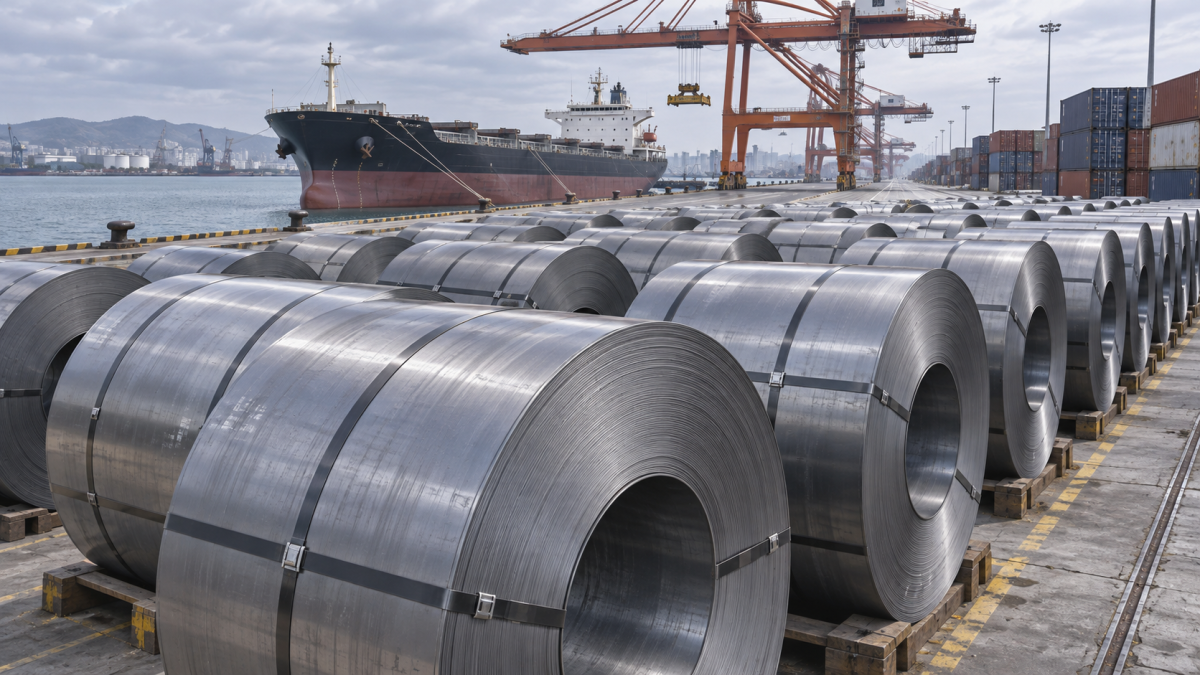
The OECD report says that combined imports of direct steel and steel contained in finished products into Latin America increased by 46.1% between 2019 and 2025, reaching 72 million tonnes. It links the continuing loss of market share by the region’s domestic steel industry to global excess capacity and the surge in imports.
The report calls for coordinated action to address the import shock. The supplied summary does not specify the measures proposed, the parties expected to take them or an implementation timetable.
Where the import shock may affect business decisions
Steel producers face uncertainty over the response
For local producers, the reported loss of market share is the clearest established consequence in the information supplied. Analysis suggests that the call for coordinated action may also influence how producers assess future sales and investment decisions, although the report summary does not establish what action will follow. A response focused on direct steel imports could have different commercial effects from one that also addresses steel contained in finished products.
Producers may therefore want to distinguish the products they sell from the finished goods that compete for the same customers. They can also monitor whether future proposals define product coverage, evidence requirements or transitional arrangements. Those are matters for verification, not conditions established by the report summary.
Importers and distributors may need clearer product records
Direct steel traders and distributors could face changes in commercial planning if authorities later consider measures in response to the report. Analysis suggests that product descriptions, sourcing records and delivery commitments may become more important when assessing whether a particular shipment falls within the scope of any future proposal.
The combined import figure also includes steel contained in finished products. Depending on any eventual policy design, businesses trading those goods might need to examine different information from firms importing steel directly. The input does not establish that additional documents, declarations or restrictions are currently required. Traders should treat documentation review as preparation for possible developments rather than as evidence of a new obligation.
Manufacturers and buyers must weigh supply options
Manufacturers purchasing steel, and buyers sourcing finished goods containing steel, may be affected if a later response changes the availability, terms or administrative treatment of competing supplies. The effect would depend on the products covered and the measures actually adopted. The reported import growth alone does not establish a change in prices, lead times or supplier performance.
From a procurement perspective, the distinction between direct steel and steel in finished goods matters because a buyer may encounter the issue at more than one purchasing stage. A manufacturer could assess both its steel inputs and the finished components it buys, while a downstream customer could review whether its purchasing documents identify material and product specifications clearly enough to compare alternatives.
Delivery and supply-chain services may need to adjust
Logistics providers and other supply-chain service businesses may need to revisit delivery planning if future trade measures introduce new checks or alter shipment requirements. That is a conditional risk, not an announced execution change. For now, businesses can examine where a shipment depends on information supplied by manufacturers, traders or buyers and how quickly that information could be checked if a rule were proposed.
Analysis suggests that contracts may also deserve attention: parties could review how they communicate potential changes in product coverage, documentation or delivery timing. Whether any contract adjustment is appropriate will depend on the parties’ existing terms and the details of a future measure.
Preparing for questions that policy may raise
Separate direct steel from steel in finished goods
The report’s combined figure is useful for understanding the scale of the issue described, but the supplied summary does not provide a breakdown between direct steel and finished products. Businesses should avoid assuming that both categories grew at the same rate or would receive the same treatment under a future response.
A practical review could map relevant purchases and sales by product category, identifying where steel is traded directly and where it forms part of a finished good. This would help teams determine which transactions warrant closer monitoring if a proposal specifies product coverage. It would also make it easier to identify gaps in available product descriptions without assuming that a particular reporting method will be adopted.
Follow the wording of any proposed action
The call for coordination is a policy signal; the input does not describe a binding rule. Businesses should look for subsequent official statements that explain who would act, which transactions would be covered, when any measure might apply and whether implementation details have been settled. They should distinguish a proposal or consultation from an adopted requirement.
Particular attention may be needed where a measure treats direct steel and steel-containing finished goods differently. Until a text or official explanation is available, companies cannot reliably determine its scope, obligations or effect on a specific transaction. Internal planning can identify exposure, but it should not label a shipment compliant or noncompliant with an unspecified future rule.
Check the documents behind sourcing decisions
Procurement and trade teams could review whether existing purchase records, supplier information and product descriptions support a clear account of what is being bought and supplied. Where technical documents, test reports or certificates are relevant to an existing transaction, checking their availability and consistency may help buyers evaluate alternatives and answer future questions. The report summary does not announce a new certification or testing requirement.
Businesses considering substitute materials or products may also need to verify that an alternative meets the applicable specifications and contractual terms before changing a purchase. Such verification is a commercial precaution linked to potential supply adjustments; it is not presented here as a new rule arising from the OECD report.
Review commitments without assuming disruption
Buyers and suppliers can assess the sensitivity of purchasing plans to a possible change in trade conditions. That may include reviewing supplier qualification, order timing and the information needed to compare available sources. If a proposal emerges, teams can then assess its actual scope against open orders and planned deliveries.
There is no basis in the supplied information to conclude that delivery delays have occurred or that a particular sourcing arrangement must change. The value of preparation lies in making a considered response possible once details are known, while avoiding decisions based solely on the headline import figure.
A coordination call, with implementation still open
At this stage, the report is more appropriately understood as a call for coordinated action and a signal for policy attention than as evidence that a new trade rule has taken effect. Its significance lies in connecting global excess capacity and rising imports with the reported loss of market share by Latin American steel producers. The supplied summary does not resolve how a response would balance those concerns across direct steel and finished goods.
Several questions remain open for observation: whether a specific measure is proposed, how its product scope is defined, what evidence businesses might need to provide and how market participants respond. Any assessment of compliance costs or delivery consequences would depend on those details. Industry feedback may help clarify practical concerns, but it should not be treated as proof of an adopted requirement.
How to use the report in current planning
The reported increase to 72 million tonnes and the continuing loss of local market share provide a reason for steel and manufacturing businesses to review their exposure to the import issue. The appropriate present response is measured monitoring and preparation: distinguish the transactions involved, check the information available to support decisions and reassess plans when verified policy details emerge.
For buyers and suppliers alike, the eventual commercial effect remains uncertain. The report identifies pressure on the regional industry and calls for coordination; the information provided does not establish the form, timing or outcome of any response.
Basis for this article and points to verify
This article is based on the user-provided news title, event period and summary. No specific official source link was provided in the input, so the underlying report and any subsequent developments require continued verification. Relevant sources to consult may include official announcements, information from trade authorities, industry association publications and authoritative media reports.
Further monitoring should cover any policy details, the scope and execution of trade measures, relevant changes to purchasing or tender documents, and feedback from businesses across the supply chain. Any certification or documentation implications should be assessed against verified requirements if and when they are issued.
NEWS NAVIGATION
CONTACT US