
NEWS

Japan's steel exports fell in October 2026 as weak Asian demand and increased exports from China weighed on the market, according to a report cited by BigMint. The reported decline and a forecast of the lowest annual export volume since 1999 deserve attention from steel exporters, traders, buyers and manufacturers reviewing orders and delivery plans. The information supplied does not identify a new trade rule or regulatory measure; its immediate relevance lies in how changing market conditions may affect commercial decisions and the scrutiny of existing transaction requirements.
October shipments and the annual forecast
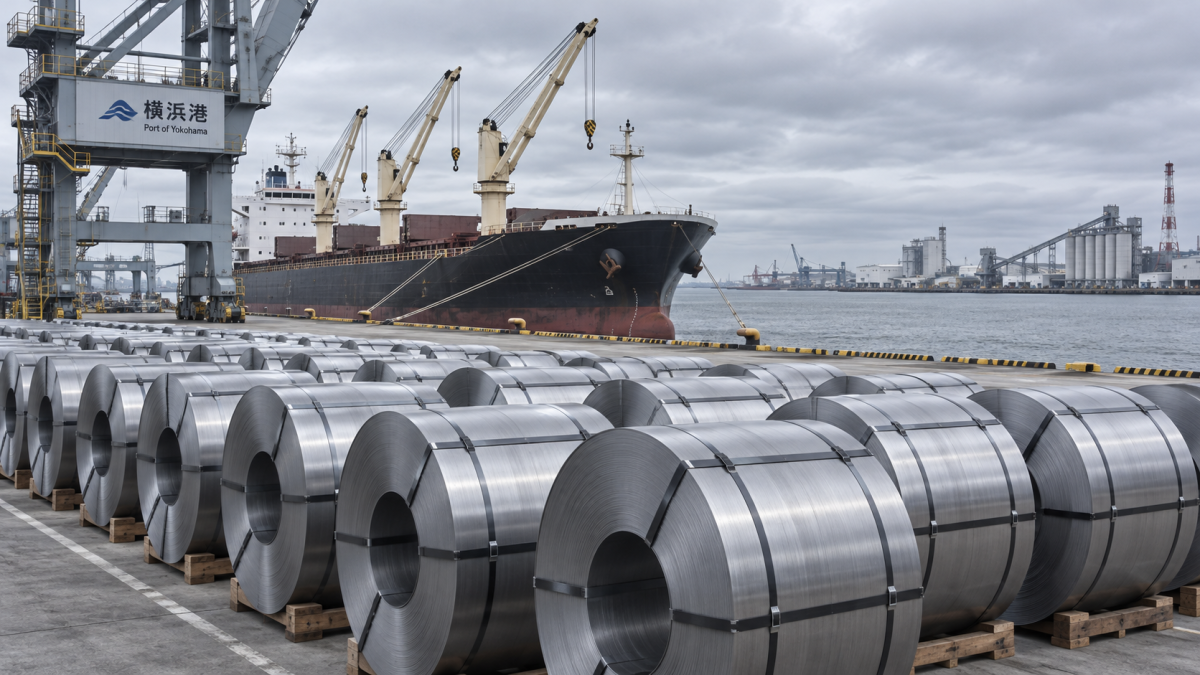
BigMint, citing the Japan Metal Daily, reported that Japan's steel exports in October 2026 fell 16.1% year on year to 2.11 million tonnes. The report attributed the decline to weak demand in Asia and increased exports from China.
Japan's steel exports for the whole of 2026 are expected to fall below 29 million tonnes, which would be the lowest annual total since 1999. This annual figure is a forecast, while the October volume and year-on-year decline are reported figures.
Where weaker exports may affect transactions
Exporters and traders may need a closer view of demand
Analysis suggests that a lower aggregate export volume could make it more important for exporters and trading companies to distinguish between a broad market signal and demand for the products they actually sell. The supplied report does not identify the steel grades, customers or destinations behind the decline. A company's order position could therefore differ substantially from the headline figure.
For individual transactions, businesses may wish to review the relationship between customer inquiries, confirmed orders and planned shipments. Where demand is uncertain, contract discussions could place greater emphasis on order quantities, delivery windows and the treatment of changes. These are commercial considerations, not newly announced obligations. The report does not establish that any contract terms, documentation rules or trade procedures have changed.
Buyers and manufacturers face product-specific questions
For steel buyers and manufacturers, the reported decline may be a reason to reassess sourcing assumptions. Increased exports from China could affect the range of offers considered by some buyers, but the supplied information does not establish that any particular product is interchangeable, available on a given schedule or offered at a particular price.
A buyer considering a different source may need to compare the material specifications, inspection documents and delivery commitments relevant to its order. Analysis suggests that a lower overall export volume alone does not demonstrate a shortage of Japanese steel or a change in the quality of material available. Procurement decisions remain dependent on the product and contract in question.
Distributors and delivery partners may need to revisit plans
Distributors and supply-chain service providers could be affected if customers revise shipment volumes or timing in response to demand. A smaller or less predictable flow of orders may change how individual businesses plan inventory and delivery capacity. The report, however, provides no evidence of a specific disruption, delay or change in logistics requirements.
From an operational perspective, the useful question is whether a customer's forecast has become a confirmed order and whether the agreed delivery schedule still matches the buyer's needs. Businesses handling trade documents may also wish to verify that the documents specified for each shipment remain available and consistent with the contract. That check is a practical precaution, not evidence of a new documentation rule.
What to check before adjusting a steel order
Separate the annual forecast from the purchase decision
The forecast of fewer than 29 million tonnes covers total Japanese steel exports for the year. It does not describe the availability of a particular grade, the position of a particular supplier or the outcome of an individual negotiation. Buyers and sellers may find it useful to compare the forecast with their own order data and current quotations before changing a purchasing schedule.
Any revised plan could distinguish confirmed quantities from tentative requirements and identify the decisions that depend on further information. This approach helps keep a market-wide estimate in proportion: it is a signal to review assumptions, not a substitute for checking the terms and availability of a specific order.
Confirm specifications before considering an alternative
If buyers evaluate material from another source, they may wish to compare the proposed product against the applicable purchasing specification and intended use. Relevant checks could include the documentation requested in the contract, any agreed testing and the identity of the supplier responsible for the material. If a customer or project requires approval of a substitute, the buyer could confirm that process before committing to a change.
The supplied report does not identify a change to a steel standard, certification scheme or approval procedure. Any review of these matters should therefore be tied to the requirements that actually apply to the transaction. A possible commercial alternative should not be assumed to meet a customer's technical requirements without verification.
Review delivery terms and supporting records
Where an order is being negotiated or revised, analysis suggests that both sides may benefit from checking the agreed quantity, delivery window and process for communicating changes. Buyers can ask suppliers to clarify which commitments are confirmed and which remain estimates. Sellers can review whether the proposed schedule is consistent with the order details available to them.
Parties may also wish to retain the documents needed to connect the delivered material with the relevant order and agreed specification. The appropriate records depend on the transaction; the input does not specify a new document, reporting deadline or enforcement practice. The aim is to make any sourcing or delivery decision reviewable if questions arise later.
Watch for verified trade and purchasing changes
Companies exposed to the affected trade flows may wish to monitor whether customers change tender language, supplier qualification criteria or documentation requests. They can also check relevant official trade information when assessing a transaction. These are areas for verification, not changes established by the October report.
If a later announcement or customer instruction identifies a new requirement, businesses would need to assess its scope, effective date and application to their products before altering their procedures. Until such information is available, it would be premature to describe the decline in exports as the implementation of a tariff, certification rule or other formal measure.
A demand signal, with no rule change identified
From an industry perspective, the reported October decline is best understood as a market signal linked in the supplied account to weak Asian demand and increased Chinese exports. It may prompt closer examination of sourcing and delivery arrangements, but the information provided does not identify a policy decision or a change in trade rules that caused the decline.
The distinction matters because a market response and a regulatory response call for different evidence. A change in an order forecast may justify a commercial review; a claimed compliance change would require a verifiable rule, official statement or applicable customer requirement. The report supplies the former type of signal, but no details establishing the latter.
What deserves further observation is whether subsequent information confirms the annual forecast and clarifies which products or transactions were most affected. Further evidence about actual orders, delivery performance and market feedback could help businesses assess whether their own exposure differs from the aggregate picture. No outcome for individual companies can be inferred from the headline alone.
Keeping the export decline in proportion
The reported fall to 2.11 million tonnes in October and the forecast for the full year give steel market participants a reason to revisit assumptions about demand and competition. The October figure is a reported result; the annual total remains an expectation. Neither establishes a new regulatory requirement or proves that every product and buyer faces the same conditions.
For now, the measured response is to examine relevant orders, verify product and delivery requirements, and continue monitoring reliable updates. Businesses can prepare for possible changes in commercial conditions while treating any proposed rule or certification change as unconfirmed until its terms are available for review.
Basis for the report and further verification
This article is based on the user-provided news title, event date and summary. The summary attributes the October export figures and annual forecast to BigMint, citing the Japan Metal Daily. No specific official source link was provided in the input, so the figures, forecast and any subsequent revisions require continued verification.
Relevant material for further checking may include official trade releases, industry association information and authoritative media reports. Businesses should also watch for any verified changes in trade execution, customer tender documents, certification practices and industry feedback. None of those changes is established by the information supplied for this article.
NEWS NAVIGATION
CONTACT US