
NEWS

On November 7, 2026, five steel mills lowered their scrap purchase prices by 10–30 yuan per tonne, according to monitoring by Mysteel. The adjustments are relevant to scrap suppliers and steelmakers reviewing procurement and delivery terms. They are commercial price changes; the information provided does not identify a new policy, regulation or industry-wide rule.
Five price cuts and one increase
Mysteel reported that the domestic scrap market was generally weaker on November 7. By the time of its report, five steel mills had reduced their scrap purchase prices by 10–30 yuan per tonne. Anshan Baode Section Steel in Liaoning was the only mill reported to have raised its price, increasing it by 20 yuan per tonne.
The event summary associates the reductions with pressure on steelmakers’ profit margins, a stronger desire to lower raw material costs and the transmission of weak end-market demand upstream.
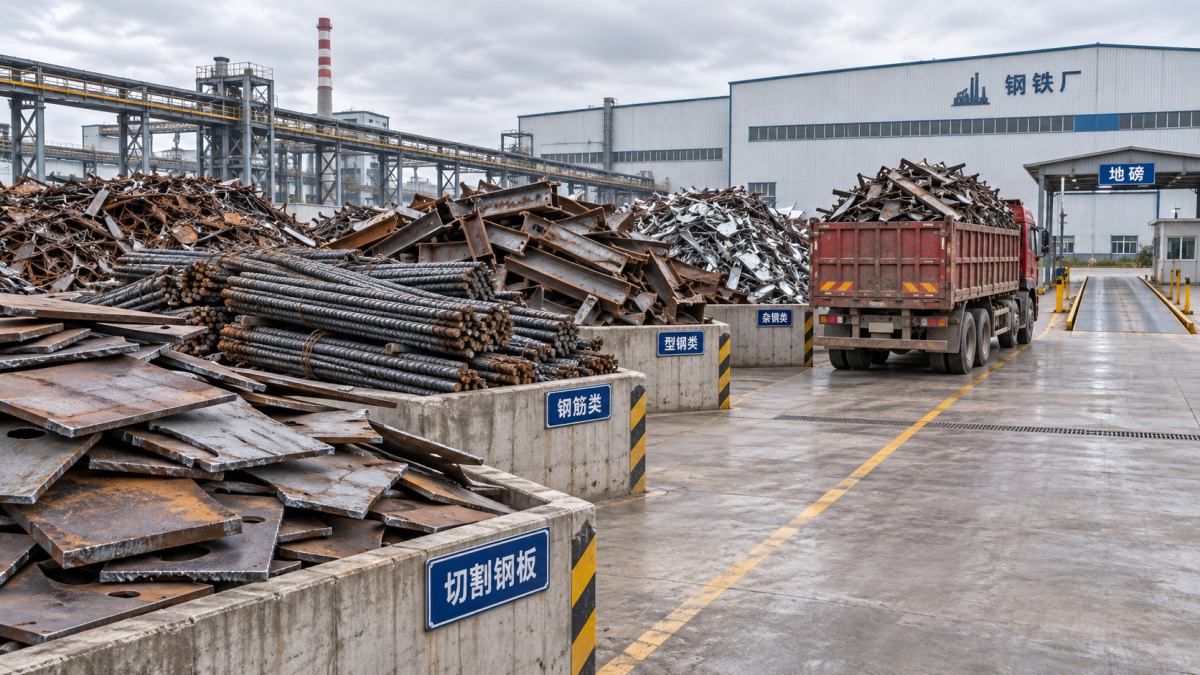
How price changes may reach the scrap supply chain
Steelmakers reassessing raw material purchases
From an industry perspective, lower posted purchase prices may help affected mills manage raw material costs while margins are under pressure. Procurement teams may need to assess how a price adjustment applies to planned purchases and deliveries under their existing commercial terms. The information provided does not establish a common pricing method or an industry-wide requirement.
Scrap suppliers and traders reviewing quotations
Analysis suggests that suppliers selling to mills that have cut prices may face lower returns on affected transactions. Traders may need to review quotations and confirm which price applies to material awaiting delivery. The reported increase at one mill also suggests that suppliers should check prices by buyer rather than assume every mill has made the same adjustment.
Delivery arrangements under closer review
Price changes may affect discussions between buyers and suppliers about the timing of shipments and settlement. Businesses could review their existing agreements to determine how a revised purchase price relates to an order already placed or material in transit. Any outcome will depend on the terms agreed by the parties; the event summary does not specify those terms.
Practical checks for purchases and deliveries
Confirm the applicable buyer price
Suppliers and procurement teams may wish to verify the latest price directly with each relevant mill before agreeing to a transaction. The reported reductions vary in size, while one mill increased its price, so a single market-wide figure may not reflect an individual purchase.
Review orders already in progress
Businesses could check order confirmations and purchase agreements for the price, delivery and settlement terms that apply to pending material. Where terms are unclear, confirming them with the counterparty may help reduce uncertainty over the amount payable.
Reassess purchase and shipment plans
For planned transactions, procurement teams and suppliers may consider how further price changes could affect purchasing and delivery decisions. The information provided does not establish whether prices will continue to fall or how individual mills will adjust future purchases.
A commercial signal that needs further observation
At this stage, it is more appropriate to understand the reported changes as individual mill pricing decisions and a market signal, not as the implementation of a new regulatory rule. Analysis of the event summary points to margin pressure and weak end-market demand as factors behind the reported reductions, but the available information does not establish how broadly or for how long those pressures will affect purchasing decisions.
Further mill price announcements, supplier responses and delivery arrangements may help businesses assess whether the reported pattern persists. Changes in market prices alone should not be treated as evidence of new certification, trade or compliance requirements.
What the November adjustments mean for decisions now
The reported cuts give scrap suppliers and steelmakers a reason to check buyer-specific prices and existing transaction terms. The simultaneous increase at one mill limits any assumption of uniform pricing. A measured response is to verify the terms of each affected purchase and continue monitoring market feedback before drawing broader conclusions.
Basis for this report and further verification
This article is based on the supplied news title, event date and event summary, which attribute the price monitoring to Mysteel. No specific official source link was provided in the input, and the information should continue to be verified. Subsequent mill announcements, relevant industry reporting and feedback from buyers and suppliers may help clarify later pricing and execution.
NEWS NAVIGATION
CONTACT US