
NEWS

China’s rebar supply and apparent consumption both rose during the week of November 23–27, 2026, while the decline in inventories slowed, according to Mysteel’s weekly report. The national average rebar price held steady at 3,273 yuan per tonne. Mysteel expects prices to trade within a narrow range in the following week.
Weekly rebar output stood at 1.8904 million tonnes, while apparent consumption reached 1.9116 million tonnes. Inventories were 4.5825 million tonnes. Although total stocks continued to fall, inventories at steel mills accumulated for another week, adding a detail to the supply-demand picture.
Environmental protection-related furnace stoppages in Hebei and a lower operating rate at electric arc furnaces could reduce rebar production in the following week, according to the report. Whether that translates into faster inventory reduction will also depend on consumption.
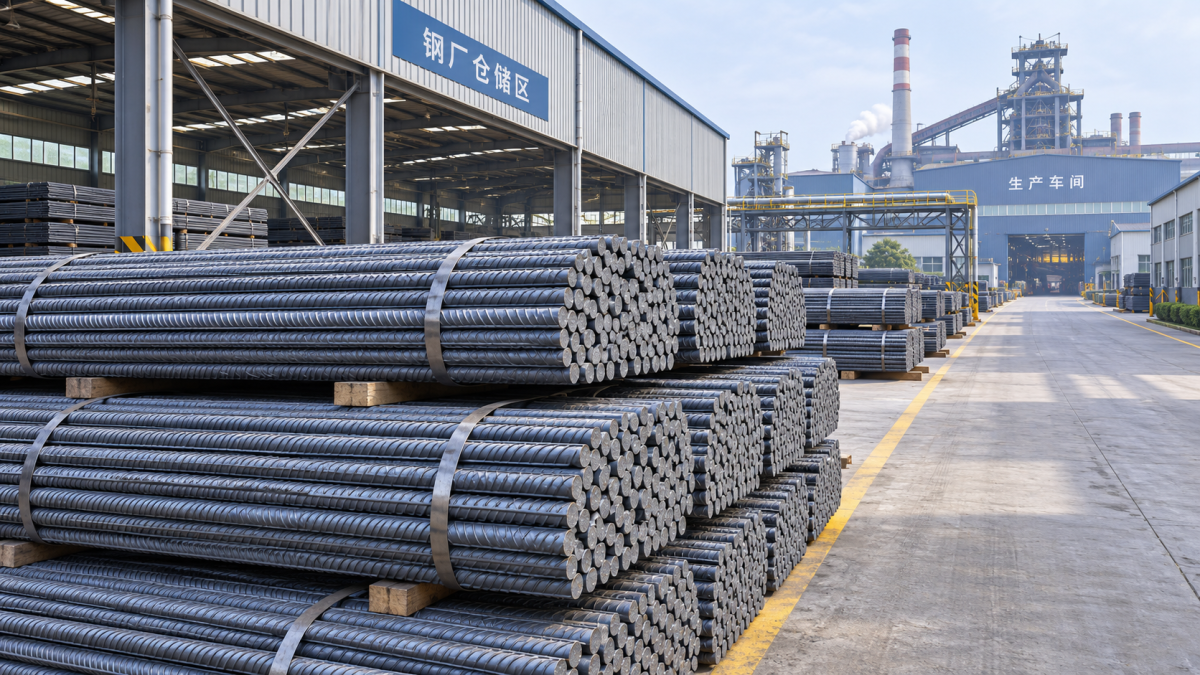
Consumption remained above output
Apparent consumption exceeded production by 21,200 tonnes during the week. That difference is consistent with an overall reduction in inventories: more rebar was apparently consumed than was produced over the period. The report nevertheless describes the drawdown as slower, indicating that stocks were declining less quickly even as both output and consumption increased.
The distinction matters because a rise in consumption alone does not establish that the market is tightening at a faster pace. The relationship between consumption and output is also relevant. If production grows alongside consumption, the amount available to draw down from inventory can remain modest.
Apparent consumption is a market measure rather than a direct count of rebar used at construction sites. Its relationship with production and inventory provides a useful view of the weekly balance, but it should not be read as a detailed account of orders or end-user activity.
Mill inventories add another dimension
The continued accumulation of mill inventories shows that the overall stock decline was not shared equally across all inventory locations. Rebar held at mills increased even as total inventories fell. The figures do not establish why mill stocks rose or how individual mills were affected, but the divergence is relevant to the near-term supply picture.
For producers, the relationship between output and material held at mills is an indicator to watch alongside the national total. For buyers and traders, the key question is whether a change in production alters the amount of rebar available to the market. The reported stock figures alone do not establish a change in delivery times or purchasing conditions.
The unchanged national average price also calls for a measured reading of the week’s balance. Consumption was above output and total inventories declined, yet the average price was flat week on week. The figures therefore support a description of stable average pricing during the period, rather than a conclusion that the stock drawdown had already produced a price rise.
Lower output is a forecast, not yet the weekly result
Mysteel’s expectation of lower production rests on two reported supply-side factors: furnace stoppages linked to environmental protection measures in Hebei and a decline in the operating rate of electric arc furnaces. The expected production decrease applies to the following week; the reported week itself saw supply increase.
If output falls while apparent consumption holds up, the gap between consumption and production could widen, allowing inventories to decline more quickly. If consumption also weakens, a reduction in output may have less effect on the pace of stock drawdown. The direction of mill inventories could differ from the national total, so both measures remain relevant when assessing the next report.
Mysteel’s narrow-range price outlook reflects an expectation for the following week, rather than a guarantee of stable prices. The next readings on output, apparent consumption and inventories will show whether the anticipated supply reduction materializes and whether it changes the balance that left the national average price unchanged in the reported week.
NEWS NAVIGATION
CONTACT US